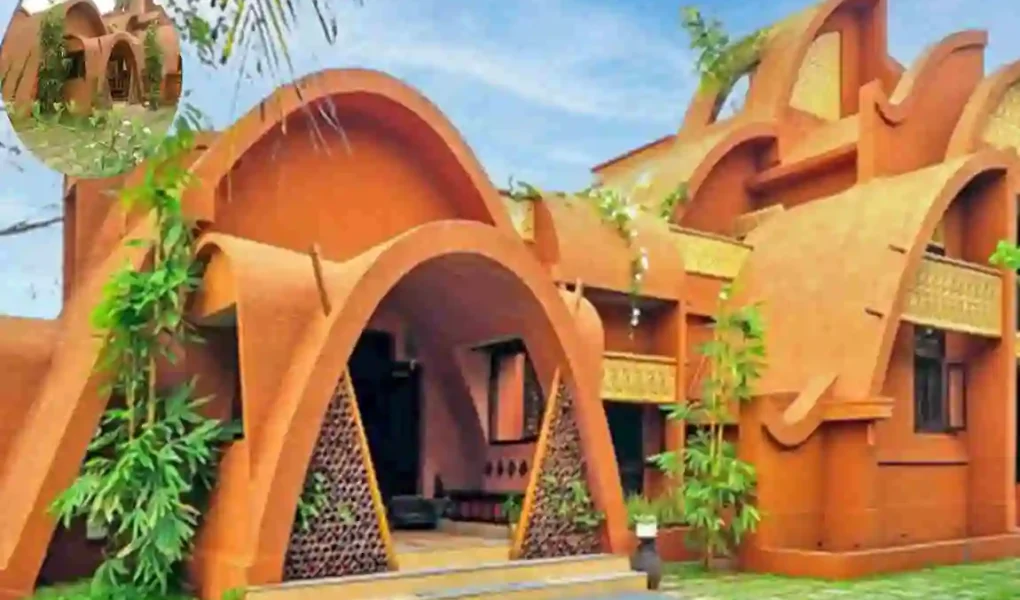
Have you ever thought about living in a home that comes straight from nature itself? Imagine a house built with soil, water, straw, and other simple natural materials rather than cement and steel. Sounds unusual. But this is exactly what a mud house is.
Now, let’s answer the main question clearly—what is a mud house? A mud house is one of the oldest and simplest forms of shelter, built using natural earth materials. Humans have used these homes for thousands of years and are still found in many rural and eco-friendly communities today.
Interestingly, mud houses are not disappearing. In fact, they are making a strong comeback. Why? People are now more aware of eco-friendly living, rising construction costs, and climate change. Mud houses offer a natural, affordable, sustainable, and surprisingly comfortable solution.
What Is a Mud House? Definition & Meaning
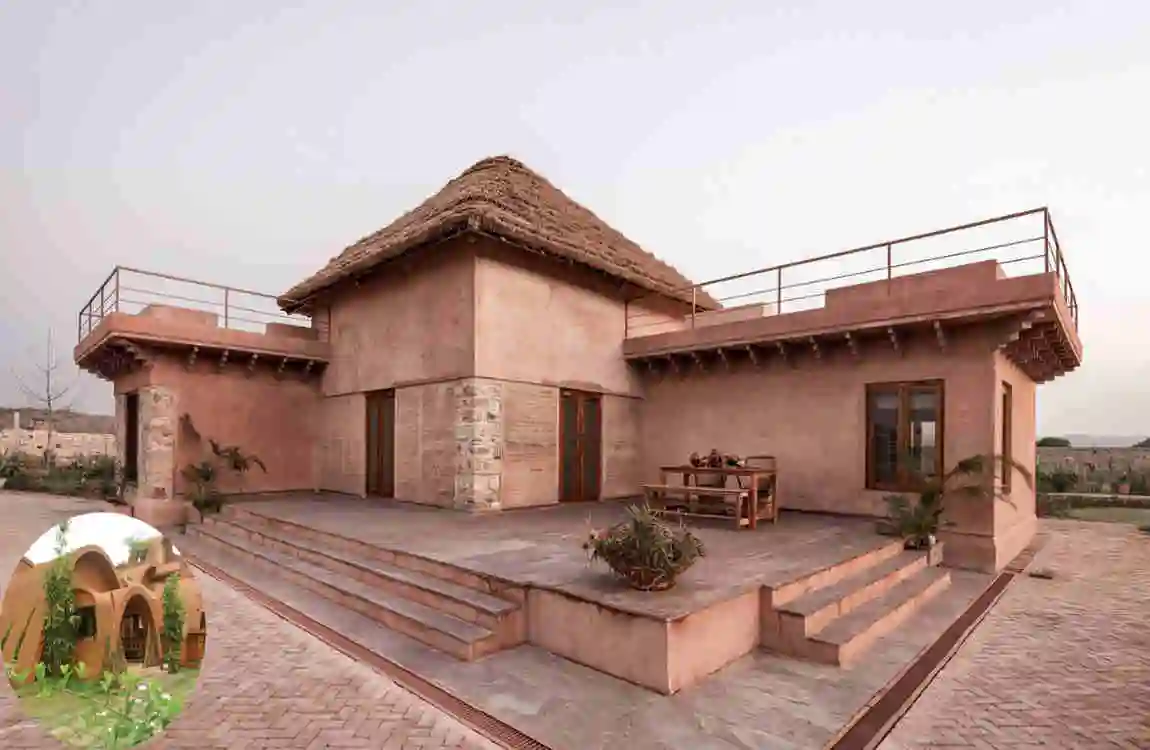
To understand the concept properly, let’s break it down.
A mud house is a type of home built mainly from natural earth materials such as mud, clay, straw, and plant fibers. These materials are mixed and shaped into walls, floors, and, in some cases, roofs.
Simple Definition
In simple terms, a mud house is a natural home made with soil and organic materials rather than modern construction materials like cement or bricks.
These houses are designed to blend with the environment. They do not harm the environment and are easy to build with local materials.
If you are wondering what a mud house is, think of it as a home made from the same ground you walk on every day.
Core Construction Materials
Mud houses are built with simple, locally available materials. Let’s look at the main ones:
- Mud (soil): The primary building material that forms walls
- Water: Used to mix and shape the mud
- Straw or grass: Helps to bind and strengthen the structure
- Cow dung: Traditionally used to increase durability and reduce cracks
- Wood or stones: Provide structural support and framing
These materials are natural, affordable, and readily available in rural areas.
Traditional vs Modern Mud Houses
Mud houses today are very different from the old rural huts you might imagine.
Traditional mud houses:
- Simple huts with mud walls and thatched roofs
- Mostly found in villages
- Built manually without advanced tools
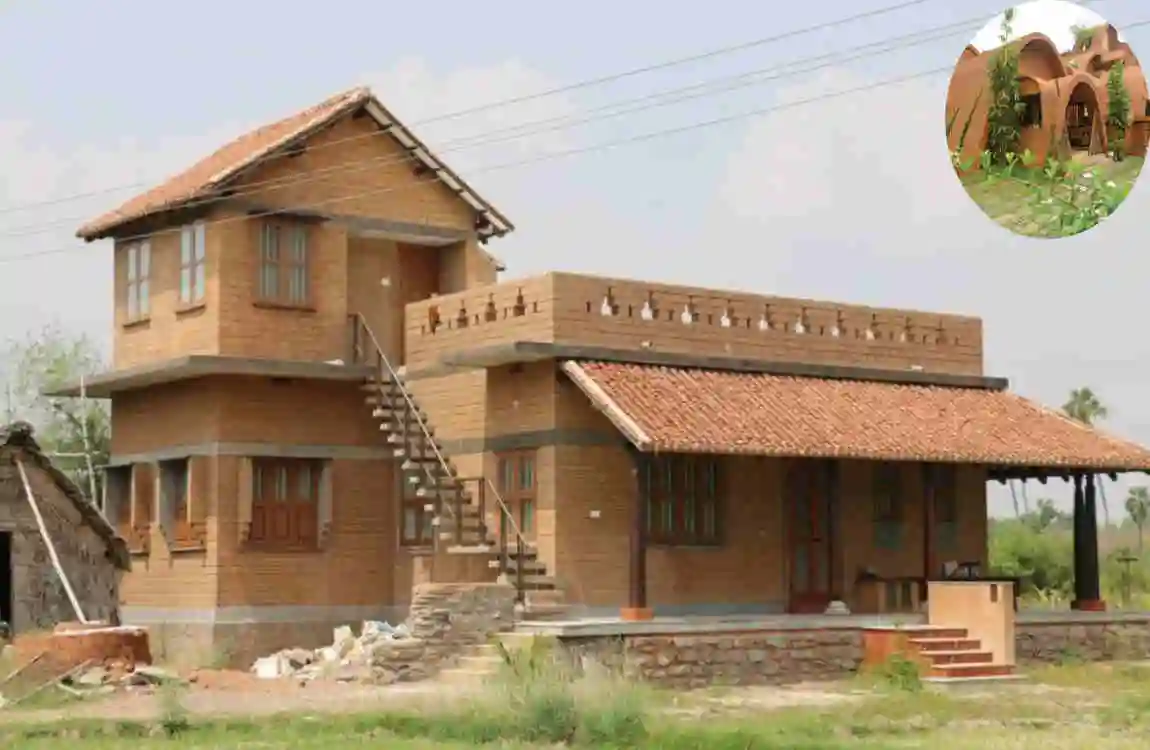
Modern mud houses:
- Designed by architects
- Stronger and more durable
- Combined with modern materials like glass, steel, and waterproof coatings
- Used in eco-resorts and sustainable housing projects
So, mud houses are no longer just basic shelters—they are now part of modern sustainable architecture.
History of Mud Houses
Mud houses have a long and rich history. They are not new at all—in fact, they are one of the earliest forms of human shelter.
Ancient Origins
Early humans built shelters using whatever was available in nature. Mud became the most common choice because:
- It was easy to shape
- It provided insulation
- It was available everywhere
These early structures eventually evolved into proper mud houses used by farming communities.
Global Use
Mud houses are found across many regions of the world:
- Asia: Pakistan, India, and China
- Africa: Desert and rural communities
- Middle East: Traditional village homes
- South America: Indigenous housing styles
Each region developed its own unique style, shaped by climate and culture.
Evolution Over Time
Mud houses have changed a lot over time:
- Simple mud huts → improved adobe bricks
- Handmade walls → engineered rammed earth structures
- Natural roofs → hybrid modern roofing systems
Today, architects are reusing mud in creative ways to build sustainable homes.
How Is a Mud House Built? Step-by-Step Process
Building a mud house is both simple and creative. Let’s go step by step.
Site Selection
The first step is choosing the right location.
- Dry and stable land is best
- Slightly elevated areas are preferred
- Flood-prone areas should be avoided
A good location ensures the house lasts longer.
Foundation Preparation
A strong foundation is very important.
- Stones are often used for the base
- In some cases, compacted soil is used
- This helps protect the structure from moisture
Wall Construction Techniques
There are several ways to build mud walls:
Adobe bricks:
Sun-dried bricks made from mud and straw
Cob building:
Mud is shaped by hand into thick walls
Rammed earth method:
Layers of soil are compressed tightly to form strong walls
Each method gives a different strength and appearance.
Roof Construction
The roof protects the house from weather conditions.
- Traditional: Thatch or wood
- Modern: Metal sheets or reinforced roofing
A sloped roof is often used to drain rainwater easily.
Finishing
Finally, the house is finished with:
- Mud plaster for smooth walls
- Natural coatings for water resistance
- Decorative elements for beauty
This step improves both strength and appearance.
Types of Mud Houses
Mud houses come in different styles depending on the building method.
Adobe Mud Houses
- Made from sun-dried mud bricks
- Common in dry regions
- Easy to build and repair
Cob Houses
- Built by shaping wet mud by hand
- Very thick and strong walls
- Good insulation
Rammed Earth Houses
- Soil is compressed layer by layer
- Very durable and long-lasting
- Often used in modern eco-buildings
Wattle and Daub Houses
- Wooden frame structure filled with mud
- Flexible and lightweight design
- Common in traditional villages
Benefits of Mud Houses
Mud houses offer many advantages that make them special.
Eco-Friendly Living
Mud houses are fully natural. They:
- Do not pollute the environment
- Reduce carbon emissions
- Use renewable materials
Cost-Effective Construction
If you are looking for affordable housing, mud houses are a great option:
- Low material cost
- Local resources reduce expenses
- Less machinery required
Energy Efficiency
Mud naturally regulates temperature:
- Cool in summer
- Warm in winter
- This reduces the need for air conditioning or heaters.
Health Benefits
Mud houses also support healthier living:
- No toxic chemicals
- Better air circulation
- Less indoor pollution
Sustainability
Mud houses support long-term environmental balance:
- Materials return safely to nature
- Easy to rebuild or repair
- No industrial waste
Limitations of Mud Houses
While mud houses are amazing, they also have some limitations.
Water Sensitivity
Heavy rain can damage mud walls if they are not properly protected.
Maintenance Requirement
Regular care is needed:
- Wall plastering
- Crack repairs
Structural Limitations
They are not suitable for:
- High-rise buildings
- Heavy industrial structures
Pest and Weather Issues
Without treatment, mud houses may face:
- Insects
- Moisture damage
Modern Uses of Mud Houses
Mud houses are no longer just rural shelters—they are now part of modern design.
Eco-Resorts and Tourism
Many resorts use mud houses to:
- Create natural environments
- Attract eco-tourists
- Offer peaceful stays
Rural Housing Projects
Governments and organizations promote mud houses for:
- Low-income housing
- Affordable rural development
Modern Architecture Trends
Today’s architects mix:
- Mud + glass
- Mud + steel
- Mud + modern designs
This creates beautiful, eco-friendly homes.
Disaster-Resistant Innovations
Modern mud houses are improved with:
- Reinforced walls
- Better foundations
- Water-resistant coatings
Mud House vs Modern Concrete House
FeatureMud HouseConcrete House
Cost Low High
Environmental Impact: Eco-friendly, High Carbon Footprint
Durability Moderate (with care) Very high
Temperature Control, Natural insulation, Needs AC/heating
Maintenance Regular Low
Construction Time Fast, Medium, or Long
Are Mud Houses Still Relevant Today?
Yes, absolutely. Mud houses are becoming more relevant than ever.
People are now:
- Looking for sustainable living options
- Facing high construction costs
- Concerned about climate change
Because of this, mud houses are being reintroduced in modern architecture as a smart solution.
They represent a future where homes are both affordable and environmentally responsible.
Frequently Asked Questions FAQs
What is a mud house made of?
A mud house is made of mud, clay, straw, and other natural materials.
Are mud houses safe?
Yes, they are safe when properly built and maintained.
How long does a mud house last?
With care, a mud house can last for decades.
Are mud houses cheaper than brick houses?
Yes, they are much more affordable than modern brick or concrete houses.