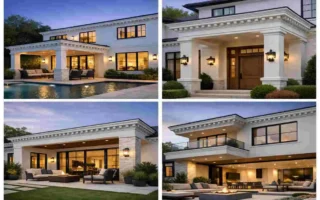
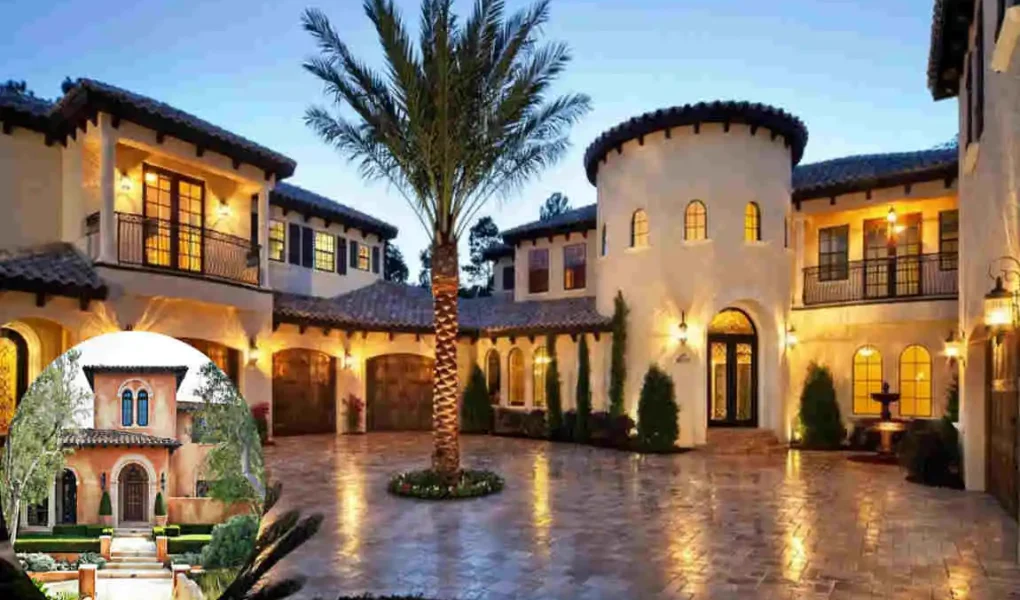
Mediterranean architecture is known for its warm appearance, natural materials, beautiful arches, tiled roofs, and strong connection between indoor and outdoor spaces. Inspired by homes across countries such as Spain, Italy, and Greece, this style brings a relaxed and welcoming feeling to modern living.
Today, homeowners can enjoy the traditional character of Mediterranean homes while adding modern layouts, energy-efficient features, smart technology, and contemporary furniture.
What Is Mediterranean Architecture?
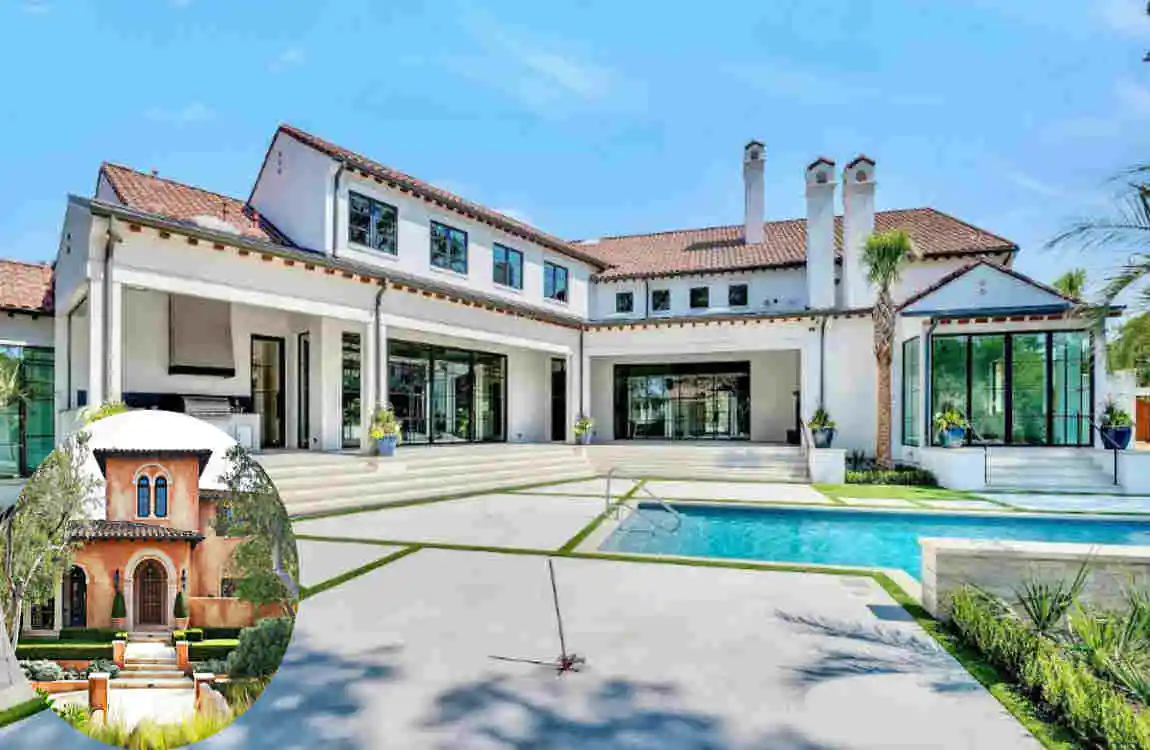
Mediterranean architecture is a residential design style influenced by the countries surrounding the Mediterranean Sea. Spanish, Italian, Greek, and Moorish traditions have all contributed to its development.
Warm climates shaped the style. Homes often feature thick walls, shaded outdoor areas, courtyards, tile roofs, and materials that help create a comfortable indoor environment.
Modern Mediterranean homes preserve these traditional ideas while adapting them to today’s lifestyles. Open floor plans, larger windows, modern kitchens, and simple furniture can work beautifully with classic Mediterranean details.
Key Features of Mediterranean Architecture
Stucco Exterior Walls
Stucco walls are one of the most recognizable features of Mediterranean-style homes. Their slightly textured surface gives the exterior a warm and handcrafted appearance.
Traditional colors include cream, beige, white, and soft earth tones. Modern homeowners can also choose subtle variations to create a cleaner contemporary look.
Red Tile Roofs
Terracotta or clay-colored roof tiles are another classic feature. Their warm color immediately gives a home a Mediterranean character.
Modern roofing materials can also recreate the appearance of traditional tile while offering improved durability and performance.
Arched Doors and Windows
Arches add softness and visual interest to Mediterranean homes. They are commonly used around entryways, windows, interior doorways, and passageways.
You do not need arches everywhere. Adding one or two carefully designed arches can provide enough character without making the house feel overly traditional.
Courtyards and Outdoor Living Areas
Outdoor living is central to Mediterranean home design. Courtyards, patios, terraces, balconies, and shaded seating areas help connect the home with nature.
A modern Mediterranean house might include an outdoor kitchen, comfortable seating, a garden, or a small dining area. These spaces make outdoor areas feel like an extension of the interior.
Natural Materials and Warm Colors
Mediterranean homes often use stone, wood, terracotta, wrought iron, and natural fabrics. These materials create texture and make spaces feel comfortable rather than overly polished.
Popular colors include warm white, cream, beige, brown, terracotta, muted blue, and sandy earth tones.
Popular Types of Mediterranean Architecture
Spanish Mediterranean Architecture
Spanish Mediterranean homes often feature stucco walls, red tile roofs, decorative ironwork, balconies, and inviting courtyards.
The style can feel rustic and traditional while still offering plenty of room for modern updates.
Italian Mediterranean Architecture
Italian-inspired homes commonly combine stone, plaster, terracotta, arches, and elegant architectural details.
The result is often rustic yet sophisticated, with an emphasis on natural materials and comfortable living spaces.
Greek Mediterranean Architecture
Greek influences are associated with whitewashed walls, simple forms, blue accents, and a strong connection to sunlight and outdoor spaces.
The clean appearance makes Greek-inspired design especially suitable for homeowners who prefer a lighter and simpler aesthetic.
Modern Mediterranean Architecture
Modern Mediterranean architecture combines traditional details with contemporary design.
A home may have stucco walls and arches but also include large windows, clean lines, open floor plans, minimalist furniture, and energy-efficient systems.
This balance allows homeowners to enjoy classic character without sacrificing modern comfort.
Mediterranean Architecture vs. Modern Architecture
Feature Mediterranean Architecture Modern Architecture
Exterior Stucco, stone, tile Concrete, glass, metal
Roof Clay or terracotta tile Flat or simple pitched roofs
Windows Arched and decorative Large and rectangular
Colors Warm, earthy tones Neutral and contrasting tones
Outdoor Space Courtyards and patios Decks and open spaces
Overall Feel Warm and traditional Clean and minimalist
Homeowners do not have to choose one style completely. A modern Mediterranean home can combine traditional stucco and tile with large glass windows, simple landscaping, contemporary lighting, and minimalist interiors.
Interior Design Ideas for a Mediterranean Home
Open and Airy Floor Plans
Mediterranean interiors often feel spacious and comfortable. Open living areas allow natural light to move throughout the home.
High ceilings, large windows, and an open kitchen and living area can make the house feel brighter and more welcoming.
Natural Flooring and Textures
Terracotta tiles, stone flooring, wood, and textured walls work well with this design style.
The goal is to create layers of natural texture instead of relying on too many decorative items.
Mediterranean-Inspired Kitchens
A Mediterranean kitchen can combine wood cabinets, stone countertops, terracotta details, open shelving, and warm lighting.
Modern appliances can be easily incorporated without changing the room’s overall character.
Warm and Comfortable Living Spaces
Use neutral walls, natural fabrics, rustic furniture, ceramics, woven materials, and indoor plants to create a relaxed atmosphere.
Keep the design comfortable rather than filling the room with decorations.
Benefits of Mediterranean Architecture for Modern Homes
There are several reasons homeowners continue to choose this style.
- Timeless appearance: Mediterranean design does not depend heavily on short-lived trends.
- Indoor-outdoor connection: Patios and courtyards make outdoor living easier.
- Natural materials: Stone, wood, tile, and stucco add character.
- Warm atmosphere: Earthy colors make rooms feel comfortable and inviting.
- Strong curb appeal: Arches, tile roofs, and textured walls create a distinctive exterior.
- Design flexibility: The style can work in both large villas and smaller homes.
You can also adjust the level of Mediterranean influence to match your budget. A homeowner might add warm colors and natural materials, while another may build a complete Mediterranean-style house.
How to Add Mediterranean Style to a Modern Home
You do not need to rebuild your house to introduce Mediterranean character fully.
Consider these simple improvements:
- Add a stucco finish to exterior walls.
- Introduce terracotta or tile accents.
- Use an arched doorway or window.
- Create a small courtyard or patio.
- Choose warm, earthy colors.
- Add natural stone and wood.
- Install wrought-iron lighting or railings.
- Connect indoor rooms with outdoor seating areas.
Even a few carefully selected features can make a noticeable difference.
Is Mediterranean Architecture Suitable for Modern Living?
Yes. Mediterranean architecture can work very well with contemporary lifestyles.
Modern kitchens, smart-home systems, efficient appliances, improved insulation, and large windows can all be incorporated into the design.
The key is to preserve the style’s main principles while adapting the home to your needs. Your house should be comfortable, practical, and suitable for the local climate and building requirements.
For example, traditional materials may need to be combined with modern insulation, ventilation, roofing systems, and energy-efficient windows.
Mediterranean Architecture: Cost and Planning Considerations
The cost of a Mediterranean-style home varies significantly. Home size, location, labor, materials, roof design, stonework, custom arches, windows, landscaping, and interior finishes can all affect the final price.
Custom architectural details can increase the budget, especially when using specialty materials or handcrafted features.
Before starting construction, create a realistic budget and discuss your plans with qualified architects and contractors. Good planning can help you avoid expensive changes later.
Common Mistakes to Avoid
Using Too Many Decorative Elements
Too many arches, columns, tiles, and decorative features can make a home feel dated. Choose a few strong architectural details and allow them to stand out.
Ignoring the Local Climate
Mediterranean-inspired design should still respond to local weather. Consider insulation, ventilation, roofing, moisture control, and suitable building materials.
Choosing the Wrong Colors
Very bright or overly cool colors may weaken the warm Mediterranean feeling. Natural shades such as cream, beige, terracotta, brown, and muted blue usually work better.
Focusing Only on Exterior Appearance
A beautiful exterior is only part of good design. Pay equal attention to layout, lighting, storage, comfort, airflow, and everyday functionality.
Mediterranean Architecture Ideas for Today’s Homeowners
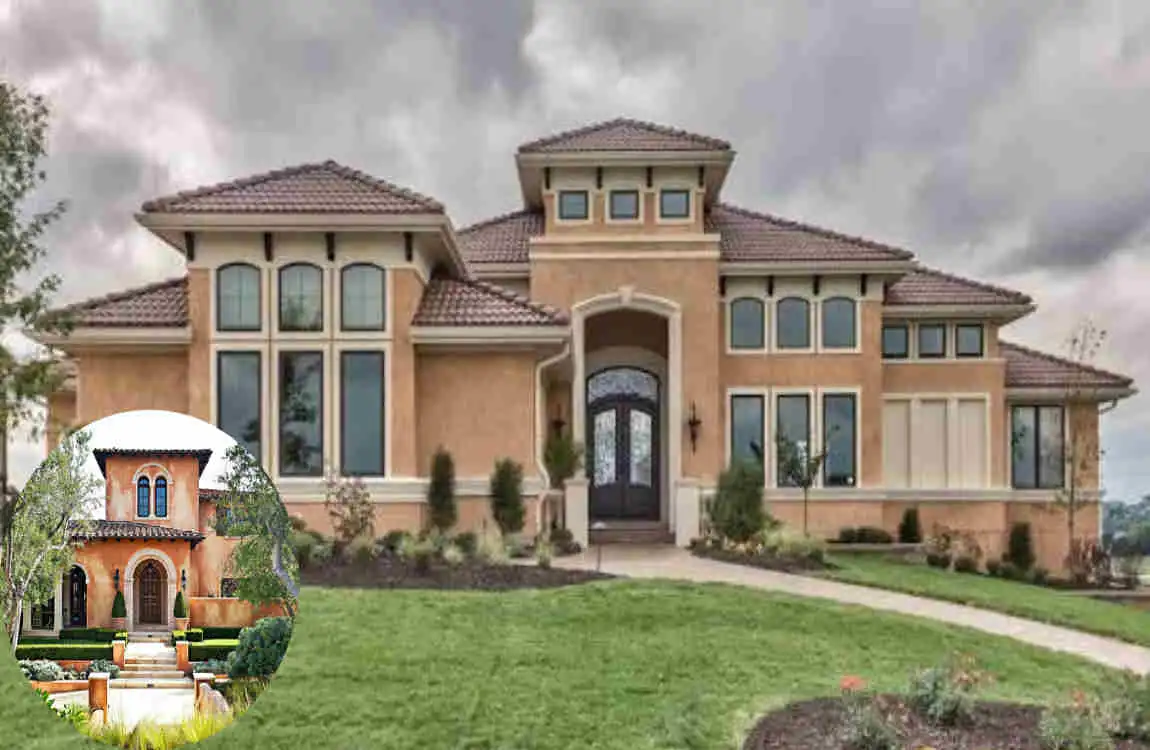
Modern homeowners have many ways to use this style.
A modern Mediterranean villa can combine traditional stucco with large windows and simple landscaping.
A small Mediterranean-style house can use arches, warm colors, and tile details without requiring a large floor plan.
A Mediterranean courtyard home can make outdoor space the center of daily life.
A contemporary Mediterranean kitchen can combine natural materials with modern appliances and clean cabinetry.
For outdoor areas, consider a Mediterranean-inspired backyard with stone paths, comfortable seating, plants, and warm lighting.
You can also create a Mediterranean-style entryway using an arched door, textured walls, natural stone, and simple decorative lighting.
Mediterranean Architecture FAQs
What is Mediterranean architecture?
Mediterranean architecture is a design style inspired by homes and architectural traditions from countries around the Mediterranean Sea. It commonly features stucco walls, tile roofs, arches, natural materials, warm colors, and outdoor living spaces.
What are the main features of Mediterranean architecture?
Common features include stucco exteriors, terracotta roofs, arches, courtyards, patios, natural stone, wood, wrought iron, and earthy colors.
Is Mediterranean architecture still popular?
Yes. Its timeless appearance, comfortable interiors, natural materials, and strong connection to outdoor living continue to appeal to modern homeowners.
What colors are commonly used in Mediterranean homes?
Popular colors include white, cream, beige, sand, terracotta, brown, warm gray, and muted blue.
Is Mediterranean architecture expensive?
It can be affordable or expensive depending on the home’s size, location, materials, labor, customization, and architectural details.
Can Mediterranean architecture look modern?
Absolutely. Clean lines, large windows, minimalist furniture, contemporary lighting, modern appliances, and smart-home technology can be combined with traditional Mediterranean features.
What countries influenced Mediterranean architecture?
Spain, Italy, and Greece are major influences, along with Moorish and other regional traditions from around the Mediterranean.
| Feature | Description |
|---|---|
| Stucco Walls | Smooth, textured, or white stucco creates the warm and timeless Mediterranean look. |
| Red Tile Roofs | Terracotta roof tiles add classic character while providing a distinctive architectural appearance. |
| Arched Doorways | Rounded arches around doors, windows, and passageways create an elegant traditional feel. |
| Natural Materials | Stone, wood, wrought iron, and terracotta bring warmth and authentic Mediterranean charm. |
| Open Floor Plans | Modern Mediterranean homes often use spacious layouts that connect living, dining, and kitchen areas. |
| Large Windows | Wide windows and glass doors bring in natural light and improve indoor-outdoor connection. |