An architecture tile block can do more than cover a surface. It can shape a room’s mood, add texture to a wall, and bring a clean, modern look to a home or business. People now want spaces that feel stylish but also practical, and tile blocks fit that need very well.
These designs blend visual appeal, strength, and easy upkeep. That is why you see them in kitchens, bathrooms, living rooms, offices, and even outdoor areas. From geometric tile designs to textured finishes, tile blocks help ordinary surfaces feel more creative and polished.
Understanding Architecture Tile Block Design
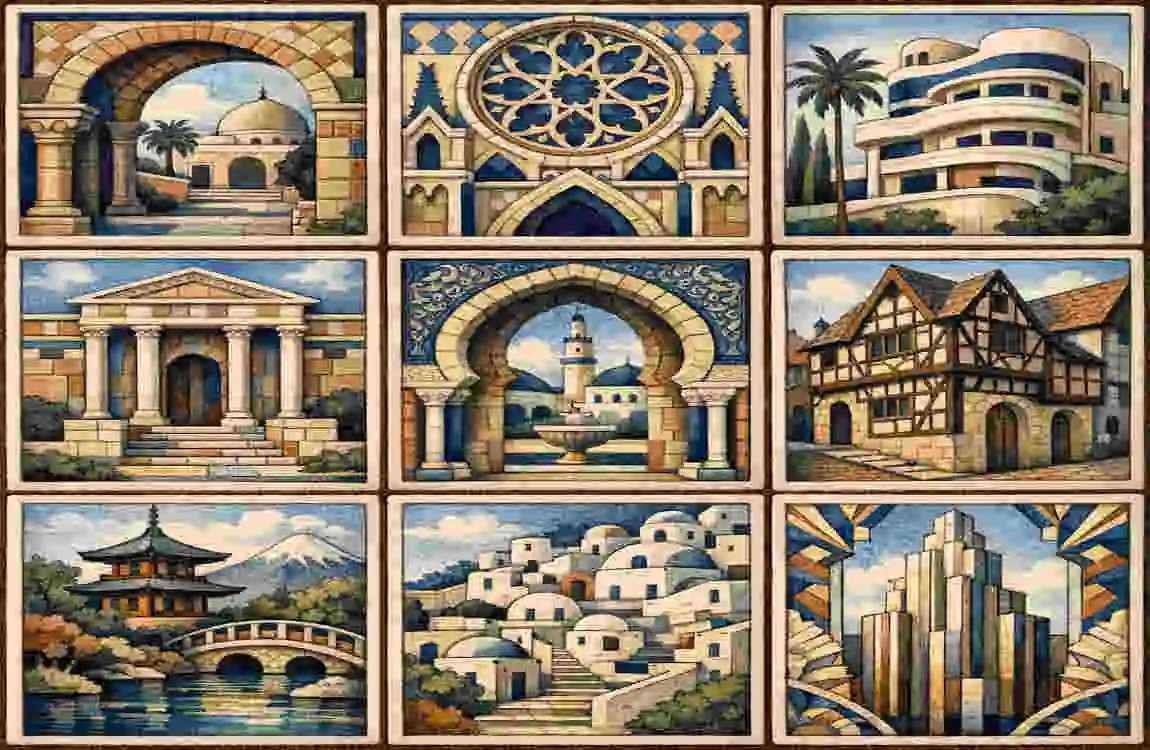
What Is an Architecture Tile Block?
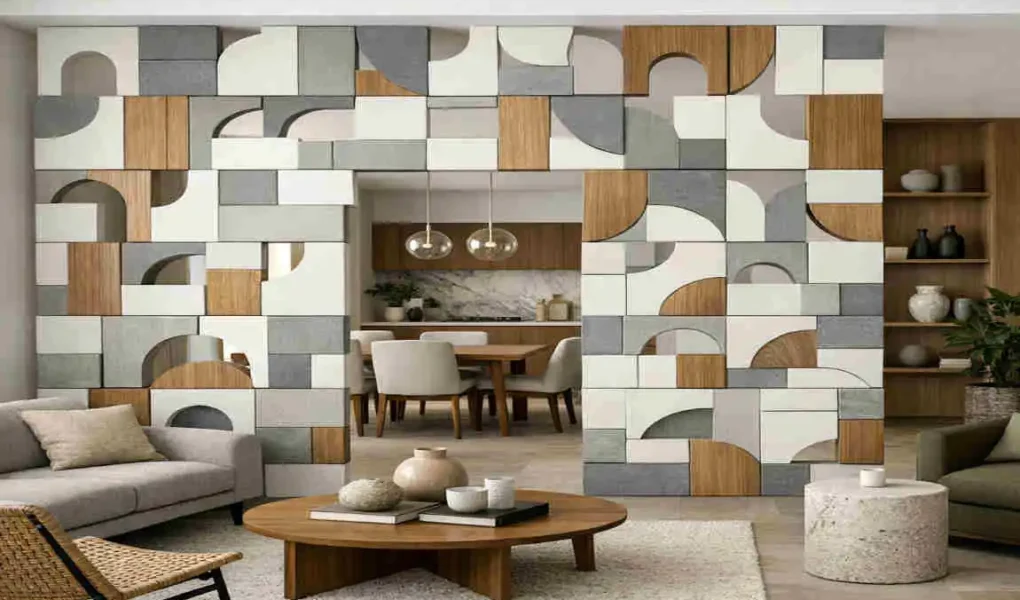
An architecture tile block is a tile-based design element used on walls, floors, facades, or decorative surfaces. Unlike a plain flat tile, it often has more texture, shape, or depth. Some are used as surface coverings, while others are part of the structure or a decorative wall system.
These blocks can create pattern, rhythm, and visual interest. They are often used for feature walls, partitions, and statement surfaces where design matters as much as function.
The Evolution of Tile Blocks in Architecture
Tile blocks have a long history. Traditional homes and buildings used stone, ceramic, and terracotta for both beauty and durability. Over time, this simple idea evolved into modern modular systems with cleaner lines and more variety.
Today’s designs often reflect styles like minimalist, industrial, Mediterranean, and contemporary architecture. That means you can find tile blocks that feel natural, bold, soft, or highly modern.
Key Features of Modern Tile Blocks
Modern architectural tile blocks often include:
- Geometric shapes and repeating layouts
- Textured surfaces for depth
- Moisture resistance for wet areas
- Durable finishes for daily use
- Easy-clean materials for low maintenance
The material you choose matters. It affects how the tile looks, how long it lasts, and where you can use it.
Popular Types of Architectural Tile Blocks and Their Materials
Ceramic and Porcelain Tile Blocks
Ceramic tiles are popular because they are affordable, versatile, and available in many colours. Porcelain is denser and usually more resistant to water and wear, making it a strong choice for high-traffic areas.
These materials work well in kitchens, bathrooms, living rooms, and commercial interiors. If you want a clean look with easy care, they are often a smart choice.
Natural Stone Tile Blocks
Natural stone options include marble, granite, limestone, slate, and travertine. Each has its own natural pattern and character, giving the space a rich, unique look.
Stone is often used in luxury interiors, feature walls, patios, and entrances. It can be heavier and may need sealing, but the result often feels timeless and strong.
Concrete and Cement-Based Tile Blocks
Concrete and cement-based tiles suit industrial, modern, and minimalist spaces. They often have a bold look, rough texture, and strong shape.
These tiles are often used on exterior walls, garden paths, and selected interior walls. They need proper sealing and correct installation, especially in exposed areas.
Glass, Terracotta, and Decorative Tile Blocks
Glass tiles bring light and shine into a space. They work well as accents and backsplashes. Terracotta feels warm, earthy, and traditional, which makes it ideal for rustic or natural designs.
Decorative relief tiles and 3D blocks can create a real statement. They work best when you want one wall or surface to stand out.
Comparing Architecture Tile Block Materials
MaterialMain AdvantageCommon ApplicationMaintenance
Ceramic Affordable and versatile Interior walls Generally easy
Porcelain Low water absorption in suitable products Floors and wet areas Generally easy
Natural stone Unique natural appearance Feature walls and selected floors May require sealing
Concrete Modern, textured appearance Exterior and industrial-style spaces Depends on finish
Glass Reflective, decorative finish Backsplashes and accent walls Requires regular cleaning
Terracotta Warm, natural character Rustic interiors and selected outdoor areas May require sealing
Innovative Architecture Tile Block Ideas for Every Space
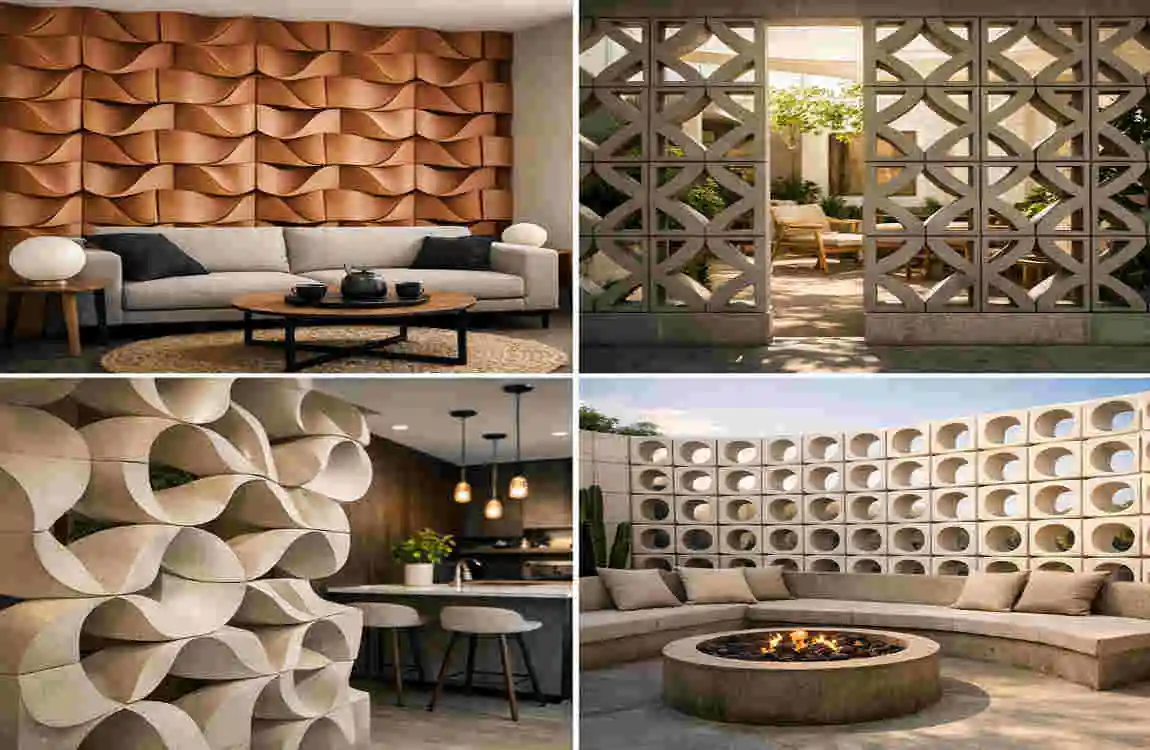
Transform Living Rooms with Feature Walls
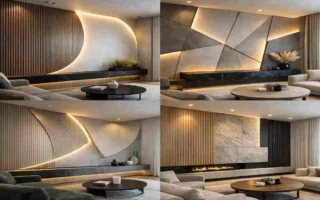
A feature wall can change the whole feel of a living room. A tile block wall behind a sofa, TV, or fireplace creates an instant focal point.
You can use texture, contrast, or large-format patterns to make the space feel more balanced. To keep the room from feeling too busy, pair a bold wall with simple furniture and soft lighting.
Create Stylish and Functional Kitchen Designs
In kitchens, architectural wall tiles can be used for backsplashes, island fronts, or decorative wall panels. They add style while also handling spills and splashes.
For a timeless look, choose neutral tones. For a more modern look, try bold colour accents or a patterned surface. Make sure the material is easy to clean, and the grout is practical.
Upgrade Bathrooms with Textured Tile Blocks
Bathrooms benefit a lot from textured tile blocks. They can be used on shower walls, vanity backsplashes, and accent surfaces.
Lighter colours and reflective finishes can make a small bathroom feel bigger. For floors, choose a slip-resistant product and use proper waterproofing. Do not assume that a wall tile is safe for floor use.
Enhance Exterior Walls and Building Facades
Exterior tile blocks can give a home or building a strong identity. They work well on facades, entry areas, garden walls, and boundary features.
Outdoor use needs the right product. Check for weather resistance, UV stability, drainage, and temperature resistance. A good exterior design also uses texture to add depth without looking overcrowded.
Design Creative Office and Commercial Spaces
In offices, hotels, restaurants, and retail spaces, tile blocks can support the brand image. Colour, pattern, and texture shape how people feel in the space.
Busy commercial areas need surfaces that are durable, easy to clean, and consistently finished. When the design flows well from one area to another, the whole property feels more polished.
Use Tile Blocks for Outdoor Living Areas
Patios, balconies, garden paths, and courtyards all benefit from weather-ready tile block designs. These spaces need materials that can handle moisture and outdoor exposure.
Choose finishes that are comfortable underfoot and safe when wet. Also, make sure the base is prepared properly and drainage is planned from the start.
Benefits of Using Architecture Tile Block Designs
Improved Visual Appeal and Design Flexibility
Tile blocks give you plenty of design freedom. You can mix colours, textures, sizes, and layouts to create something unique. Even a plain wall can become a strong design feature.
Durability and Long-Term Performance
Good tile materials can resist scratches, stains, moisture, and everyday wear. That makes them useful for homes and commercial spaces alike. Still, performance depends on quality, installation, and the right product for the right place.
Easier Cleaning and Maintenance
Many glazed ceramic and porcelain surfaces are simple to clean. Natural stone may need more care, but the result can be worth it. If you follow the maker’s cleaning advice, your tiles can stay attractive for years.
Sustainability and Resource Efficiency
Long-lasting materials reduce the need for frequent replacement. Some products also use recycled content or more responsible sourcing. If sustainability matters to you, look at the product details rather than relying on marketing claims alone.
Potential Impact on Property Appeal
A well-designed tile feature can make a property look more valuable and more inviting. But results depend on artistry, style, location, and buyer taste. Smart design helps, but it doesn’t guarantee higher value.
How to Choose, Install, and Maintain Architectural Tile Blocks
Choose the Right Tile Block for Your Project
Before buying, ask yourself:
- Where will it be used? Indoor, outdoor, wall, floor, or wet area?
- What performance is needed? Do you need water resistance, slip resistance, or extra durability?
- What style do you want? Neutral, bold, textured, or natural?
- What is your budget? Include the tile, labour, adhesive, grout, and prep work.
Understand the Installation Process
A good result starts with a solid base. The surface should be clean, stable, and ready for installation. Layout planning matters too, because it helps avoid awkward cuts and uneven patterns.
For exterior facades, complex patterns, or wet zones, a professional installer is often the safest choice. Good installation protects the design and helps it last.
Maintain Tile Blocks for Long-Lasting Results
Keep tile blocks looking good with simple care:
- Clean them regularly with suitable products
- Wipe stains quickly
- Check grout and sealant for damage
- Reseal natural stone when needed
- Repair loose tiles early
Common Mistakes to Avoid
- Choosing decorative tiles without checking suitability
- Skipping waterproofing or substrate prep
- Using slippery finishes in wet areas
- Ignoring grout colour and joint width
- Underestimating cost and material needs
The Future of Architecture Tile Block Design

Emerging Design Trends
The future is moving toward 3D surfaces, earthy colours, large-format patterns, and nature-inspired textures. People want designs that feel modern but still warm and comfortable home.
Smart and Sustainable Material Choices
More products now focus on recycled materials, efficient manufacturing, and easy repair. Modular systems are helpful because they allow selective replacement instead of full replacement.
Bringing Innovation into Everyday Spaces
You do not need to start big. A small feature wall can help you test a look before using it across a whole room. That is a simple way to bring style and function together.
Frequently Asked Questions About Architecture Tile Blocks
What Is an Architecture Tile Block?
A tile-based design element used for decorative surfaces, feature walls, and sometimes building systems.
What Materials Are Best?
Ceramic, porcelain, natural stone, concrete, glass, and terracotta all work well, depending on the space and purpose.
Can They Be Used Outdoors?
Yes, but only if the material and installation system can handle weather, moisture, and slip safety.
Are They Expensive?
Cost depends on the material, finish, size, installation work, and surface preparation.
How Do You Maintain Them?
Regular cleaning, grout care, and occasional sealing or inspection help keep them in good shape.
Can They Make a Small Room Look Bigger?
Yes. Lighter colours, reflective surfaces, and simple layouts can make a room feel more open.
| Feature | Information |
|---|---|
| Topic | Architecture Tile Blocks |
| Main Purpose | Enhance the beauty and functionality of interior and exterior spaces |
| Common Materials | Ceramic, concrete, clay, glass, and porcelain |
| Popular Designs | Geometric, 3D, textured, patterned, and minimalist |
| Best Applications | Walls, floors, partitions, patios, and decorative features |
| Key Benefits | Durability, visual appeal, easy maintenance, and design flexibility |
| Interior Uses | Kitchens, bathrooms, living rooms, and accent walls |
| Exterior Uses | Garden walls, building facades, patios, and outdoor features |
| Design Styles | Modern, contemporary, industrial, and traditional |
| Installation Tips | Prepare the surface, measure carefully, and choose suitable adhesive |
| Maintenance | Clean regularly with a suitable cleaner and repair damaged grout |