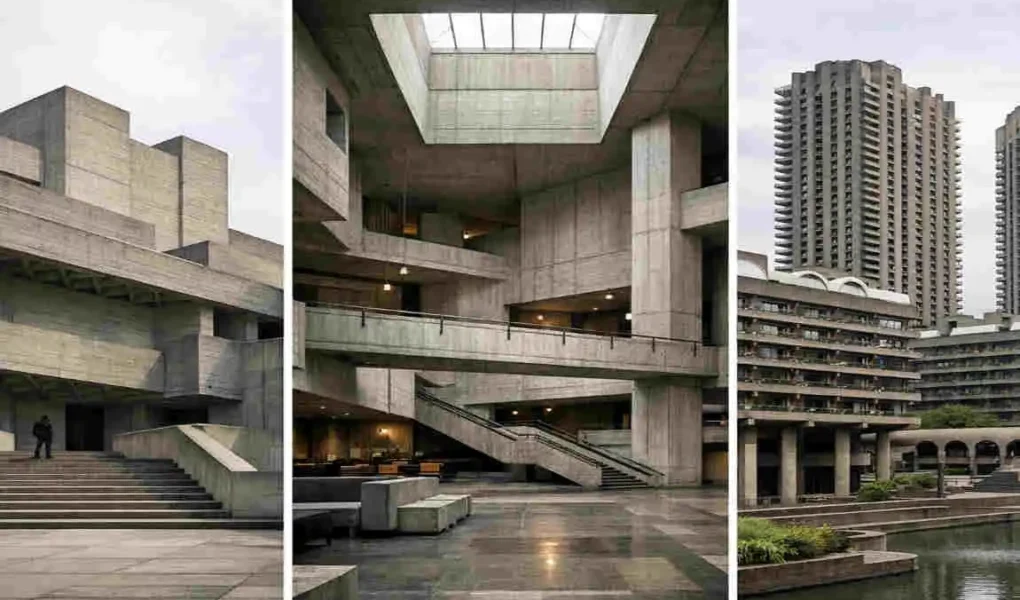
Brutalist architecture is one of the most striking styles in modern design. You can spot it quickly because of its raw concrete, bold shapes, heavy forms, and very little decoration. It became especially popular in the mid-20th century, when architects were looking for honest, practical, and durable ways to build.
What Is Brutalist Architecture?
Simple Definition
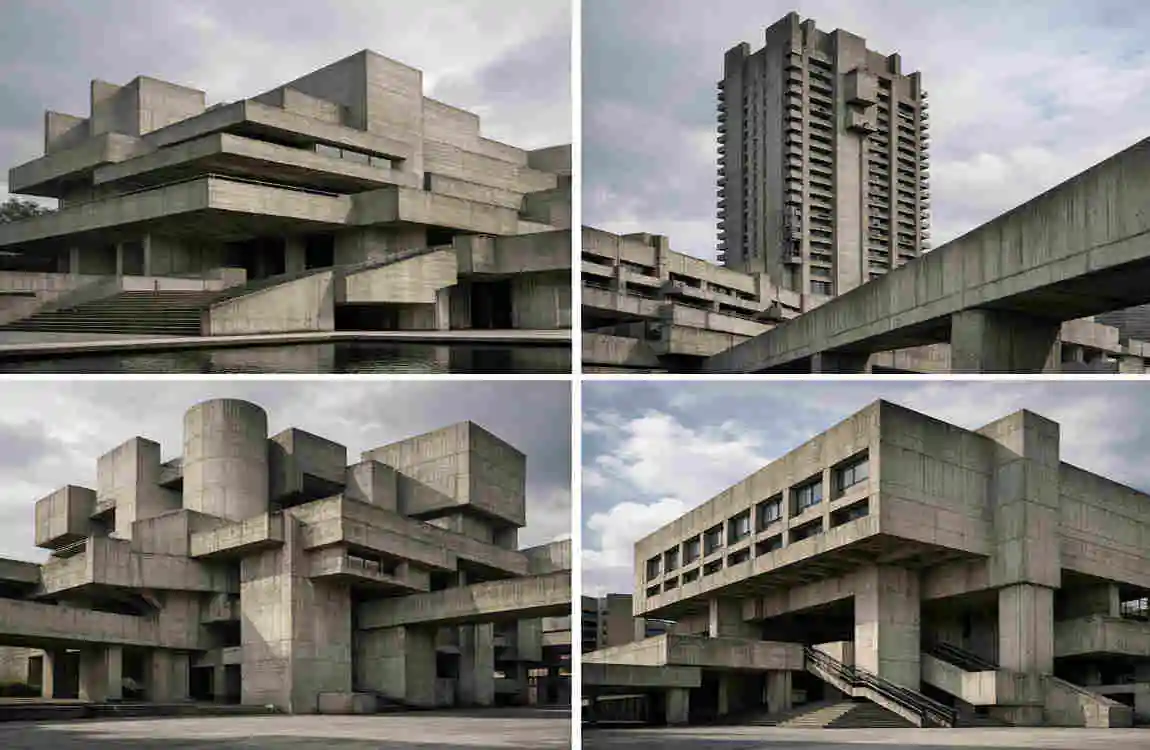
Brutalist architecture is a style that focuses on function, structure, and material honesty. Instead of hiding how a building is made, Brutalism often shows the building’s bones. That means you may see exposed concrete, visible support systems, and large geometric forms.
This style became strongly associated with concrete, especially because it can be molded into bold shapes and left exposed without additional decoration.
What Does “Brutalism” Mean?
The word Brutalism does not mean “brutal” in the sense of violent or ugly. It comes from the French phrase béton brut, which means raw concrete. That idea matters a lot. Brutalism is about materials that look unfinished, direct, and real.
Main Idea Behind the Style
Brutalist design usually follows a few simple ideas:
- Function over decoration
- Honest use of materials
- Strong, visible structure
- Repeated geometric forms
In simple words, Brutalism says: let the building look like itself.
History of Brutalist Architecture
Where It Began
Brutalism developed in Europe after World War II. Cities needed new buildings fast. They needed schools, housing, offices, and public spaces that were affordable, practical, and durable. Concrete became a popular choice because it could be used in large-scale construction.
This style grew from modern architecture, but it pushed things further. While modern architecture often looked clean and light, Brutalism often looked heavier, stronger, and more dramatic.
Le Corbusier and His Influence
One of the most important names in Brutalist history is Le Corbusier. His later buildings used raw concrete in powerful ways. He helped show that concrete could be more than just a building material. It could also become part of the building’s identity.
His ideas inspired later architects who wanted to create buildings that felt honest, bold, and functional.
Growth in the 1950s and 1960s
Brutalism spread quickly during the 1950s and 1960s. It appeared in:
- Universities
- Government buildings
- Housing projects
- Cultural centers
These buildings often needed to be large and practical. Brutalism fit that need perfectly. It gave public architecture a serious and powerful look.
Decline and Later Revival
By the 1970s, Brutalism started losing popularity. Some people saw it as cold, heavy, or unpleasant. Others blamed certain housing projects that were poorly maintained or badly planned.
Still, interest in Brutalism returned later. Today, many people value these buildings for their history, character, and unique visual strength.
Key Characteristics of Brutalist Architecture
Raw Concrete
The most famous feature of Brutalist architecture is exposed concrete. It may show texture, seams, marks from wooden molds, or signs of construction. Instead of covering these details, Brutalism lets them stay visible.
Massive Geometric Forms
Brutalist buildings often look like large blocks, stacked volumes, or sculpted concrete shapes. They may seem heavy or monumental. This gives them a strong presence in the city.
Minimal Decoration
Brutalism does not depend on ornaments or fancy details. The building itself is the design. The shape, surface, and structure do most of the talking.
Functional Design
In Brutalism, the layout usually reflects the building’s purpose. A school, office, or apartment block may look direct and practical because it is meant to work well first.
Repetition
You often see repeated windows, columns, balconies, or concrete sections. This repetition creates rhythm and order.
Deep Shadows and Strong Light Effects
Because Brutalist buildings often have recessed windows, overhangs, and bold projections, they create deep shadows. Sunlight can make them look especially dramatic.
Other Materials Too
Even though concrete is the most famous material, Brutalist architecture is not only concrete. Some buildings also use brick, steel, glass, or stone when needed.
Famous Examples of Brutalist Architecture
Unité d’Habitation
This building is one of the best-known examples of Brutalist architecture. It uses raw concrete, strong repetition, and a modular design. It shows how Brutalism could work in housing.
Boston City Hall
Boston City Hall is famous for its bold, geometric appearance. It is a clear example of how Brutalist design was used in civic buildings. It looks serious, powerful, and very different from traditional city halls.
Barbican Estate
The Barbican Estate combines residential space, culture, and public areas. Its concrete structures, elevated walkways, and large scale make it one of the most recognizable Brutalist complexes.
Habitat 67
This project uses repeated concrete units in a modular system. It shows how Brutalism could be playful and experimental, not just heavy and severe.
Salk Institute
The Salk Institute is simple, elegant, and powerful. It uses concrete, open space, and natural light in a very balanced way. It proves that Brutalism can feel calm and beautiful too.
Why Did Brutalist Architecture Become Popular?
Practical Post-War Needs
After the war, cities needed to rebuild quickly. Brutalism worked well because it was well-suited to fast, efficient construction.
Durable Materials
Concrete offered strength and long-term use for schools, offices, and public buildings, which made sense.
Public and Social Purpose
Many governments and institutions liked Brutalism because it gave their buildings a sense of serious purpose. It worked well for places meant to serve communities.
Modernist Influence
Brutalism grew out of modern architecture, which already valued simple forms and practical design. Brutalism just made those ideas bolder and more visible.
Advantages and Disadvantages of Brutalist Architecture
Advantages Disadvantages
Strong visual identity Can feel cold or harsh
Durable construction Concrete may need special maintenance
Functional layouts Weathering can affect appearance
Minimal decoration Some buildings feel imposing
Strong structural expression Repairs can be expensive
Lasting design impact Public opinion is often divided
Why People Value It
Many people like Brutalist architecture because it feels honest, solid, and memorable. It has a clear identity and does not pretend to be something else.
Why People Criticize It
At the same time, some people dislike its heavy look. Concrete can age in ways that make buildings seem stained or tired. That has hurt Brutalism’s image in some places.
Brutalist Architecture vs. Modern Architecture
What They Share
Both styles often use:
- Simple forms
- Functional layouts
- Minimal ornament
- Modern building methods
What Makes Brutalism Different
Brutalism usually feels more monumental, raw, and sculptural. It places more focus on exposed materials and strong structural expression.
Is Every Concrete Building Brutalist?
No. A building is not Brutalist just because it uses concrete. The overall design, shape, and purpose matter too. Brutalism is a full architectural approach, not just a material choice.
Why Brutalist Architecture Is Popular Again
New Appreciation
Younger people and design lovers are rediscovering Brutalist buildings. Many now see them as important pieces of architectural history.
Social Media and Photography
Brutalist buildings photograph very well because of their shadows, textures, and bold shapes. That has helped them gain new attention.
Reuse Instead of Demolition
Many architects now support adaptive reuse, which means updating old buildings instead of tearing them down. This can save history and reduce waste.
Influence on Modern Design
Today’s designers often borrow Brutalist ideas, like simple forms, concrete surfaces, and minimal style, and combine them with modern comfort.
How to Recognize a Brutalist Building
Here’s a quick checklist:
- Exposed concrete
- Large geometric shapes
- Minimal decoration
- Heavy or monumental look
- Repeated structural parts
- Deep window recesses
- Visible building structure
- Strong light and shadow contrast
A building does not need every one of these features to be considered Brutalist. But the more it shows these qualities, the more likely it is part of the style.
Brutalist Architecture in Modern Design
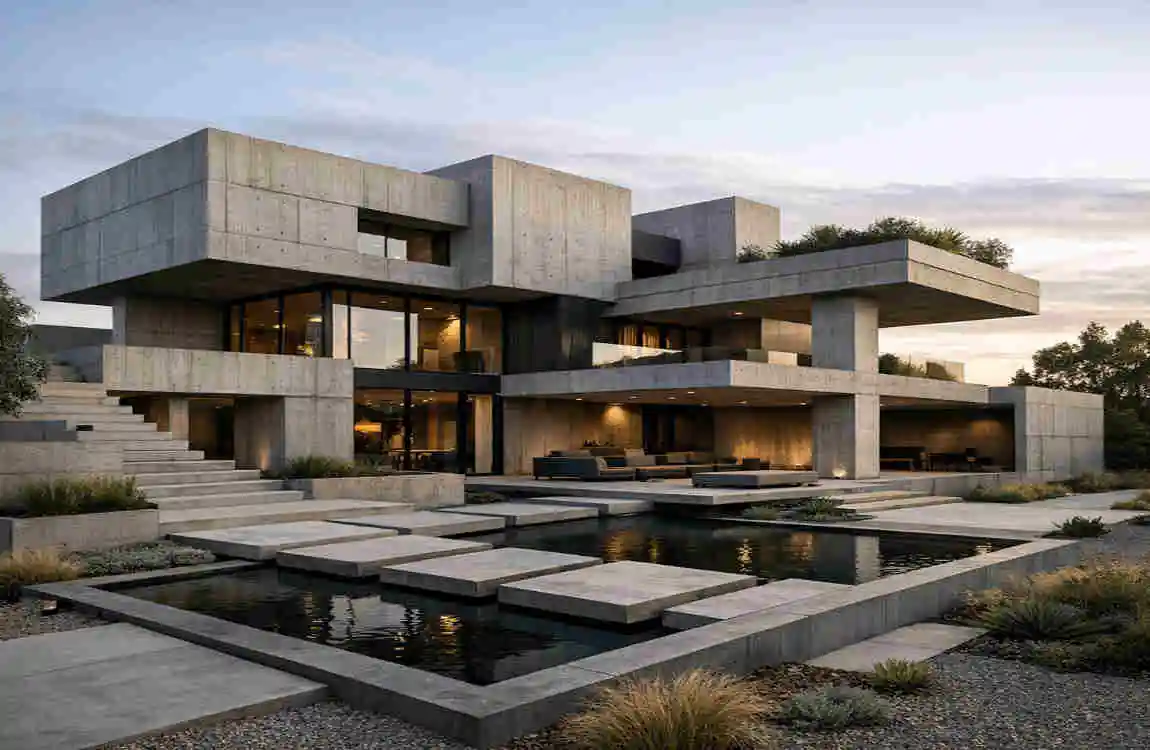
In Homes
Modern homes sometimes borrow Brutalist ideas through simple shapes, concrete walls, and minimal interiors.
In Public Buildings
You can still see Brutalist influence in large offices, libraries, schools, and civic buildings where strong structure matters.
In Interior Design
Brutalism also appears inside homes and commercial spaces through raw finishes, industrial materials, and simple furniture.
Is Brutalist Architecture Sustainable?
Brutalism itself is not automatically sustainable. Concrete production has an environmental cost. But many Brutalist buildings are very durable, which means they can last a long time.
That matters because keeping and reusing a building can often be better than demolishing it and building something new. So, with smart renovation, some Brutalist buildings can have a useful future.
Frequently Asked Questions
What is Brutalist architecture?
Brutalist architecture is a style known for its use of raw materials, exposed concrete, geometric forms, and minimal decoration.
Why is it called Brutalist architecture?
The name comes from béton brut, a French phrase meaning raw concrete.
When was Brutalist architecture popular?
It was most popular from the 1950s through the 1970s.
Is all concrete architecture Brutalist?
No. Concrete alone does not make a building Brutalist.
Is Brutalist architecture still popular?
Yes. It has become popular again in discussions of architecture, photography, and design.