Lisbon is one of Europe’s most visually distinctive capitals, and Lisbon architecture tells the story of the city through its buildings, streets, tiles, churches, castles, and public squares. Over centuries, Roman, Moorish, medieval, Gothic, Manueline, Baroque, Pombaline, and contemporary influences have shaped the Portuguese capital.
From the narrow streets of Alfama to the grand avenues of Baixa and the modern waterfront of Parque das Nações, Lisbon offers a fascinating mixture of old and new. Its colorful façades, decorative azulejos, stone details, wrought-iron balconies, and traditional paving give the city a character that is easy to recognize.
What Makes Lisbon Architecture Unique?
Lisbon’s architecture is unique because it combines many different periods within a single city. You can walk through a medieval neighborhood, see an 18th-century building, and then encounter a modern glass-and-steel structure within a relatively short distance.
The city’s geography also plays an important role. Lisbon is built across several hills overlooking the Tagus River. This created steep streets, stairways, terraces, compact neighborhoods, and viewpoints known as miradouros.
A Blend of Different Architectural Periods
The architectural identity of Lisbon developed gradually:
- Roman architecture introduced roads, infrastructure, and organized urban development.
- Moorish influence shaped narrow streets, compact buildings, and defensive structures.
- Medieval architecture brought castles, churches, walls, and religious buildings.
- Manueline architecture developed during Portugal’s Age of Discoveries.
- Pombaline architecture transformed central Lisbon after the 1755 earthquake.
- Contemporary architecture added modern cultural, residential, and commercial buildings.
This mixture means that Lisbon does not have one single architectural style. Instead, its character comes from the way different styles exist together.
The Role of Lisbon’s Hills and Urban Landscape
Lisbon’s hills have strongly influenced its urban design. Buildings often follow the natural slope instead of creating completely level streets.
Narrow roads and stairways connect neighborhoods, while elevated viewpoints provide views over rooftops and the Tagus River. Traditional buildings were also adapted to irregular plots and changing elevations.
The result is an urban landscape that feels both historic and organic.
A Brief History of Lisbon Architecture
Roman Influence on Lisbon
The Romans knew Lisbon as Olisipo, an important settlement connected to trade and transportation. Roman influence included roads, infrastructure, buildings, and urban planning.
Although much of ancient Lisbon disappeared beneath later development, archaeological remains still provide evidence of the city’s Roman past. These foundations also contributed to the layers of history found beneath modern Lisbon.
Moorish Influence on the City
Moorish rule had a major influence on Lisbon between the 8th and 12th centuries. The period helped shape the compact urban pattern still evident in parts of Alfama.
Narrow streets, irregular passages, defensive walls, courtyards, and closely grouped buildings are among the features associated with this historical influence.
Rather than following a large geometric street plan, older areas developed through a more compact network of streets and alleys.
Medieval Lisbon Architecture
After the Christian reconquest, Lisbon continued to grow as an important religious, commercial, and political center.
Churches, castles, defensive walls, and medieval houses became important parts of the city. Lisbon Cathedral, also known as Sé de Lisboa, is one of the best-known examples of this period.
Medieval neighborhoods also developed around important religious and defensive structures, creating the historic urban fabric that remains visible today.
The Age of Discoveries and Manueline Architecture
Portugal’s maritime expansion during the 15th and 16th centuries brought wealth and international influence to Lisbon. Architecture reflected this new confidence.
Manueline architecture developed as a highly decorative Portuguese style. It is often associated with carved stone, maritime symbols, ropes, shells, plants, crosses, and other natural or nautical motifs.
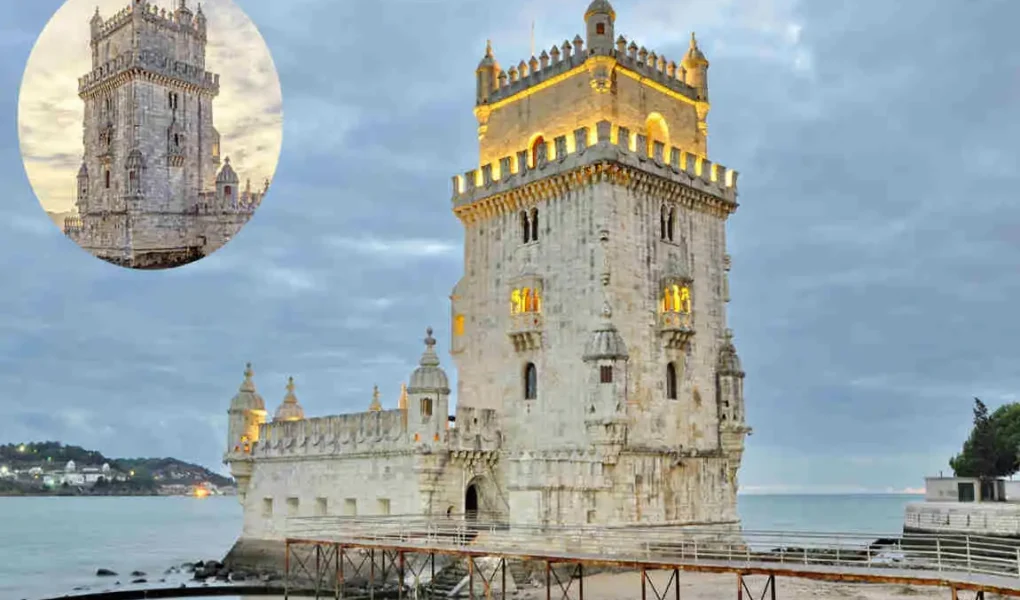
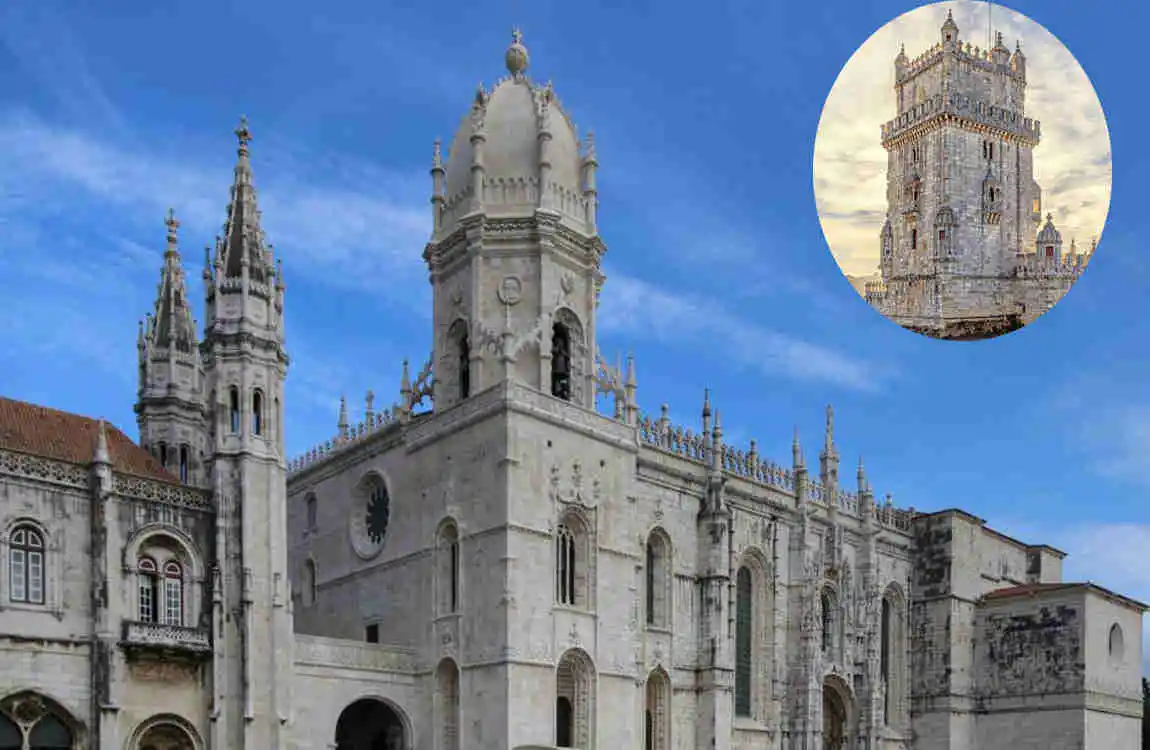
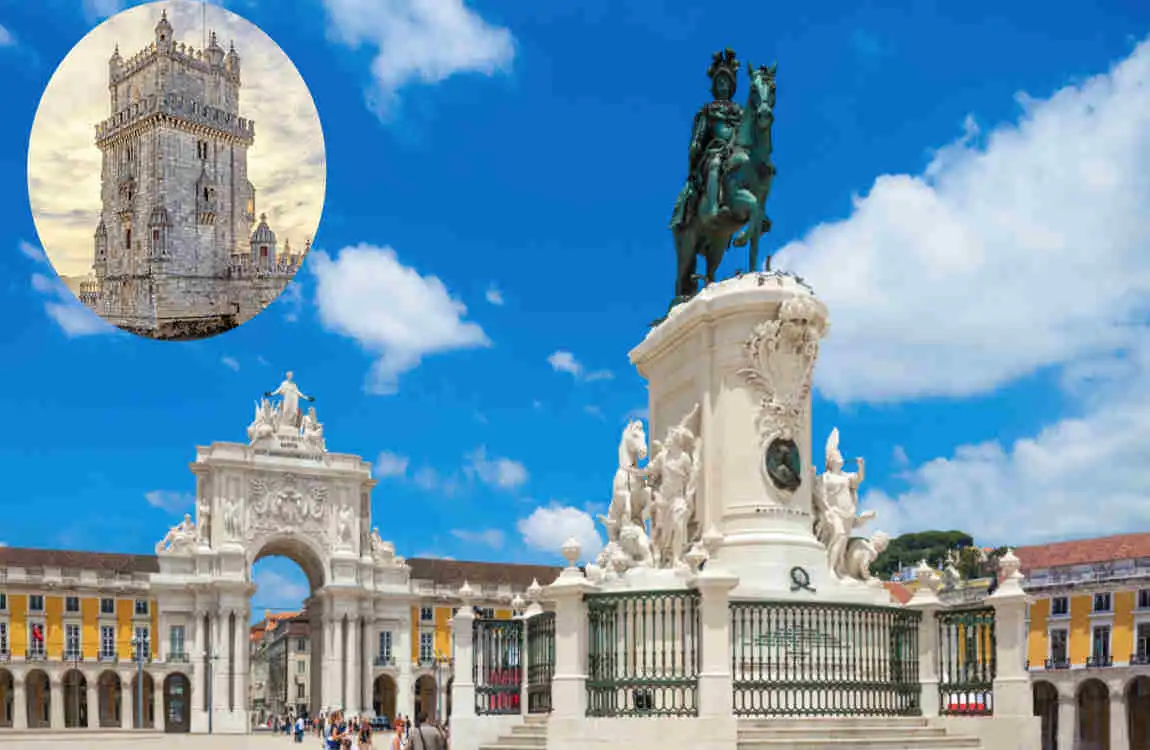
Belém contains some of the most famous examples of this style, including the Jerónimos Monastery and Belém Tower.
The 1755 Lisbon Earthquake
The 1755 earthquake was one of the most important events in the history of Lisbon architecture. Large parts of the city were destroyed, necessitating extensive reconstruction.
The rebuilding of central Lisbon introduced a more organized approach to streets and buildings. This period gave rise to Pombaline architecture, named after the Marquis of Pombal, who played a major role in the city’s reconstruction.
The new buildings emphasized regular layouts, standardized designs, wider streets, and structural measures intended to improve resistance to future earthquakes.
Major Architectural Styles in Lisbon
Roman Architecture
Roman architecture in Lisbon is mostly understood through archaeological remains and historical evidence.
Its influence can be seen in early infrastructure, roads, and the development of Lisbon as an organized urban settlement.
Moorish Architecture
Moorish influence is especially noticeable in older neighborhoods.
Common characteristics include:
- Narrow and winding streets
- Compact building arrangements
- Courtyard concepts
- Defensive features
- Whitewashed surfaces and simple forms
Alfama provides one of the clearest experiences of Lisbon’s older urban pattern.
Gothic Architecture
Gothic architecture introduced features such as pointed arches, strong stone construction, and elaborate religious buildings.
Lisbon Cathedral contains both Romanesque and Gothic characteristics because it has been changed and restored throughout its long history.
Manueline Architecture
Manueline architecture is among the most recognizable forms of Portuguese architecture.
Its decorative stonework often includes maritime and natural imagery, reflecting Portugal’s connection with exploration and overseas trade. Ornamental portals, windows, carved ropes, plants, and shells are common visual elements.
Portuguese Baroque Architecture
Baroque architecture brought greater decoration and visual drama to Lisbon.
Churches and palaces could feature elaborate interiors, curved forms, decorative stonework, and extensive use of gilded ornamentation. The style reflected wealth, religious influence, and artistic ambition.
Pombaline Architecture
Pombaline architecture transformed central Lisbon following the earthquake.
Its main characteristics include:
- Organized street grids
- Repeated façades
- Standardized building layouts
- Practical interior arrangements
- Improved structural planning
The style is especially visible in Baixa, where streets and buildings follow a more controlled urban plan.
Art Nouveau and Early Modern Architecture
Later architectural development introduced decorative façades, ironwork, larger windows, and new construction materials.
Commercial buildings and residential structures increasingly reflected technological and urban lifestyle changes.
Contemporary Lisbon Architecture
Modern Lisbon includes museums, cultural centers, offices, apartments, and waterfront developments.
Contemporary architecture often uses glass, concrete, steel, unusual shapes, and sustainable technologies. New buildings show how Lisbon continues to evolve while maintaining connections with its historic environment.
Famous Buildings and Architectural Landmarks in Lisbon
Belém Tower
Belém Tower is one of Lisbon’s most recognizable landmarks. Built as part of the city’s defensive system, it stands near the Tagus River.
Its Manueline decoration includes carved stone details and maritime references. The tower combines military purpose with elaborate ornamentation, making it an important example of Portuguese architectural history.
Jerónimos Monastery
The Jerónimos Monastery is one of the finest examples of Manueline architecture.
Its detailed stone carvings, grand entrances, columns, and cloisters demonstrate the craftsmanship associated with Portugal’s Age of Discoveries.
The building also has strong religious and historical importance and remains one of Lisbon’s most significant architectural landmarks.
Lisbon Cathedral
Lisbon Cathedral is one of the city’s oldest major religious buildings.
Its architecture combines Romanesque and Gothic elements, while later modifications reflect the building’s long history. Its solid stone appearance gives it a strong medieval character.
São Jorge Castle
Located on one of Lisbon’s highest hills, São Jorge Castle has played an important defensive role throughout the city’s history.
Its walls, towers, and elevated position demonstrate the importance of defensive architecture in medieval Lisbon. The location also provides impressive views across the historic city.
Santa Justa Lift
The Santa Justa Lift is a distinctive example of iron architecture in Lisbon.
Built to help people move between different levels of the city, the lift combines practical transportation with decorative design. Its vertical form and Neo-Gothic details have made it an architectural landmark.
Praça do Comércio
Praça do Comércio is one of Lisbon’s most impressive public spaces.
The large square reflects the principles of Pombaline urban planning and opens toward the Tagus River. Its symmetrical buildings create a strong sense of order and scale.
Carmo Convent
The ruins of Carmo Convent provide a powerful reminder of the 1755 earthquake.
Its Gothic arches and damaged structure create a unique architectural atmosphere. Rather than being restored completely, the ruins preserve part of Lisbon’s history and demonstrate the earthquake’s enormous impact.
National Pantheon
The National Pantheon is a monumental building with strong Baroque influences.
Its large dome, spacious interior, and decorative details give the building a grand appearance. It is also historically important as a place connected with notable Portuguese figures.
MAAT and Contemporary Architecture
MAAT represents a different side of Lisbon architecture.
Its curved riverside form creates a modern visual relationship with the Tagus. The building demonstrates how contemporary architecture can add new identity to a historic city without simply copying older styles.
The Importance of Portuguese Azulejos in Lisbon Architecture
What Are Azulejos?
Azulejos are decorative ceramic tiles that have become strongly associated with Portuguese architecture.
They can protect walls from weather while also adding color, patterns, and artistic detail. Some feature simple geometric designs, while others display elaborate scenes and illustrations.
How Tiles Became Part of Lisbon’s Identity
Tiles can be found on residential buildings, churches, public structures, and interiors.
They are especially effective in Lisbon because they bring visual variety to otherwise simple façades. Blue-and-white tile designs are particularly recognizable, although many other colors and patterns are also used.
Why Azulejos Matter in Modern Architecture
Azulejos remain relevant today because they connect contemporary Lisbon with its architectural heritage.
Architects and designers can use tile-inspired patterns or traditional materials while creating modern buildings. Restoration projects also help preserve historic façades and maintain Lisbon’s visual identity.
Lisbon Architecture by Neighborhood
NeighborhoodArchitectural CharacterWhat to Look For
Alfama Medieval and Moorish influence Narrow streets, old houses, tiled façades
Baixa Pombaline Grid streets, symmetrical buildings
Belém Manueline and monumental Historic landmarks and riverside buildings
Chiado Historic and elegant Traditional façades and commercial buildings
Bairro Alto Traditional urban fabric Narrow streets and historic residences
Parque das Nações Contemporary Modern buildings and public spaces
Alfama
Alfama is one of the best places to experience historic Lisbon.
Its narrow streets, stairways, irregular layout, traditional houses, and tiled façades reflect centuries of urban development. The neighborhood’s medieval and Moorish influences remain particularly visible.
Baixa
Baixa provides a strong contrast with Alfama.
Rebuilt after the 1755 earthquake, the area features Pombaline architecture, organized streets, regular façades, and spacious plazas. It demonstrates how architecture can reshape an entire part of a city.
Belém
Belém is closely connected with Portugal’s maritime history.
The area contains monumental buildings and important examples of Manueline architecture. Visitors can see how decorative stonework and large public buildings were used to express Portugal’s historical importance.
Parque das Nações
Parque das Nações represents modern Lisbon.
Developed as part of waterfront regeneration, the district contains contemporary buildings, public spaces, modern infrastructure, and large-scale urban design. It demonstrates the city’s transition toward newer architectural ideas.
Key Features of Lisbon Architecture
Several features make Lisbon buildings easy to recognize.
Azulejo Tile Façades
Tile-covered façades add color, texture, and pattern to the city’s streets. They are among the most memorable features of Lisbon’s architecture.
Decorative Stonework
Stone carving is particularly important in Manueline and historic religious architecture. Intricate details can transform entrances, windows, and walls into works of art.
Wrought-Iron Balconies
Iron balconies appear on many historic residential and commercial buildings. They provide useful outdoor space while adding delicate decorative details to façades.
Tall and Narrow Buildings
Many older Lisbon buildings have relatively narrow fronts because of the city’s historic plots and dense urban development.
Colorful Façades
Painted walls, ceramic tiles, decorative trim, and contrasting windows create Lisbon’s colorful streetscape.
Portuguese Calçada Paving
Small pieces of stone are arranged to create decorative pavement patterns. This traditional paving contributes to the visual identity of streets and public spaces.
Courtyards, Terraces, and Viewpoints
Because Lisbon is built on hills, terraces and viewpoints are an important part of the urban experience. They allow people to enjoy views across rooftops and toward the Tagus.
How the 1755 Earthquake Changed Lisbon Architecture
The 1755 earthquake changed Lisbon’s architecture on a massive scale.
The reconstruction of Baixa introduced a more systematic approach to urban planning. Streets were arranged in a grid, building façades followed repeated patterns, and construction methods were developed with greater attention to earthquake resistance.
The rebuilding also more clearly separated functions and created larger public spaces.
This approach made Lisbon an important example of how a major disaster can spur new ideas in urban planning, building safety, and city organization.
Traditional vs. Modern Lisbon Architecture
Feature Traditional Architecture Modern Architecture
Materials Stone, tile, plaster, wood Glass, steel, concrete
Design Ornamental and historic Minimalist and innovative
Main Influence Portuguese historical styles Contemporary global design
Common Locations Alfama, Baixa, Belém Parque das Nações and newer districts
Visual Character Decorative and colorful Clean and geometric
What Traditional Lisbon Architecture Offers
Traditional buildings offer a strong connection with history and local craftsmanship.
Their tiles, balconies, stonework, windows, and façades reflect Portuguese culture and the changing needs of previous generations.
What Contemporary Architecture Adds
Modern architecture brings new materials, technology, flexible spaces, and sustainable design.
It also allows Lisbon to accommodate new cultural, residential, commercial, and transportation needs while continuing to grow as a modern European capital.
Why Lisbon Architecture Is Important Today
Lisbon architecture is more than something attractive to photograph. It represents the city’s history, culture, geography, and economic development.
Historic preservation is especially important because old buildings provide a physical connection to earlier periods. At the same time, Lisbon needs modern housing, infrastructure, workplaces, and cultural spaces.
One solution is adaptive reuse, in which historic buildings are renovated for new purposes rather than demolished.
This approach can preserve important architectural details while allowing buildings to serve modern needs.
For architects and urban planners, Lisbon also provides a valuable example of how historic neighborhoods, tourism, transportation, housing, and modern development can interact.
Best Places to See Lisbon Architecture
If you want to explore Lisbon architecture, consider these areas:
- Alfama – Explore medieval streets, traditional homes, tiled façades, and hillside viewpoints.
- Baixa – Look for Pombaline buildings, organized streets, plazas, and symmetrical façades.
- Belém – Discover Manueline landmarks and monumental architecture connected with Portugal’s maritime history.
- Chiado – Observe elegant historic façades, shops, theaters, and commercial buildings.
- Bairro Alto – Walk through narrow streets surrounded by traditional residential architecture.
- Parque das Nações – Compare historic Lisbon with contemporary buildings and modern waterfront planning.
Lisbon Architecture and Sustainable Urban Development
Reusing Historic Buildings
Reusing historic buildings can reduce unnecessary demolition and preserve architectural character.
Instead of completely replacing an old structure, designers can restore key façades and historic features while updating interiors to meet modern requirements.
Modern Sustainable Design
New Lisbon developments increasingly consider energy efficiency, transportation, public spaces, and walkability.
Waterfront regeneration projects also show how neglected urban areas can be transformed into useful public and commercial districts.
Protecting Lisbon’s Architectural Identity
The challenge is finding the right balance between preservation and development.
Historic façades, traditional materials, and neighborhood character need protection, but buildings must also remain functional for modern residents.
A successful approach allows Lisbon to grow without losing the architectural qualities that make the city distinctive.
Frequently Asked Questions About Lisbon Architecture
What is Lisbon architecture known for?
Lisbon architecture is known for azulejo tiles, colorful façades, decorative stonework, Manueline details, Pombaline buildings, balconies, historic streets, and distinctive paving.
What architectural style is most famous in Lisbon?
Manueline architecture is one of the styles most strongly associated with Lisbon and Portugal. However, the city contains many other important styles, including Roman, Moorish, Gothic, Baroque, Pombaline, and contemporary architecture.
What are the most famous examples of Lisbon architecture?
Important landmarks include Belém Tower, Jerónimos Monastery, Lisbon Cathedral, São Jorge Castle, Santa Justa Lift, Praça do Comércio, and Carmo Convent.
Why are Lisbon buildings covered in tiles?
Azulejos have both decorative and practical purposes. They can protect exterior walls while adding patterns, color, and artistic expression to buildings.
What is Pombaline architecture?
Pombaline architecture developed during the rebuilding of Lisbon after the 1755 earthquake. It is associated with organized streets, repeated façades, practical layouts, and early efforts to improve earthquake resilience.
Where can I see the oldest architecture in Lisbon?
Alfama is one of the best places to experience Lisbon’s oldest urban fabric. Lisbon Cathedral and São Jorge Castle are also important historic landmarks.
What is Manueline architecture?
Manueline architecture is a Portuguese late-Gothic style known for highly detailed stonework and maritime, natural, and religious motifs. It developed during Portugal’s maritime expansion.
| Aspect | Key Information |
|---|---|
| Architectural History | Lisbon’s architecture reflects Roman, Moorish, medieval, Renaissance, and modern influences. |
| Moorish Influence | Seen in traditional layouts, tiled details, arches, and historic neighborhoods such as Alfama. |
| Pombaline Architecture | Developed after the 1755 Lisbon earthquake, featuring organized streets, elegant façades, and early earthquake-resistant construction. |
| Azulejos | Decorative ceramic tiles are a defining feature of Lisbon, often covering building exteriors and interiors. |
| Manueline Style | A Portuguese late-Gothic style known for maritime decorations, intricate stonework, and elaborate details. |
| Modern Architecture | Lisbon combines historic buildings with contemporary designs, creating a diverse urban landscape. |