Doors do much more than open and close. They shape the first impression of a home, guide the flow from room to room, and affect privacy, security, light, and comfort.
That is why architectural design doors are so important. They are not just basic entry points. They are part of the home’s style and personality.
Modern Architectural Design Doors for Stylish Homes
What Are Architectural Design Doors?
Architectural design doors are doors crafted with careful attention to the home’s overall design. That includes the door’s size, shape, material, finish, hardware, and glass, as well as how the door fits into the wall and surrounding architecture.
A standard door may do its job. An architecturally designed door also adds visual value. It can become a feature rather than something people ignore.
That difference matters. The right door can make an entryway feel grand, a hallway feel cleaner, or a room feel more open.
Why Door Design Is Important in Home Architecture
Doors help create the feel of a home. On the outside, they affect curb appeal. On the inside, they help connect or separate spaces.
A strong front door can act as a focal point. Interior doors can create flow and visual calm. Glass doors can bring in light. Solid doors can add privacy and quiet.
Door design also affects functionality, accessibility, and comfort. That is why it should always be part of the design plan, not an afterthought.
Popular Types of Architectural Design Doors
Modern Front Entry Doors
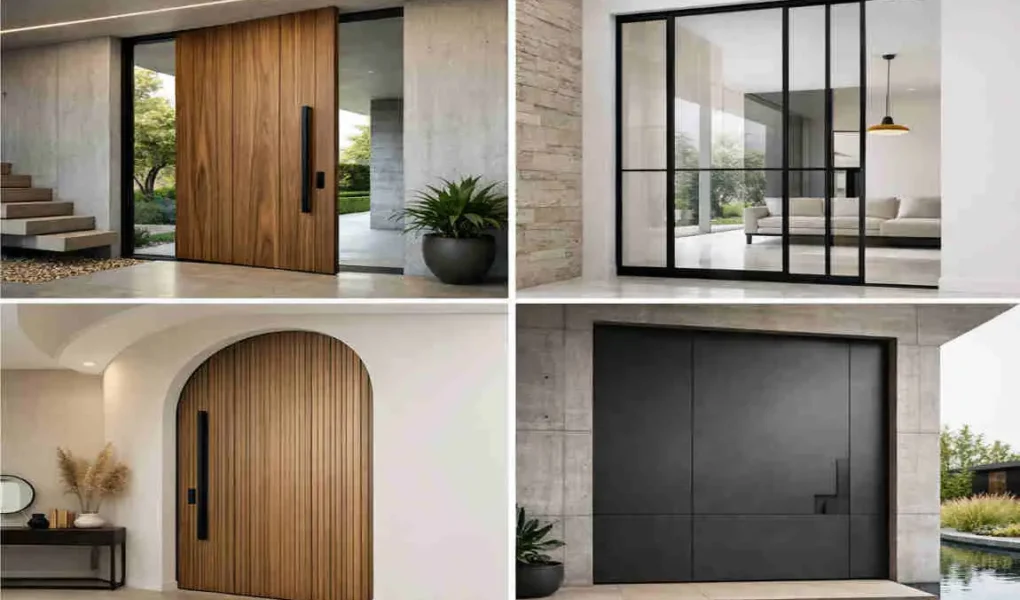
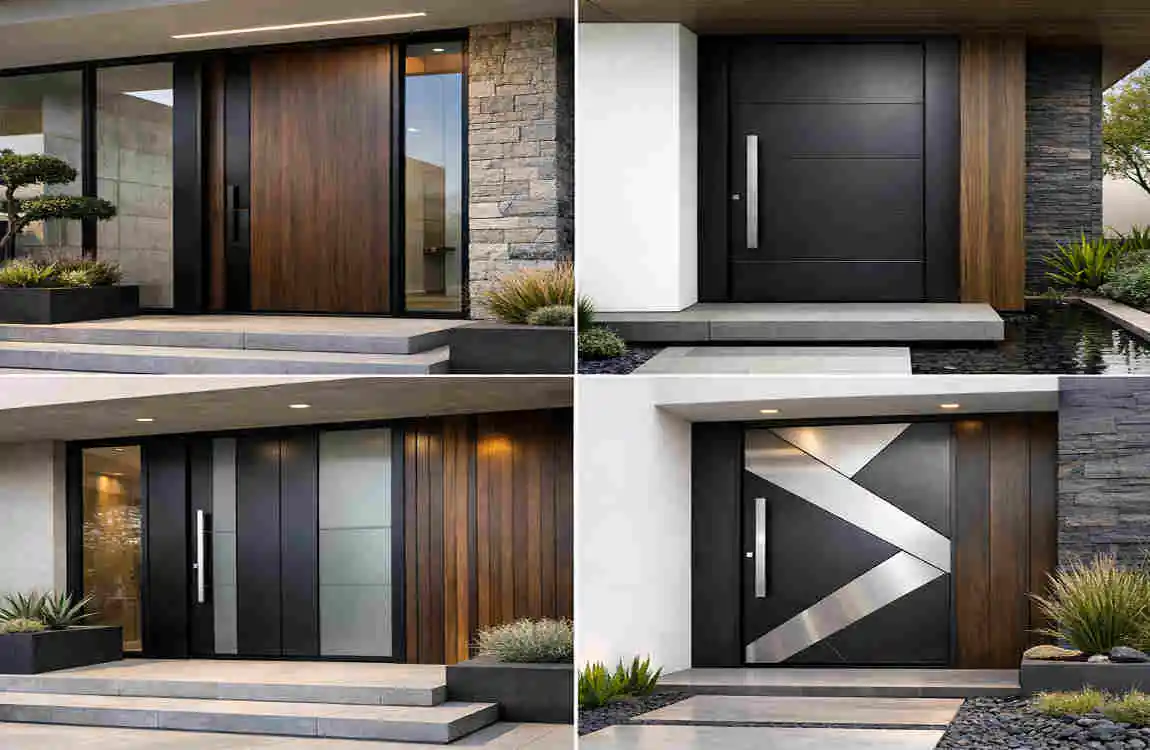
Front entry doors often set the tone for the whole house. Modern homes usually benefit from clean lines, simple panels, and strong proportions.
Some homeowners choose oversized doors or pivot doors to create a bold entrance. Others prefer a minimalist look with a smooth surface and subtle hardware.
Common materials include:
- Wood for warmth
- Steel for security
- Fibreglass for durability
- Aluminium for a sleek modern finish
The colour matters too. A dark door can feel dramatic. A light or natural finish can feel calm and welcoming.
Glass Architectural Doors
Glass doors are popular because they bring more daylight into a home. That can make rooms feel larger and more connected to the outside.
There are several glass options to consider:
- Clear glass for maximum light
- Frosted glass for privacy
- Tinted glass for reduced glare
- Textured glass for style and privacy
- Double-glazed glass for better insulation
Glass doors work well when you want openness, but privacy and energy performance should always be part of the decision.
Sliding Doors
Sliding doors are a smart choice for modern homes because they save space and create wide openings.
They are often used for:
- Patios
- Gardens
- Balconies
- Open-plan living areas
Large sliding glass doors can beautifully connect indoor and outdoor spaces. Interior sliding doors can also help small rooms feel less crowded.
Pivot Doors
Pivot doors open on a special pivot system rather than traditional side hinges. This gives them a smooth, striking movement and a very modern look.
They are often used as statement front doors in luxury homes. Their size and style can create a dramatic entrance right away.
They do need careful planning, though. Because they are large and heavy, installation and structural support are very important.
Double and French-Style Doors
Double doors and French doors bring a sense of elegance and balance. They can feel traditional, but they also work in modern homes when designed.
They are useful when you want a wider opening between rooms or to the outdoors. They also help spaces feel more open without removing the door completely.
Pocket and Flush Doors
Pocket doors slide into the wall, which saves floor space. They work very well in small rooms, tight hallways, and compact homes.
Flush doors have a flat, simple surface. They are often used in minimalist interiors because they blend in rather than stand out.
If you want a clean, quiet look, these are excellent choices.
Best Materials for Architectural Design Doors
Natural Wood Doors
Wood doors bring warmth, texture, and a timeless feel. Popular choices include oak, walnut, and mahogany.
Wood works beautifully in both modern and traditional homes. It can feel rich, natural, and inviting.
The trade-off is maintenance. Wood may need sealing, refinishing, or regular care, especially on exterior doors.
Steel Doors
Steel doors are strong and secure. They often suit modern or industrial-style homes well because they have a crisp, solid look.
They are a good choice for exterior entrances where security matters most. Protective coatings help them last longer and resist wear.
Aluminum Doors
Aluminium is lightweight, durable, and corrosion-resistant. That makes it a great choice for large modern doors and slim-frame glass systems.
It also helps create clean architectural lines, which many contemporary homes need.
Fiberglass Doors
Fibreglass doors are practical, low-maintenance, and resistant to moisture and warping. They can also imitate the look of wood with less upkeep.
That makes them a strong option for exterior use, especially in changing weather.
Glass and Composite Materials
Many architectural doors use a combination of materials. For example, wood and glass can create warmth and light. Metal and glass can create a more modern look.
Composite materials can also offer strength, design flexibility, and improved performance under certain conditions.
How to Choose the Right Architectural Design Doors
Match the Door With Your Home’s Style
The best door usually matches the architecture of the house.
- Modern and minimalist homes often suit flat panels, flush doors, or pivot doors
- Contemporary homes may work well with slim frames and glass
- Traditional homes often pair well with wood or French doors
- Farmhouse homes may suit warm wood finishes and classic shapes
- Industrial homes often look good with steel or dark metal details
- Luxury homes may use oversized or custom doors
When the door fits the house, the whole design feels more complete.
Consider Size and Proportion
A door should look balanced next to the wall, windows, ceiling height, and entryway. If the door is too small, it may feel weak. If it is too large, it may overwhelm the front of the house.
Oversized doors can look amazing in the right setting. But in a smaller home, a dramatic door may feel out of place.
Think About Functionality
A beautiful door still needs to work well. Ask yourself:
- Does it give enough privacy?
- Does it allow proper traffic flow?
- Does it help with ventilation?
- Is it easy to use every day?
- Does it support accessibility?
Exterior and interior doors do not have the same job. Choose based on the room and its purpose.
Prioritise Security and Durability
A stylish door should still be strong—good frames, quality locks, and solid construction matter a lot.
For exterior doors, impact resistance and weather protection are also important. You want a door that looks good and keeps your home safe.
Consider Energy Efficiency
Exterior doors can affect comfort and energy use. A poorly sealed door can let in drafts and waste heating or cooling.
Look for:
- Weatherstripping
- Insulation
- Low-E glass
- Good sealing around the frame
These features can improve performance without hurting style.
Architectural Design Door Ideas for Different Rooms
Living Room Doors
Living rooms often benefit from doors that keep the space open and flexible. Glass, sliding, or double doors work well here.
These options help separate the room when needed but still let light move through the home.
Bedroom Doors
Bedrooms need privacy and quiet. Solid-core or flush doors are often good choices because they help reduce sound and keep the space calm.
Simple finishes usually work best so the room feels restful.
Kitchen Doors
Kitchen doors should be practical first. Glass doors or sliding doors can work well if you want the kitchen to feel connected to dining or outdoor areas.
If the kitchen is active and busy, easy-clean materials are a smart choice.
Bathroom Doors
Bathroom doors need to be privacy- and moisture-resistant. A solid, well-fitted door is usually best.
Simple finishes and durable materials are often the safest choice here.
Home Office Doors
A home office needs a little more privacy and sound control. Solid doors work well, but some modern glass doors with privacy treatment can also be useful if you want light without full exposure.
Patio and Exterior Doors
Patio doors should connect the inside and outside smoothly. Sliding doors, folding doors, and large glass systems are popular for this reason.
They can make a home feel more open and more connected to outdoor living areas.
Modern Trends in Architectural Design Doors
Oversized and Full-Height Doors
Tall doors create a strong visual effect. They can make a home feel more grand and more open.
This style works especially well with high ceilings and modern architecture.
Minimalist Door Designs
Minimalist doors use flat panels, hidden frames, and simple hardware. They create a clean look that blends into the home.
This style is ideal if you want the space to feel calm and uncluttered.
Natural Materials and Textures
Modern design often celebrates texture. Wood grain, matte metal, and soft natural finishes add warmth and depth.
These details make a door feel more refined and less plain.
Smart Door Technology
Many modern doors now include smart locks, access codes, and connected security features. That gives you convenience without losing style.
If you like practical upgrades, smart features can be a great addition.
Sustainable Door Design
Sustainability matters more and more in home design. Durable materials, responsible wood sourcing, energy-efficient glass, and long-lasting construction all support that goal.
A door that lasts longer and performs well is usually the more sustainable choice.
Common Mistakes to Avoid When Choosing Architectural Design Doors
It is easy to get caught up in looks alone. But a good door needs more than style.
Common mistakes include:
- Choosing appearance over function
- Picking the wrong size
- Ignoring the home’s architecture
- Using the wrong material outdoors
- Forgetting privacy or sound control
- Buying poor-quality hardware
- Ignoring maintenance needs
- Choosing glass without thinking about privacy or energy performance
- Not planning for installation space
A little planning now can save a lot of trouble later.
Simple Maintenance Tips for Architectural Design Doors
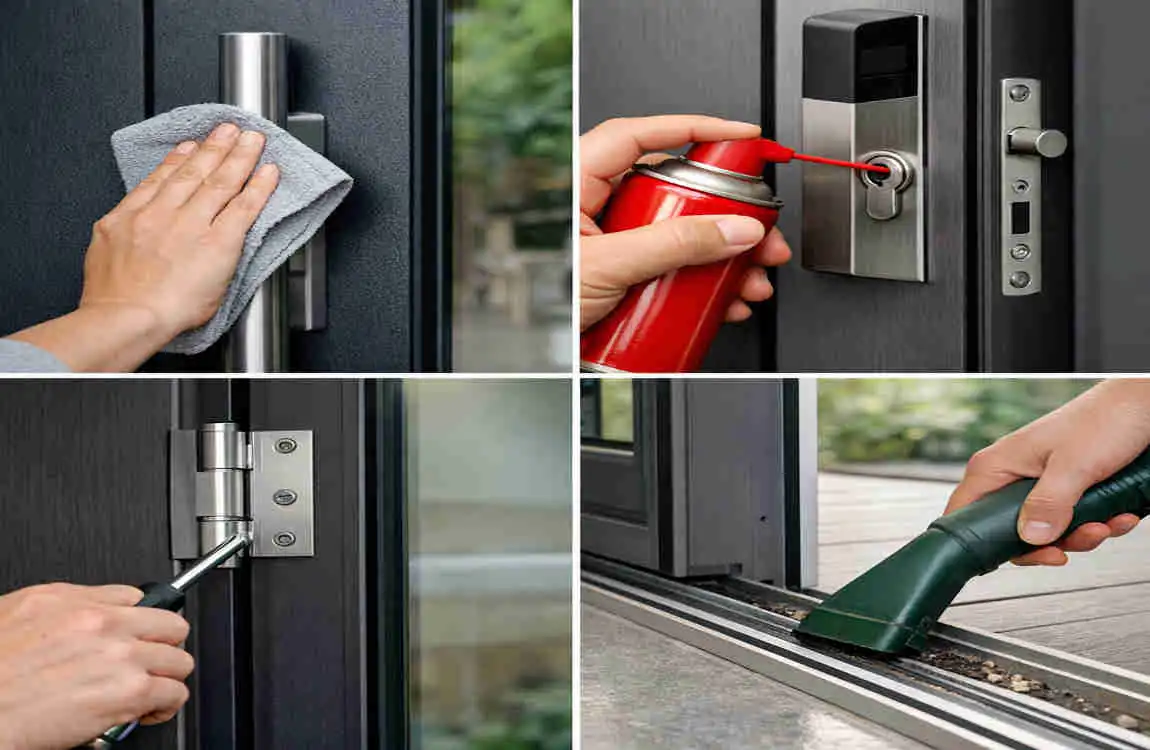
Different materials need different care, but a few habits help across the board.
- Clean the door according to its material
- Check hinges, handles, locks, and tracks
- Inspect weatherstripping on exterior doors
- Refinish or reseal wood when needed
- Keep sliding tracks free of dirt
- Check glass for damage
- Fix sticking or drafts early
Good maintenance helps the door look better and last longer.
Frequently Asked Questions
What are architectural design doors?
Architectural design doors are doors created with attention to a home’s style, proportions, materials, hardware, and function.
What is the most popular modern door design?
Popular modern styles include minimalist, oversized, pivot, sliding glass, and flush doors. The best choice depends on the home.
Which material is best for architectural design doors?
Wood, steel, fibreglass, aluminium, and glass all have strengths. The best material depends on appearance, durability, security, and location.
Are architectural doors more expensive?
They can be. Cost depends on size, material, customisation, glazing, hardware, and installation needs.
Are glass architectural doors suitable for homes?
Yes, if you choose the right type of glass and think about privacy, safety, and insulation.
How do I choose a door for a modern home?
Look for clean lines, simple finishes, proper proportions, durable materials, and good hardware.
Can architectural doors improve curb appeal?
Yes. A strong front door can make a big difference in how the home looks from the street.
What should I consider before installing a large architectural door?
Think about structural support, space, weather exposure, door weight, security, insulation, and professional installation.
| Element | Modern Architectural Door Ideas |
|---|---|
| Main Style | Clean lines, simple shapes, and minimalist designs |
| Popular Materials | Wood, glass, steel, aluminum, and fiberglass |
| Best Colors | Black, natural wood, white, gray, and bold accent shades |
| Glass Doors | Bring natural light into entryways and create an open feel |
| Wooden Doors | Add warmth, texture, and timeless character |
| Modern Double Doors | Create a grand and welcoming entrance |
| Energy Efficiency | Choose insulated doors with quality seals for better comfort |