Modern homes today are about more than looks. They combine style, comfort, technology, and sustainability in ways that fit real life.
When people talk about modern architecture trends, they usually mean the latest ideas shaping how homes are designed, built, and lived in. These trends include open layouts, clean lines, smart home features, energy-saving design, and better indoor-outdoor flow.
Modern Architecture Trends Shaping Today’s Homes
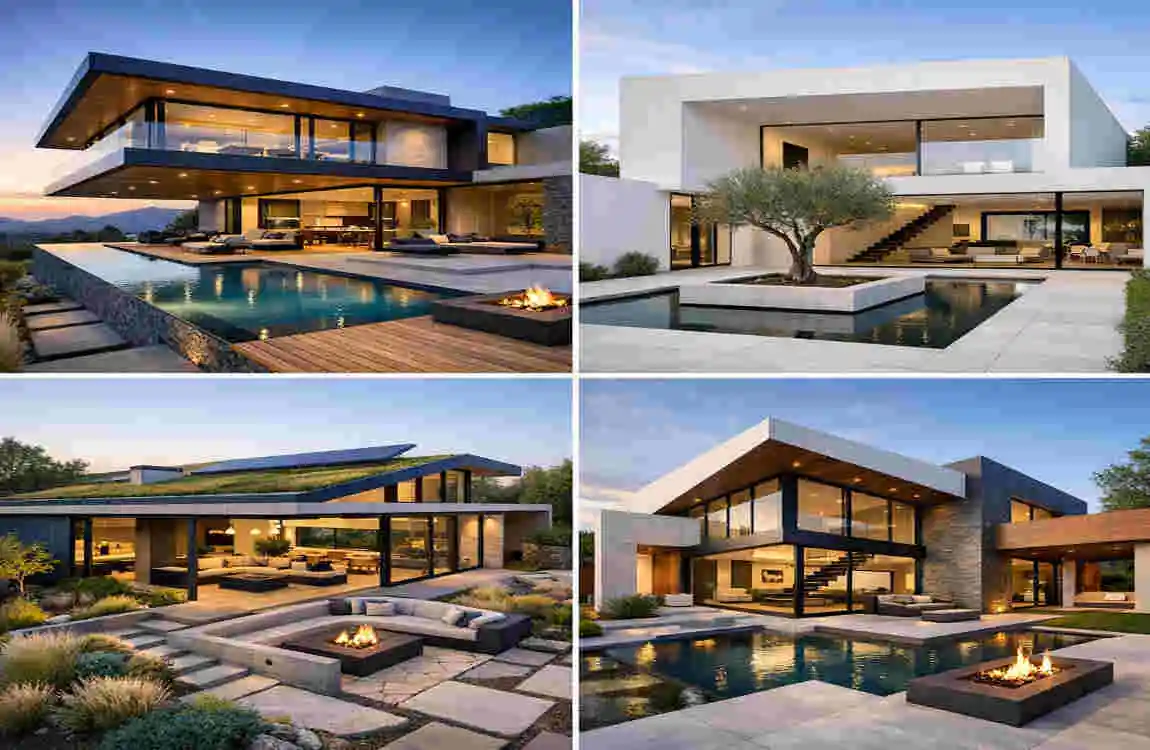
Open-Concept and Flexible Floor Plans
Open floor plans remain very popular because they make homes feel larger and more connected. Living, dining, and kitchen spaces often blend into a single open area.
This kind of layout works well for everyday life. It helps families stay connected and makes entertaining easier. At the same time, many homeowners now want flexible spaces that can serve multiple purposes.
You may see movable partitions, sliding panels, or furniture that helps divide a room without closing it off completely. The key is finding the right balance between openness and privacy.
Clean Lines and Simple Forms
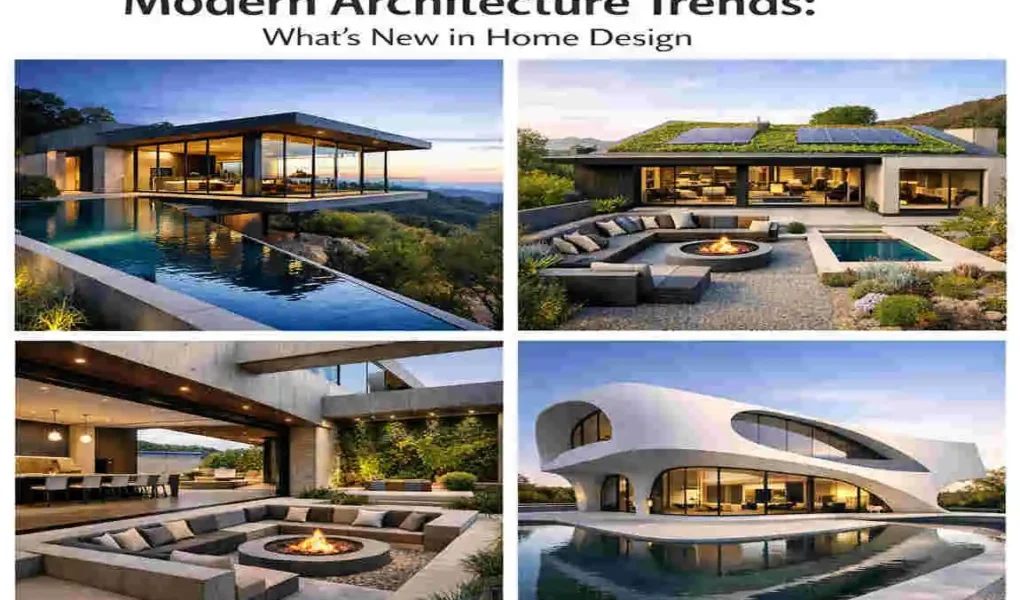
Modern homes often use simple shapes, straight lines, and uncluttered exteriors. Flat roofs, wide windows, and smooth surfaces all fit this style well.
This clean look makes a home feel calm and sophisticated. It also helps the house appear more open and organized, even if the footprint is not very large.
Instead of heavy ornamentation, modern design usually focuses on form, proportion, and function.
Indoor-Outdoor Living
Another major trend is the connection between indoor and outdoor spaces. Many homes now use large sliding glass doors, patios, balconies, and covered outdoor rooms to extend the living area.
This creates a smoother flow between the house and the yard. It also brings in more natural light and fresh air.
Landscaping now plays a bigger role in the design too. Outdoor areas are no longer an afterthought. They are part of the home’s overall look and lifestyle.
Sustainable and Energy-Efficient Home Architecture
Eco-Friendly Building Materials
Sustainability is no longer a niche idea. It is a major part of modern design.
Many homeowners and builders now choose materials that are recycled, renewable, or locally sourced. Common examples include reclaimed wood, recycled metal, stone, and sustainable composites.
These materials can reduce environmental impact while still looking beautiful. They also help create homes that feel more natural and grounded.
Energy-Efficient Home Design
Modern architecture also focuses on cutting down energy use. Good insulation, efficient windows, natural ventilation, and passive solar planning all help a home perform better.
This matters because a well-designed house can stay cooler in summer and warmer in winter while using less energy. Over time, that can lower utility bills and make the home more comfortable.
Today, energy efficiency is not just a bonus. For many homeowners, it is a core design goal.
Solar and Renewable Energy
Solar panels are becoming a more common part of modern home design. They can be built into the roofline or placed in a way that still looks clean and intentional.
Battery storage and energy-efficient electrical systems also support this shift. These features allow homeowners to use renewable energy more effectively and plan for the future.
As energy prices rise, renewable systems continue to gain attention.
Smart Technology in Modern Home Design
Smart Home Systems
Smart technology is now a major part of modern architecture trends. Lighting, security, heating, cooling, and appliances can all be integrated into a single system.
Many homeowners like the convenience of controlling everything from a phone or voice assistant. But the best smart design is subtle. It should improve life without making the home feel overly technical.
Smart Lighting and Climate Control
Automated lighting systems can adjust brightness based on time of day or room use. Smart thermostats can help manage comfort and reduce waste.
Some homes also use zoning, which means different areas of the house can be heated or cooled separately. That adds both comfort and efficiency.
These systems are useful, practical, and easy to blend into a modern home.
Future-Ready Home Design
Modern homes are increasingly planned to handle future technology. That may mean extra charging spaces for electric vehicles, stronger home networks, or flexible electrical layouts.
Planning matters. A home should be ready for the next generation of tools without losing its architectural beauty.
Popular Modern Exterior Architecture Ideas
Large Windows and Natural Light
Oversized windows are among the most recognizable features of modern architecture. They bring in daylight, connect the home to the outdoors, and make rooms feel more open.
Natural light can improve the look and feel of nearly every room. It can also reduce the need for artificial light during the day.
Still, privacy matters. In many homes, homeowners use window treatments, landscaping, or strategic window placement to keep the balance right.
Mixed Exterior Materials
Modern homes often combine different materials for added visual interest. A home might mix wood, concrete, glass, brick, stone, or metal.
This contrast helps the exterior feel richer and more layered. It also gives architects more freedom to create a distinctive look.
The best results usually come from materials that complement each other rather than compete with one another.
Minimalist Roof Designs
Flat roofs, shed roofs, and low-slope rooflines are common in modern homes. These shapes create a cleaner silhouette and support the overall minimalist look.
Roof design also affects drainage, energy performance, and climate response. That is why a modern roof should always be chosen with local conditions in mind.
Modern Interior Architecture Trends
Minimalist Interiors
Minimalist interiors are still very popular, but they are no longer cold or empty-looking. Today’s version is more thoughtful.
Clean surfaces, functional furniture, and organized storage help the room feel calm. Neutral backgrounds can then be warmed up with wood, fabric, plants, and a few carefully chosen accents.
This keeps the home simple without making it feel lifeless.
Natural Materials and Warm Textures
Modern homes often soften hard lines with natural textures. Wood, stone, woven fabrics, and textured finishes make the space feel more welcoming.
These materials are important because modern design can sometimes feel too sharp or sterile. Adding texture brings balance and comfort.
You do not need much decoration when the materials themselves add character.
Statement Kitchens and Functional Spaces
The kitchen is now one of the most important rooms in the home. It is not just for cooking anymore. It is also a place for gathering, working, and spending time with family.
Modern kitchens often include large islands, hidden storage, integrated appliances, and streamlined cabinets. These features make the room feel more open and easier to use.
Good lighting and smart workflow matter just as much as appearance.
Small Modern Homes and Space-Saving Architecture
Compact Home Design
Modern architecture works very well in small homes because it values efficiency. Every square foot should serve a purpose.
Architects often use built-in storage, simple layouts, and vertical space to make small homes feel larger. That can make a big difference in daily comfort.
Multifunctional Rooms
A single room may serve more than one purpose. A guest room might also be a home office. A dining area may double as a work zone.
Flexible furniture helps support this approach. Foldable tables, sliding partitions, and storage benches are all useful in compact homes.
Modern ADUs and Detached Living Spaces
Accessory dwelling units, or ADUs, are becoming more common. These smaller living spaces can be used for guests, family members, or even remote work.
They are practical, flexible, and often easier to build than a full second home. Of course, local zoning and building rules still need to be checked first.
How to Choose the Right Modern Architecture Style
Consider Your Lifestyle
Your home should match the way you live. If you entertain often, an open floor plan may work well. If you value privacy, you may prefer more defined rooms.
Think about family size, hobbies, work habits, and how you use your space every day.
Think About the Local Climate
A design that works well in one region may not work as well in another. Sunlight, rainfall, wind, heat, and cold all matter.
For example, homes in hot climates may need shading and ventilation, while those in colder climates may need better insulation and reduced glass exposure.
Balance Style and Function
Modern design should look good, but it also needs to work well. That means planning for maintenance, durability, storage, and comfort.
A beautiful home that is hard to live in is not a good design in the long run.
Plan for the Future
Think beyond today. Your needs may change over time, so flexible rooms and adaptable layouts are smart choices.
It is also wise to consider resale value, aging in place, and future technology updates.
Benefits and Challenges of Modern Architecture Trends
Major Benefits
Modern architecture offers many strengths:
- More natural light
- Better use of space
- Stronger indoor-outdoor flow
- Improved energy efficiency
- Smart technology integration
- A clean, timeless look when done well
These benefits explain why so many homeowners are drawn to modern design.
Common Challenges
There are also some challenges to keep in mind. Large windows may cost more and need more upkeep. Open layouts may reduce privacy. High-end materials and smart systems can raise upfront costs.
The key is to choose features that truly fit your needs, not just what looks trendy.
What’s Next for Modern Home Architecture?
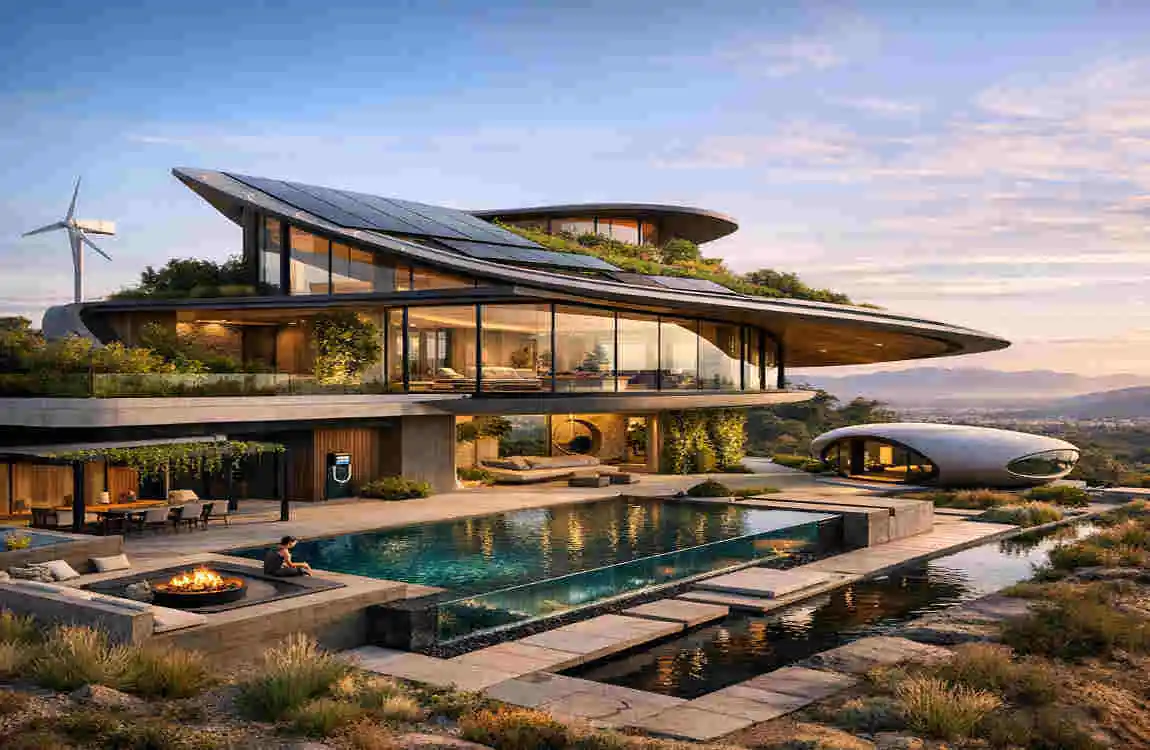
The future of modern home design will likely focus even more on comfort, flexibility, sustainability, and resilience.
Homes will probably become smarter, healthier, and more adaptable. That means more efficient systems, better daylight, improved airflow, and materials chosen with both people and the planet in mind.
Artificial intelligence may also shape how homes respond to daily life. At the same time, floor plans will likely stay flexible so homes can adapt as family needs change.
The future is not just about style. It is about making homes that work better for real life.
Frequently Asked Questions
What are the most popular modern architecture trends?
Open floor plans, large windows, natural materials, sustainable design, smart-home technology, and indoor-outdoor living are some of the most popular trends.
What makes a house look modern?
Clean lines, simple forms, large windows, minimal decoration, contemporary materials, and thoughtful landscaping all help create a modern look.
Is modern architecture energy efficient?
It can be very energy efficient when it includes proper insulation, efficient windows, natural ventilation, passive design, and renewable energy systems.
Are modern homes expensive to build?
Costs vary based on location, size, materials, labor, and technology. Modern design itself does not always mean higher cost.
What materials are commonly used in modern architecture?
Glass, concrete, steel, wood, stone, brick, and modern composite materials are all commonly used.
How can I make an existing house look more modern?
You can update lighting, simplify landscaping, improve window style, refresh finishes, and create cleaner interior layouts.
Are modern architecture trends suitable for small homes?
Yes. Minimal layouts, multifunctional rooms, built-in storage, and natural light work especially well in smaller homes.
What is the future of modern home design?
The future will likely focus on sustainable construction, smart technology, energy efficiency, flexible spaces, and healthier interiors.