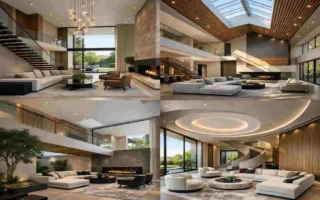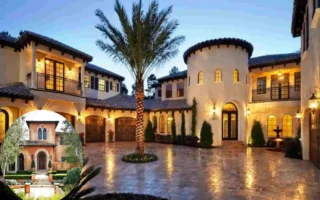
Architectural walls are no longer limited to separating one room from another. Today, they can become important design features that improve privacy, control light, reduce noise, define spaces, and add personality to a home or commercial building.
A well-designed wall can completely change how a room looks and feels. A simple wood-slat wall can add warmth, while a glass partition can keep an open-plan space bright. Stone, brick, concrete, metal, and decorative panels can also create very different visual effects.
What Are Architectural Walls?
Definition of Architectural Walls
An architectural wall is a wall that contributes to both the function and appearance of a building. It may provide structural support, divide spaces, improve privacy, control sound, or create a strong visual feature.
Unlike a basic wall that may only separate two rooms, an architectural wall is often intentionally designed as part of the overall architecture.
For example, a plain partition can divide a living room from a dining area. A decorative partition with wood slats can divide the same spaces while also creating texture and visual interest.
Architectural walls can be structural or non-structural. Structural walls help support parts of a building, while non-structural walls are mainly used for dividing, decorating, or organizing spaces.
Why Are Architectural Walls Important?
A thoughtfully designed wall can serve several functions at once.
It can define spaces without completely closing them off, create privacy, improve acoustics, support lighting, and establish a focal point.
For example, a wall between a kitchen and living room does not always need to be completely solid. A partial wall, glass partition, or slatted screen can create separation while keeping the space visually connected.
This makes architectural walls especially useful in modern homes where open layouts are popular.
Popular Architectural Wall Materials
The material you choose has a major effect on the wall’s appearance, durability, maintenance, and cost.
MaterialAppearanceCommon UseMain Advantage
Brick Warm, classic Interior/exterior Durable
Concrete Modern, industrial Residential/commercial Strong
Stone Natural, premium Feature/exterior Rich texture
Wood Warm, organic Interior Visual warmth
Glass Clean, open Interior Natural light
Metal Contemporary Commercial/interior Modern appearance
Drywall Simple, flexible Interior partitions Easy customization
Brick Walls
Brick is a classic material that continues to work well in both traditional and modern architecture.
Exposed brick walls can add warmth, texture, and character to a room. They work particularly well in living rooms, kitchens, restaurants, and industrial-style interiors.
Exterior brick walls also offer durability and a timeless appearance.
Concrete Walls
Concrete is strongly associated with contemporary and industrial design.
A concrete architectural wall can create a bold appearance with relatively little decoration. Smooth concrete gives a clean modern look, while textured or exposed finishes create more visual depth.
Concrete is also durable, making it suitable for various interior and exterior applications.
Stone Walls
Stone adds a natural and substantial appearance to architecture.
It can be used for exterior walls, fireplaces, entryways, garden walls, and interior feature walls.
Because stone has natural variations in color and texture, each installation can have a distinctive appearance.
Wood Walls
Wood is popular because it brings warmth and natural character into a space.
Wood walls can take many forms, including panels, boards, screens, and slats.
A vertical wood-slat wall is especially useful when you want to create visual separation without completely closing a room.
Glass Walls
Glass walls create an open and bright appearance.
They are especially useful in offices and modern homes where you want to separate areas while preserving visual connection and natural light.
For greater privacy, you can use frosted, textured, or patterned glass.
Metal Walls
Metal can create a contemporary or industrial appearance.
It may be used for decorative screens, interior feature walls, exterior architectural elements, and commercial spaces.
Different finishes can create very different results, from sleek and polished to rough and industrial.
Drywall and Decorative Panels
Drywall remains one of the most flexible choices for interior walls.
It provides a simple surface that can be painted, textured, decorated, or combined with other materials.
Decorative panels can then be added to create patterns, depth, or a more customized architectural appearance.
Modern Architectural Wall Design Ideas
Minimalist Wall Designs
Minimalism focuses on clean lines, simple colors, and limited visual clutter.
A minimalist architectural wall may use a neutral finish, hidden storage, subtle lighting, and simple geometric details.
This approach works particularly well in contemporary homes where the goal is to create a calm and organized atmosphere.
Wood Slat Architectural Walls
Wood slats are one of the most versatile modern wall treatments.
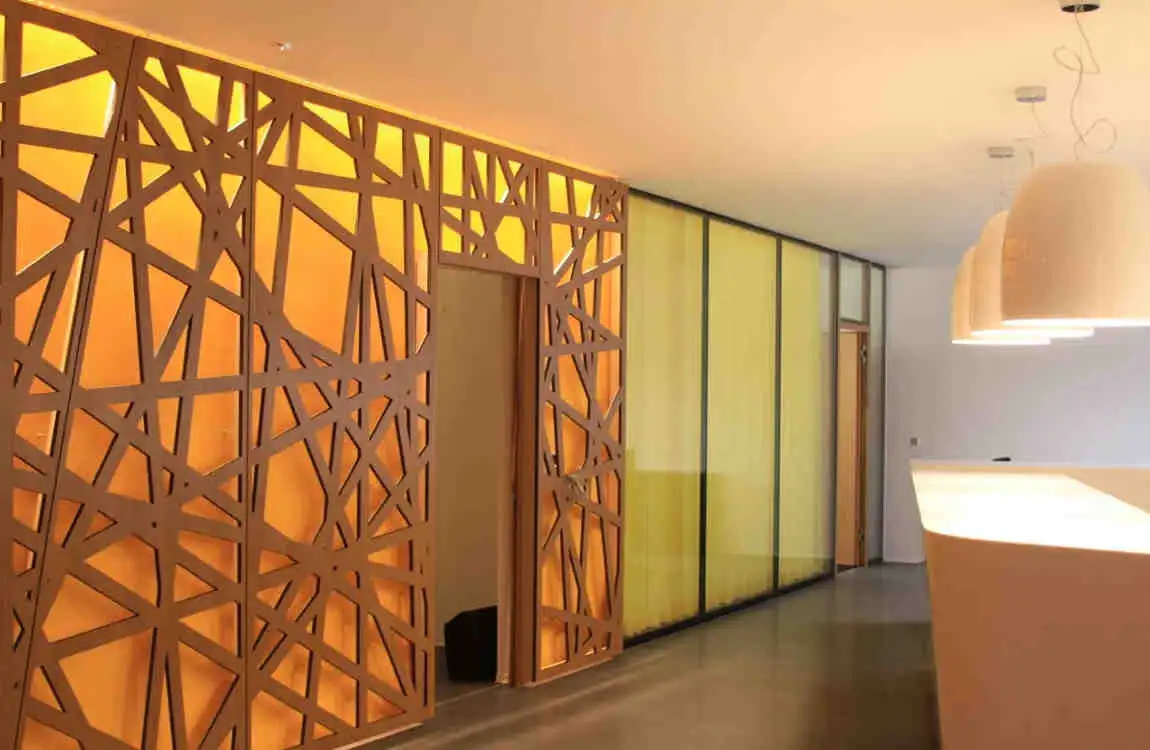
They can divide a room while still allowing some light and visibility through the openings.
You can use them as a living room divider, a bedroom feature wall, an entryway screen, or an office partition.
They also add warmth to spaces that might otherwise feel too plain or cold.
Textured Walls
Texture can make a flat wall much more interesting.
Options include 3D panels, textured plaster, decorative concrete, stone finishes, and patterned surfaces.
When using texture, consider the size of the room. A heavily textured wall may work beautifully as a focal point but can feel overwhelming if used on every surface.
Geometric Wall Designs
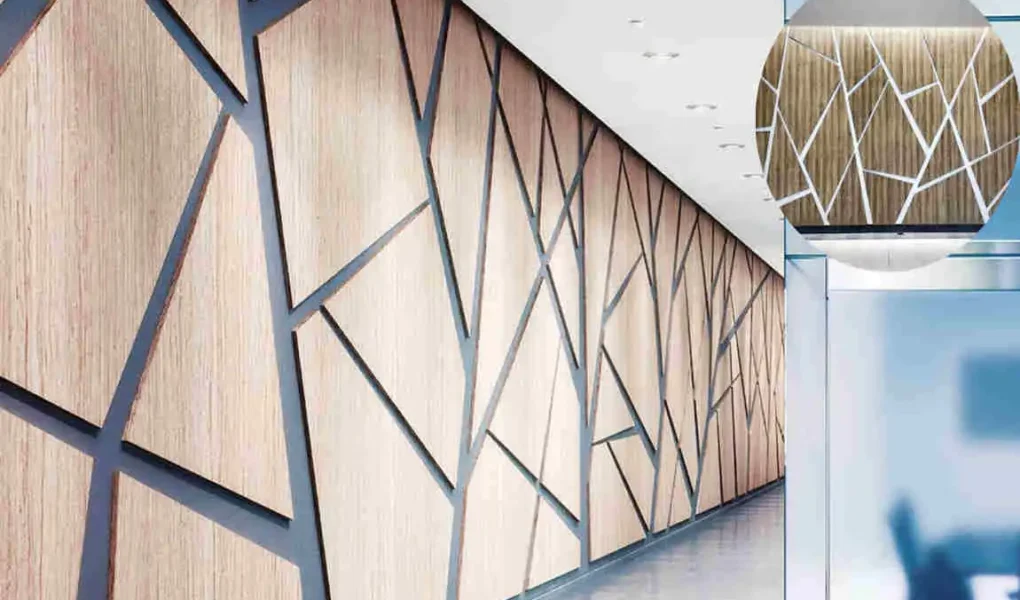
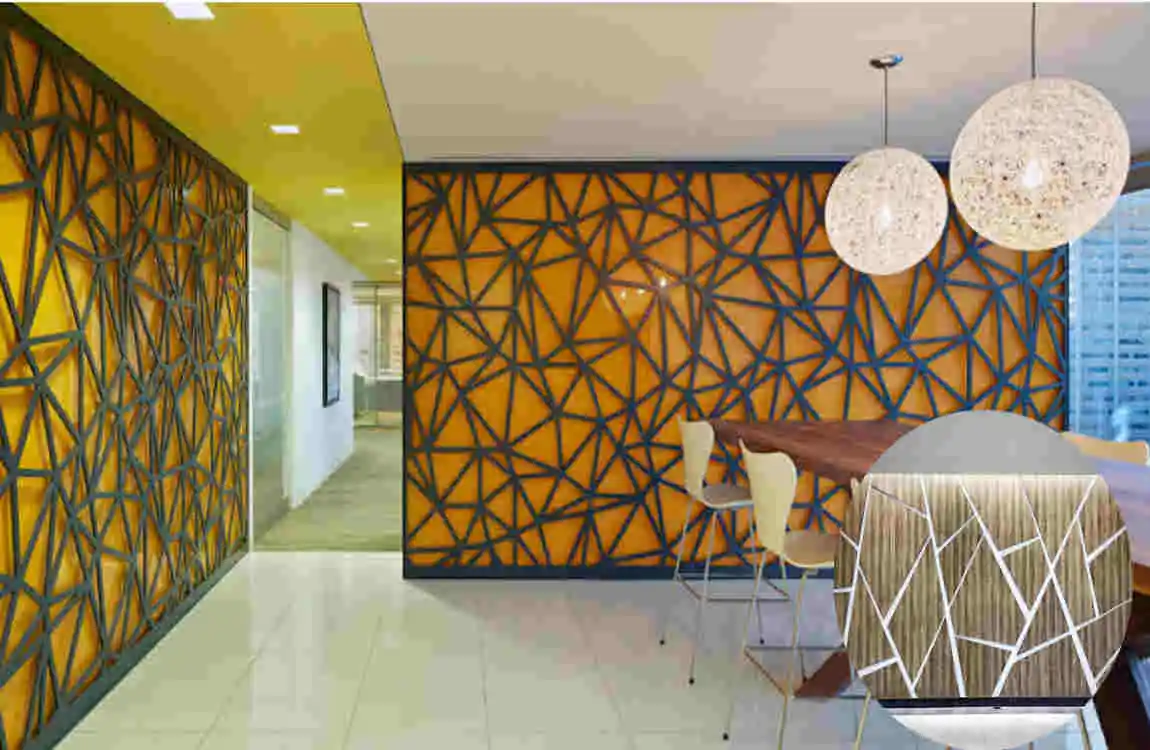
Geometric designs use repeated shapes, lines, angles, or panels to create visual interest.
For example, a wall can feature vertical strips, rectangular panels, diagonal details, or repeated square patterns.
These designs work particularly well in modern living rooms, offices, bedrooms, and entryways.
Curved Architectural Walls
Curved walls can soften the appearance of an interior.
Instead of straight lines and sharp corners, a curved wall creates a more fluid architectural experience.
They can work well in entrances, living areas, hotels, restaurants, and other spaces where you want the architecture itself to make a statement.
Accent Walls With Lighting
Lighting can dramatically improve an architectural wall.
You can use LED strips, recessed lighting, wall washers, or backlit panels to highlight textures and create depth.
A textured stone wall, for example, can look completely different when soft lighting is directed across its surface.
Indoor-Outdoor Architectural Walls
Some modern designs connect indoor and outdoor spaces through similar wall materials and visual details.
A stone wall may continue from an interior living area toward an outdoor patio. Similarly, a garden wall can visually align with an interior feature wall.
This creates continuity and makes the property feel more connected.
Architectural Walls for Different Spaces
Living Room
The living room is one of the best places to introduce an architectural feature.
A TV wall, fireplace wall, stone feature, wood-panel wall, or built-in shelving system can become the room’s focal point.
Choose a design that complements your furniture rather than competing with it.
Bedroom
In bedrooms, architectural walls often work best behind the bed.
Wood panels, upholstered sections, textured surfaces, and soft lighting can create a comfortable focal point.
The bedroom should remain relaxing, so avoid overly complicated patterns to maintain a calm atmosphere.
Kitchen
Kitchen walls can combine decoration with practical function.
A backsplash wall, partial partition, or decorative wall between the kitchen and dining area can add character.
In open-plan homes, a partial architectural wall can also define the kitchen without completely separating it from the rest of the living space.
Bathroom
Bathrooms require materials that can handle moisture and regular cleaning.
Decorative tile, stone-look surfaces, waterproof panels, and suitable glass are popular choices.
A privacy wall can also help separate the shower, toilet, or vanity area.
Office
Offices often use glass partitions, acoustic walls, branding walls, and decorative panels.
Glass helps maintain an open feeling, while acoustic materials can help reduce unwanted sound.
Outdoor Areas
Exterior architectural walls can be used for gardens, patios, balconies, entrances, and outdoor entertainment spaces.
Common applications include privacy screens, garden walls, retaining walls, and patio dividers.
Benefits of Architectural Walls
One of the biggest benefits of architectural walls is their ability to combine practical and visual functions.
A well-designed wall can:
- Improve the appearance of a room
- Create better space organization
- Increase privacy
- Help manage sound
- Control light and visibility
- Add texture and character
- Create a strong focal point
- Provide durable design features
Architectural walls can also make a space feel more intentional. Instead of having large blank surfaces, you can use walls to support the overall design concept.
How to Choose the Right Architectural Wall
Consider the Purpose
Start by asking what you need the wall to accomplish.
Are you trying to divide a room, add privacy, improve acoustics, create a decorative feature, or provide structural support?
Once the purpose is clear, selecting the right wall type becomes much easier.
Choose the Right Material
Think beyond appearance.
Consider durability, maintenance, moisture resistance, installation requirements, and budget.
A material that looks beautiful may not be suitable for a high-moisture bathroom or a heavily used commercial space.
Think About Room Size
Room proportions matter.
Large rooms can usually handle stronger textures and larger architectural features. Smaller rooms may benefit from lighter colors, open partitions, glass, or simpler designs.
A wall should complement the size of the space rather than make it feel smaller.
Consider Lighting
Think about how natural and artificial light will interact with the wall.
Some materials look best under directional lighting, while others work well with soft ambient light.
If your wall includes texture, suitable lighting can emphasize its depth.
Match the Overall Architecture
Your wall should look like part of the building rather than an unrelated decoration.
For example, a warm wood feature can complement a modern home, while rough stone may work particularly well with rustic or natural architecture.
Set a Realistic Budget
Remember to consider more than the material price.
Your total cost can include labor, surface preparation, installation, finishing, lighting, framing, and future maintenance.
Common Mistakes to Avoid
Overdesigning the Wall
More decoration does not always mean better design.
Combining too many patterns, materials, colors, and lights can make a room feel busy.
Choose one primary feature and let it stand out.
Ignoring Proportions
A large feature may overpower a small room, while a tiny design may disappear in a large space.
Always consider wall width, ceiling height, furniture size, and room dimensions.
Choosing Materials Only for Appearance
A beautiful material still needs to be practical.
Before choosing it, consider cleaning, moisture, scratches, durability, and maintenance.
Poor Lighting
Even an attractive architectural wall can lose its impact if the lighting is poorly planned.
Think about shadows, brightness, and the direction of light.
Ignoring Function
Design should never completely replace practicality.
If a wall divides a room, make sure it does not create difficult pathways or block necessary storage, ventilation, or light.
Skipping Professional Advice for Structural Changes
Never assume a structural wall can be removed or altered safely.
Structural changes can affect a building’s stability and should be properly evaluated before work begins.
Frequently Asked Questions About Architectural Walls
What are architectural walls?
Architectural walls are walls intentionally designed to provide functional and visual value. They can divide spaces, provide privacy, support a building, improve acoustics, or create decorative focal points.
What are the most common types of architectural walls?
Common types include structural walls, partition walls, feature walls, privacy walls, retaining walls, and decorative architectural walls.
The best type depends on whether your priority is structural support, space division, privacy, landscaping, or appearance.
What materials are commonly used for architectural walls?
Popular architectural wall materials include brick, concrete, stone, wood, glass, metal, drywall, and decorative panels.
Each material has distinct strengths in appearance, durability, maintenance, and cost.
Are architectural walls only used outdoors?
No. Architectural walls are widely used in both interior and exterior architecture.
Inside a home, they can create feature walls, room dividers, TV walls, and decorative surfaces. Outside, they can provide privacy, retain soil, define gardens, or enhance patios.
What is the best material for an architectural feature wall?
There is no single best material.
Your choice should depend on room location, design style, maintenance requirements, durability, and budget.
Wood can create warmth, stone can provide natural texture, while concrete can produce a modern industrial appearance.
| Wall Type | Modern Design Idea | Best For |
|---|---|---|
| Feature Wall | Textured panels, stone, or bold paint | Living rooms & bedrooms |
| Glass Wall | Clear or frosted glass with slim frames | Offices & open-plan homes |
| Wood Slat Wall | Vertical wood slats with warm finishes | Modern interiors |
| Stone Wall | Natural stone or stone-look cladding | Accent areas & exteriors |
| Brick Wall | Exposed or painted brick | Industrial & modern homes |
| Partition Wall | Lightweight panels or decorative screens | Dividing open spaces |
| Curved Wall | Smooth rounded shapes for a soft look | Contemporary interiors |
| Living Green Wall | Plants integrated into a wall system | Eco-friendly spaces |
| Textured Wall | 3D panels, plaster, or geometric patterns | Feature areas |
| Retaining Wall | Modern concrete, stone, or block finishes | Gardens & outdoor spaces |