Landscape architecture is about much more than planting flowers or making a yard look attractive. It combines design, nature, planning, and practical use to create outdoor spaces that are beautiful, comfortable, useful, and sustainable.
From a small residential garden to a large public park, landscape architecture can transform the way people experience the outdoors. It considers everything from plants and walkways to drainage, lighting, seating, water management, and long-term maintenance.
What Is Landscape Architecture?
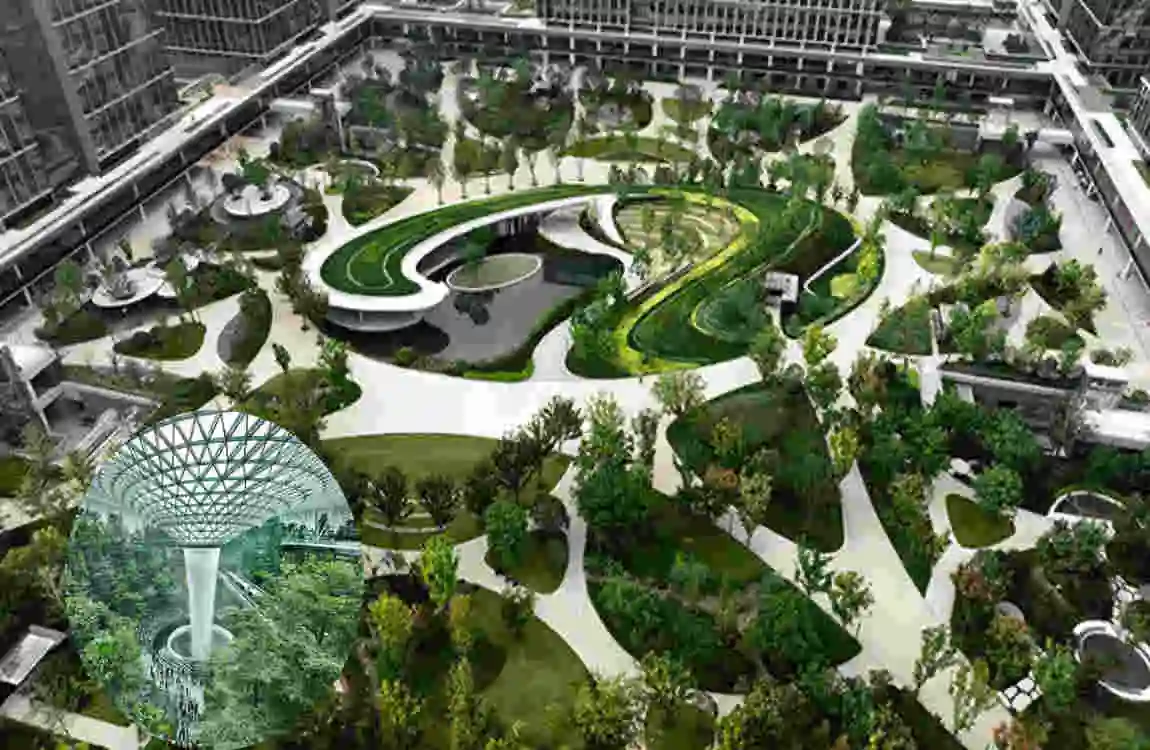
Landscape Architecture Definition
Landscape architecture is the professional planning and design of outdoor spaces. It brings together natural elements such as plants, soil, water, and trees with built features such as patios, paths, walls, lighting, and outdoor structures.
Unlike basic gardening, landscape architecture looks at the entire site. It considers how people move through the space, how water flows, how plants will grow, and how the landscape will perform over time.
What Does a Landscape Architect Do?
A landscape architect studies the property and develops a plan that matches its purpose and physical conditions. Their work may include:
- Studying soil, sunlight, drainage, and topography.
- Planning outdoor areas and circulation.
- Selecting suitable plants and materials.
- Designing drainage and water-management systems.
- Creating sustainable landscape solutions.
- Coordinating with architects, engineers, and contractors.
The goal is to create an outdoor environment that works well rather than simply looking good.
Landscape Architecture vs. Landscaping
FeatureLandscape ArchitectureLandscaping
Main focus Complete outdoor planning and design Planting and outdoor maintenance
Scope Residential, commercial, urban, and public spaces Mainly yards and gardens
Planning Detailed site and environmental planning Usually smaller-scale
Professional role Landscape architect Landscaper or gardener
Key Elements of Landscape Architecture
Plants and Vegetation
Plants are one of the most visible parts of landscape design. Trees, shrubs, flowers, grasses, and native plants can add color, shade, privacy, texture, and seasonal interest.
Plant selection should depend on the local climate, soil, sunlight, water availability, and maintenance needs. Choosing plants simply because they look attractive can create problems later.
Native and climate-friendly plants are often easier to maintain because they are better adapted to local conditions.
Hardscape Features
Hardscape refers to the built elements of an outdoor space. These may include patios, walkways, retaining walls, driveways, plazas, and seating areas.
Good hardscape design makes an outdoor area easier to use. A well-positioned walkway can improve movement, while a patio can create a comfortable place for dining or relaxing.
Water Features
Water can add both beauty and practical value. Ponds, fountains, streams, and rain gardens can become attractive focal points.
Modern landscape architecture also uses water-management features to control runoff and reduce flooding or erosion.
Lighting and Outdoor Structures
Outdoor lighting improves safety and extends the use of a landscape after sunset. Pathway lights, accent lights, and entrance lighting can highlight important areas.
Structures such as pergolas, gazebos, outdoor kitchens, and covered seating areas can also make outdoor spaces more comfortable and useful.
Color, Texture, and Form
A successful landscape combines different colors, textures, shapes, and heights. Plants can provide soft natural forms, while stone, concrete, wood, and metal can add structure.
The best designs create visual balance without making the space feel crowded.
Popular Landscape Architecture Trends
Sustainable Landscape Design
Sustainability has become an important part of modern landscape architecture. Designers increasingly use native plants, efficient irrigation, environmentally friendly materials, and natural water-management methods.
The goal is to create attractive spaces while using fewer resources.
Low-Maintenance Outdoor Spaces
Many property owners prefer landscapes that do not require constant attention. Drought-tolerant plants, perennial vegetation, efficient irrigation, and simpler layouts can reduce maintenance.
This approach is especially useful for busy homeowners and commercial properties.
Outdoor Living Spaces
Outdoor areas are increasingly being treated as extensions of the home. Outdoor kitchens, dining areas, fire pits, comfortable seating, and entertainment spaces can make gardens more functional.
Instead of viewing the backyard as decoration, modern design turns it into a place for everyday living.
Native and Biodiversity-Friendly Planting
Native plants can provide food and shelter for birds, pollinators, and beneficial insects. They can also reduce the need for excessive watering and maintenance.
Biodiversity-friendly landscapes create a healthier relationship between developed properties and nature.
Smart Landscape Technology
Technology is changing outdoor maintenance. Smart irrigation systems can adjust watering based on weather and soil conditions.
Other useful options include soil-moisture sensors, automated irrigation, and smart outdoor lighting. These tools can make landscape management more efficient.
Green Infrastructure
Green infrastructure uses natural systems to manage environmental challenges. Rain gardens, permeable surfaces, bioswales, urban trees, and stormwater features can help control runoff.
These solutions are especially valuable in cities where paved surfaces can increase water runoff and heat.
Benefits of Landscape Architecture
Improves Property Appearance
A well-planned landscape can dramatically improve the appearance of a property. Organized planting, attractive pathways, lighting, and outdoor structures create a stronger visual impression.
For homeowners, this can improve curb appeal and make outdoor areas more inviting.
Increases Outdoor Functionality
Good landscape planning makes outdoor areas easier to use. A properly designed yard can include separate spaces for relaxing, dining, entertaining, gardening, and recreation.
You can enjoy more of your property when every area has a clear purpose.
Supports Environmental Sustainability
Landscape architecture can help manage stormwater, support biodiversity, provide shade, and reduce unnecessary water consumption.
Trees and other vegetation can also help create cooler outdoor environments, particularly in developed areas.
Can Increase Property Value
An attractive and functional outdoor environment can make a property more appealing to potential buyers.
However, the financial impact varies by location, property type, design quality, and market conditions. Landscape improvements should therefore be viewed as both a lifestyle investment and a potential value-enhancing feature.
Improves Comfort and Well-Being
Green spaces can create peaceful environments for relaxation. Trees provide shade, plants soften hard surfaces, and thoughtful layouts encourage people to spend more time outdoors.
A comfortable garden can become a valuable part of everyday life.
Reduces Long-Term Maintenance Problems
Proper planning can prevent many common landscape problems. Good drainage, suitable plants, durable materials, and appropriate grading can make an outdoor space easier to maintain.
Planning is usually better than fixing expensive problems later.
Landscape Architecture for Different Properties
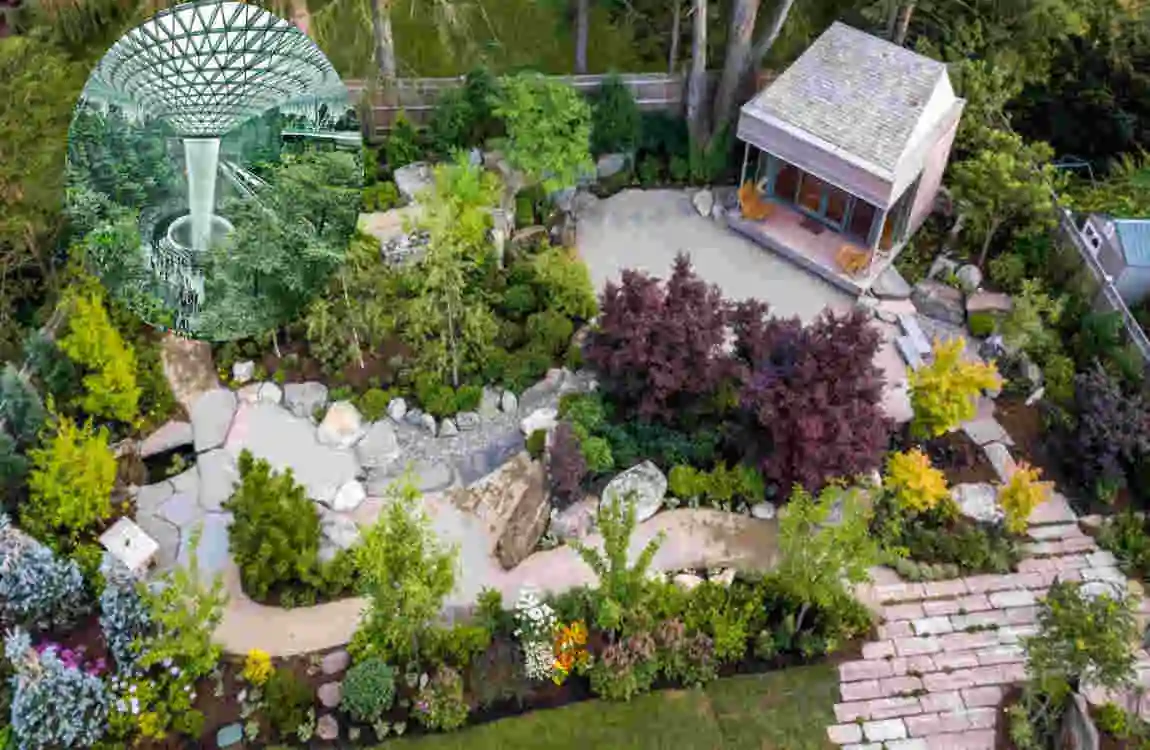
Residential Landscape Architecture
Residential landscape architecture can transform front yards, backyards, gardens, pool areas, patios, and outdoor living spaces.
The design can be customized around the family’s lifestyle, available space, privacy needs, and maintenance preferences.
Commercial Landscape Architecture
Offices, hotels, restaurants, shopping centers, and corporate campuses can all benefit from professional outdoor planning.
A welcoming landscape can improve the appearance of a commercial property while creating comfortable areas for employees, customers, and visitors.
Public and Urban Spaces
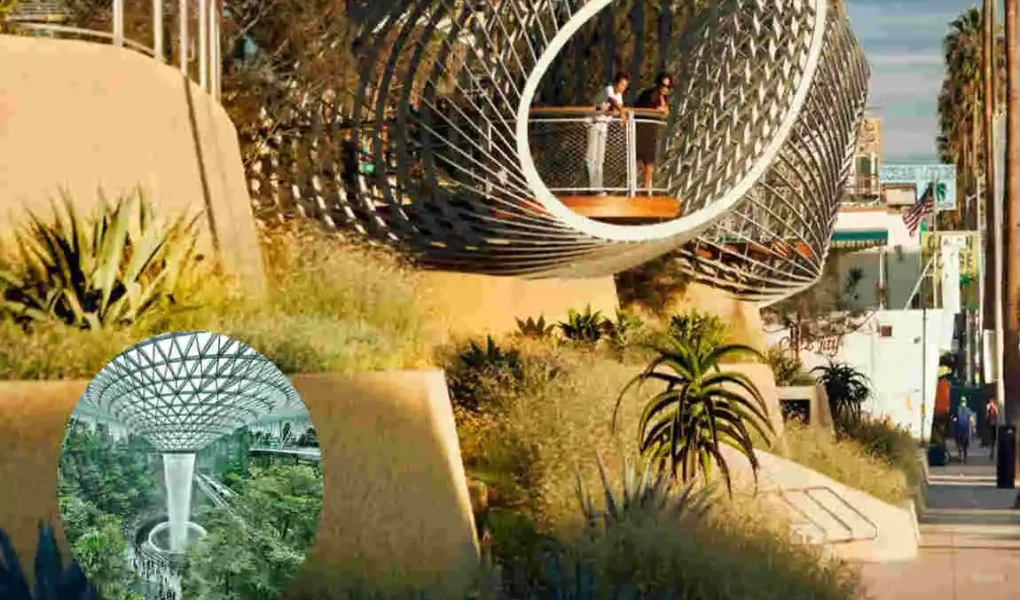
Landscape architects also work on parks, plazas, streetscapes, pedestrian areas, and community gardens.
These projects need to balance appearance, safety, accessibility, environmental performance, and public use.
Sustainable and Community Projects
Large projects may include green corridors, urban forests, recreational areas, and stormwater-management spaces.
These designs can improve community environments while supporting ecological goals.
Frequently Asked Questions About Landscape Architecture
What is landscape architecture in simple terms?
Landscape architecture is the professional planning and design of outdoor spaces. It combines plants, structures, materials, water, and natural features to create useful and attractive environments.
What is the difference between landscape architecture and landscaping?
Landscape architecture generally involves broader planning, site analysis, environmental considerations, and complex outdoor projects. Landscaping often focuses on planting, garden installation, lawn care, and maintenance.
What does a landscape architect design?
A landscape architect may design gardens, parks, plazas, commercial properties, outdoor living areas, streetscapes, and sustainable infrastructure.
Is landscape architecture only for large properties?
No. Landscape architecture can be applied to a small backyard, a townhouse garden, a residential property, a commercial development, or a large public project.
What are the latest trends in landscape architecture?
Popular trends include sustainable design, native planting, outdoor living, smart irrigation, biodiversity-friendly landscapes, and green infrastructure.
How does landscape architecture benefit the environment?
It can help manage stormwater, support wildlife, provide shade, reduce water use, create habitats, and make better use of natural resources.
| Aspect | Key Information |
|---|---|
| What Is Landscape Architecture? | The planning and design of outdoor spaces such as gardens, parks, yards, campuses, and public areas. |
| Main Design Elements | Plants, pathways, lawns, water features, lighting, seating, walls, and outdoor structures. |
| Popular Design Styles | Modern, minimalist, natural, tropical, Mediterranean, and sustainable landscape designs. |
| Current Trends | Native plants, eco-friendly materials, rain gardens, outdoor living areas, smart irrigation, and low-maintenance landscapes. |
| Environmental Benefits | Helps reduce soil erosion, manage stormwater, support biodiversity, improve air quality, and reduce heat. |
| Residential Benefits | Creates attractive outdoor spaces, improves usability, increases privacy, and can enhance property appeal. |