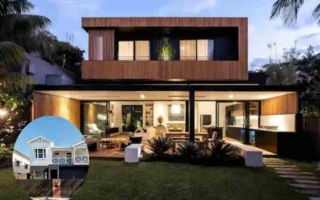
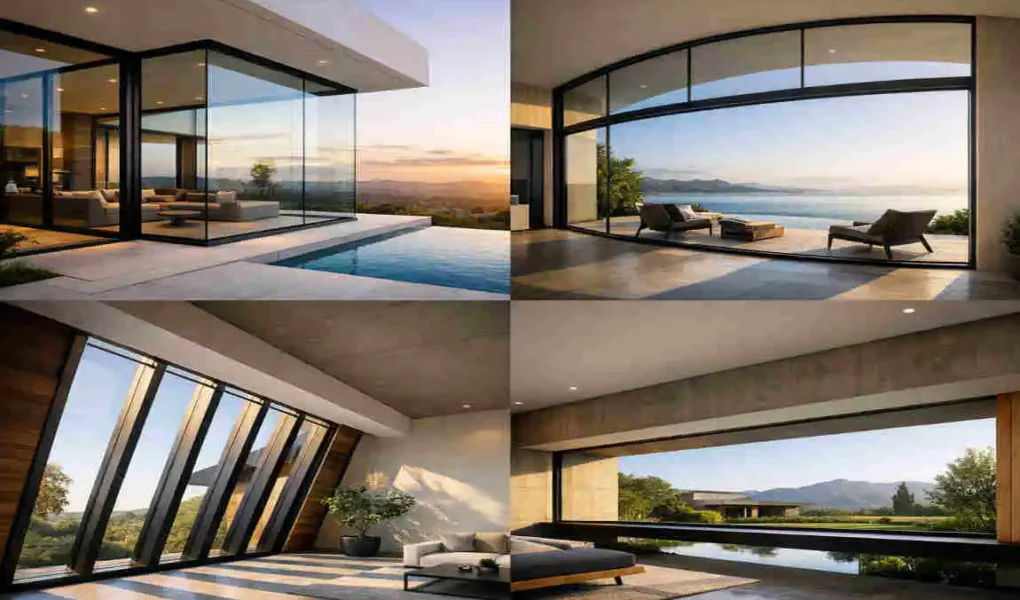
Windows in architecture do much more than let in light. They shape how a home looks, how it feels, and how well it works in daily life. A well-placed window can make a room brighter, cooler, more open, and more comfortable.
In modern homes, windows also serve as design features. They can soften a building’s shape, frame outdoor views, and give the exterior a clean, updated look. When chosen carefully, windows connect the inside and outside in a way that feels natural and calm.
The best window design should match the home’s structure and interior style. It should support natural light, ventilation, privacy, energy efficiency, and curb appeal without feeling forced or oversized.
Modern Window Styles for Contemporary Homes
Floor-to-Ceiling Windows
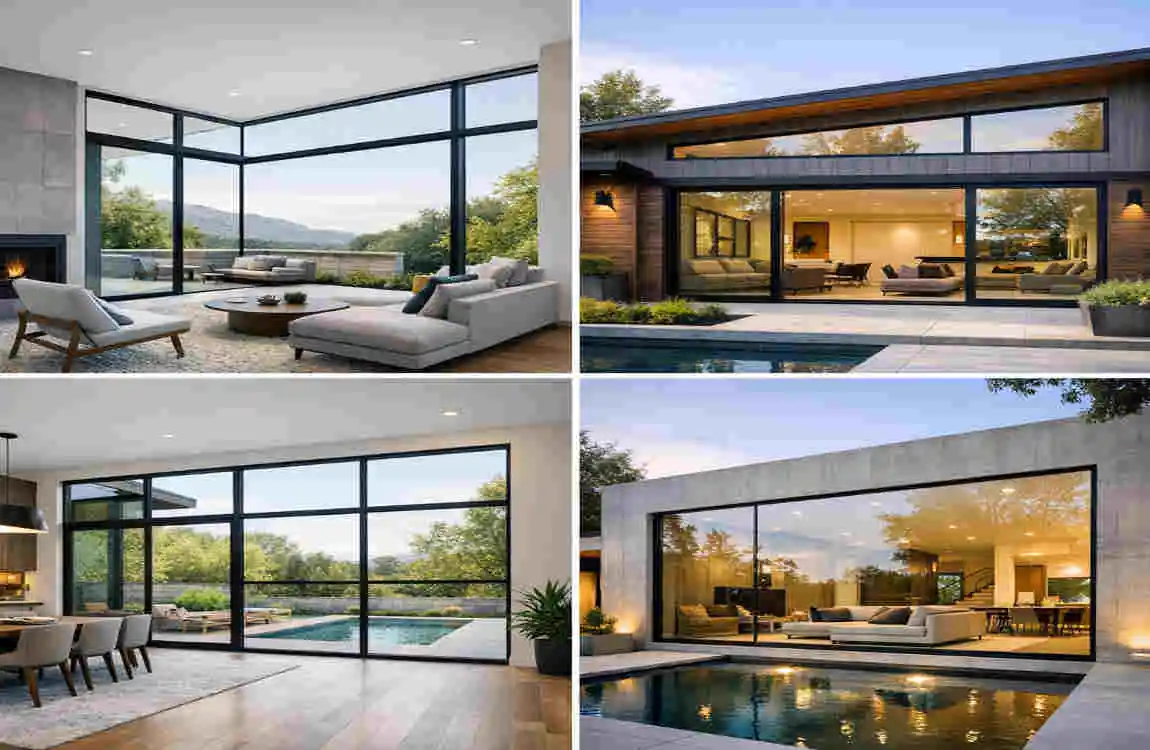
Floor-to-ceiling windows create a strong modern look. They make rooms feel larger and more open by drawing the eye upward from the floor.
These windows work especially well in living rooms, dining areas, and spaces with a view. They bring in a lot of daylight, which helps the home feel bright during the day.
Still, they need careful planning. You should consider privacy, heat gain, glare, and the home’s orientation. In some rooms, these windows work best with curtains, shades, or tinted glass.
Large Picture Windows
Picture windows are fixed windows made to frame a view. They usually have slim frames and a simple look that fit modern design very well.
They are ideal when you want a clear view of a garden, patio, or skyline. Because they do not open, they also help keep the look clean and uncluttered.
The limitation is that they do not provide ventilation. That means you may need to combine them with other operable windows nearby.
Sliding and Folding Windows
Sliding and folding windows are useful in homes that want flexibility and a stronger indoor-outdoor connection. They save space because they do not swing open into the room.
These windows work well in kitchens, family areas, and rooms that open to patios or balconies. They make the space feel more connected and practical.
If you are using them in a busy part of the home, make sure the tracks, hardware, and seals are built well. That helps them stay smooth and secure over time.
Corner and Wraparound Windows
Corner windows are a bold modern choice. They create a dramatic architectural effect and bring light in from two directions.
Wraparound windows can make a room feel more open and can improve the sense of connection to the outdoors. They are often used in homes with modern, clean-lined designs.
Because these windows affect the structure more than standard windows, they need careful planning. The framing and support system must be designed properly from the start.
How Windows in Architecture Improve Home Design
They Shape the Overall Look
Windows affect the face of the home just as much as walls and rooflines do. Their size, shape, and placement can make a house feel balanced, modern, or more traditional.
A row of slim windows can create a sleek look. Large glass openings can make a home feel open and relaxed. Even smaller windows can enhance the design when placed well.
They Bring in Natural Light
One of the biggest benefits of good window design is daylight. Natural light makes rooms feel larger, warmer, and more inviting.
It also helps reduce the need for artificial lighting during the day. That can make the home feel fresher and more energy-conscious.
They Improve Ventilation and Airflow
Operable windows help fresh air move through the home. That can improve comfort and make indoor spaces feel less stuffy.
In kitchens, bedrooms, and bathrooms, airflow matters even more. Good ventilation helps manage heat, moisture, and odours.
They Highlight Architectural Features
Windows can draw attention to staircases, high ceilings, accent walls, or outdoor views. They help guide the eye and add rhythm to the space.
When placed thoughtfully, they make important parts of the home stand out without needing extra decoration.
They Support Privacy
Privacy does not always mean blocking light. The right window placement, glass type, and coverings can keep a room private while still bright.
This matters most in bedrooms, bathrooms, and street-facing spaces. A good design balances openness with comfort.
They Affect the Sense of Scale
Window proportions can change how a home feels. Tall windows can make a room seem higher. Wide windows can make it feel broader. Smaller grouped windows can create a more balanced and cozy effect.
That is why window sizing should always be part of the design plan, not an afterthought.
Best Window Materials and Glass Options
Aluminum Windows
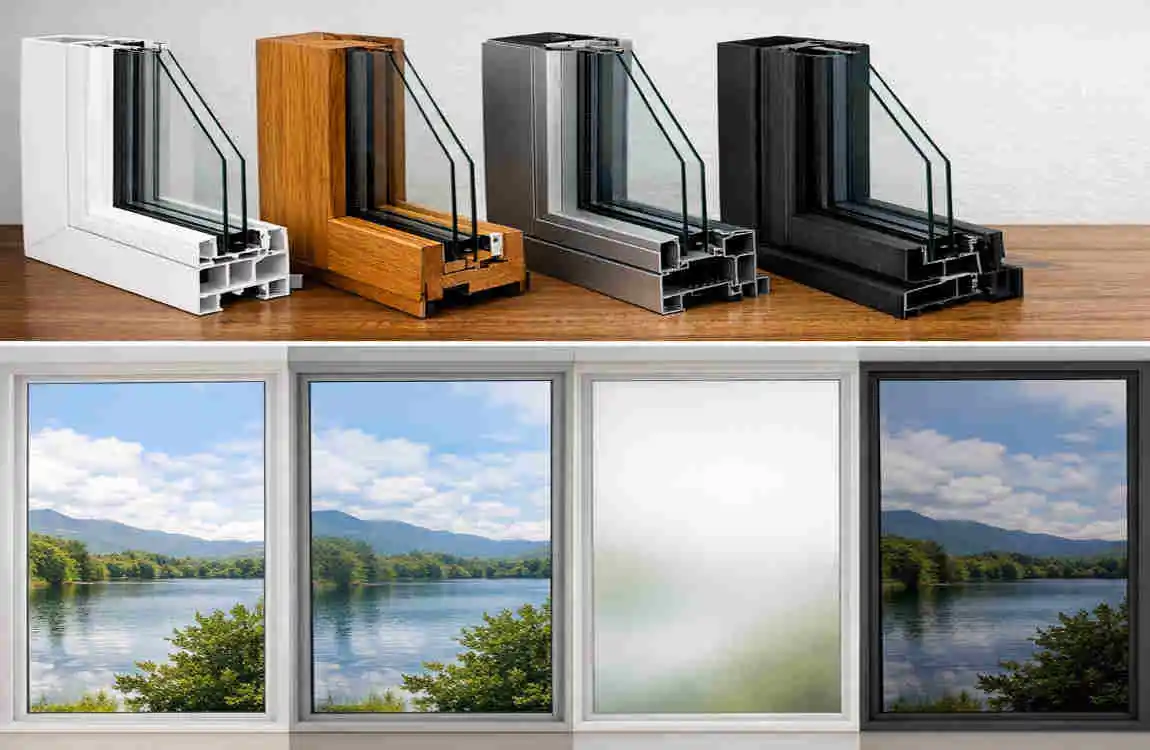
Aluminum windows are popular in modern homes because they have slim frames and a clean appearance. That allows more glass and a less visible frame.
They are also durable and low maintenance. If you want a sleek, modern style, aluminum is often a strong choice.
uPVC Windows
uPVC is often chosen because it is affordable and energy efficient. It is a practical option for homeowners who want good performance without a high cost.
It works well in many modern residential designs, especially when the goal is to balance comfort, value, and easy upkeep.
Wood and Wood-Clad Windows
Wood windows bring warmth into a modern home. They can soften sharp lines and create a more inviting feel.
Wood-clad windows offer a similar look with better exterior durability. The trade-off is maintenance, since wood typically needs more care than aluminum or uPVC.
Energy-Efficient Glass
Glass choice matters as much as frame choice. Double-glazed and triple-glazed options help improve insulation and reduce energy loss.
Low-E glass is another useful choice because it helps control heat transfer. The best option depends on your climate, room use, and how much sun the window gets.
Window Placement Ideas for Different Rooms
Living Room
Living rooms usually benefit from large windows because they bring in light and create a welcoming feel. Fixed windows can be paired with operable ones for ventilation.
If the room has a view, use the window to frame it. That can make the living area feel more connected to the outdoors.
Bedroom
Bedrooms need a balance of daylight, privacy, and comfort. Large windows can work well, but they should not make the room feel exposed.
The best placement often keeps the bed away from direct street view. Curtains or shades also help control light and privacy.
Kitchen
Kitchen windows help with both light and air. Windows above the sink or counters are common because they brighten work areas and make the room feel less closed in.
If possible, choose windows that can open easily. That helps with steam, cooking smells, and everyday comfort.
Bathroom
Bathrooms need privacy first. Frosted, textured, or obscure glass is often a smart choice because it lets in light while keeping the space private.
It is also wise to choose materials that handle moisture well. Bathrooms can be tough on windows if they are not designed for humidity.
Home Office
A home office should feel bright, but not so bright that the light creates screen glare. Window placement matters a lot here.
Try to position windows where they support focus without reflecting too much sunlight onto your desk or monitor.
Key Factors to Consider Before Choosing Architectural Windows
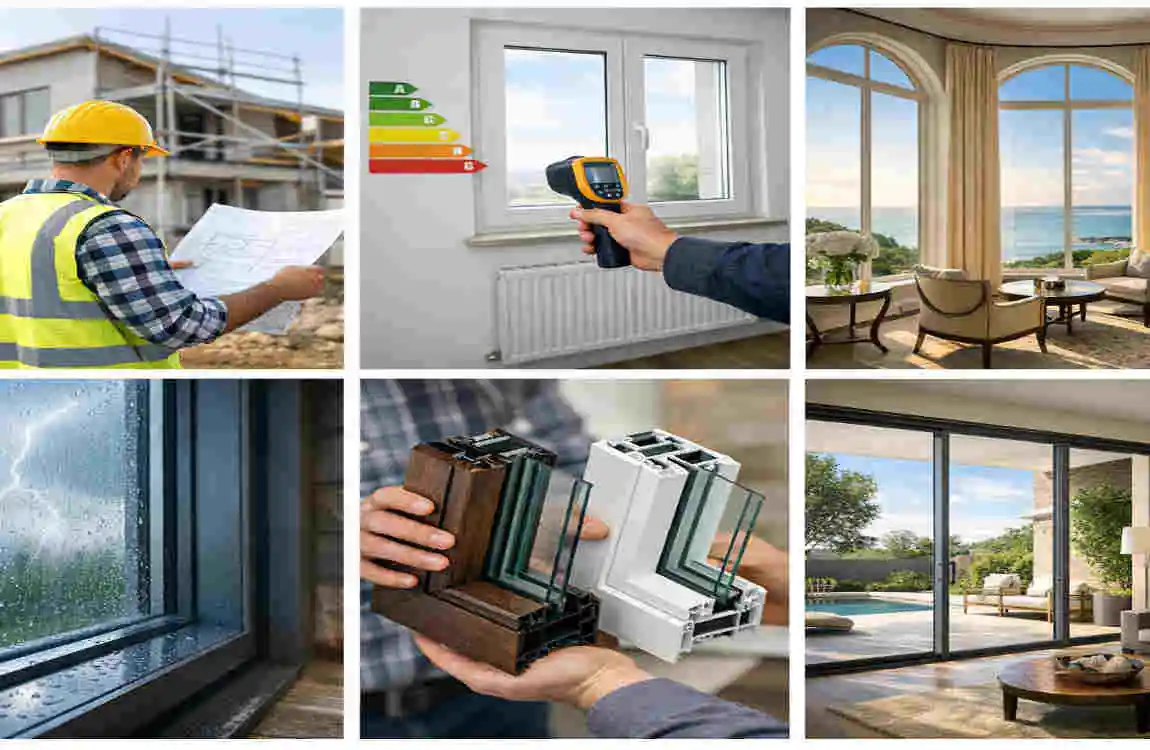
Before you choose a window design, think about these important points:
- Home orientation: Track where the sun rises and sets.
- Climate: Match the window to your weather conditions.
- Energy efficiency: Choose glass and frames that support insulation.
- Privacy: Think about neighbours, streets, and room use.
- Maintenance: Pick materials you can care for easily.
- Security: Use strong frames, locks, and safety glass where needed.
- Budget: Consider both installation costs and long-term energy costs.
- Building rules: Make sure the design meets local safety and structural requirements.
These details may seem small, but they shape the final result in a big way. A beautiful window should also be practical and comfortable.
FAQ About Windows in Architecture
What are windows in architecture?
They are building elements that serve both functional and design purposes. Windows bring in light, allow airflow, support views, and improve the appearance of a home or building.
What is the best window style for a modern house?
Popular options include floor-to-ceiling windows, picture windows, sliding windows, and minimalist framed designs. The best choice depends on room size, privacy, and the look you want.
How do architectural windows improve a home?
They improve natural light, ventilation, views, energy performance, and exterior style. They also help make rooms feel more open and comfortable.
Are large windows energy efficient?
They can be, but efficiency depends on glass quality, frame type, orientation, shading, and installation. Large windows need the right materials to perform well.
Which window material is best for modern homes?
It depends on your priorities. Aluminum offers a sleek look, uPVC is efficient and affordable, and wood adds warmth. Many homeowners compare all three before deciding.
How can I make large windows more private?
Use blinds, curtains, tinted or frosted glass, landscaping, or smart window placement. These options let you keep the light while protecting privacy.
What should I consider when designing windows for a new home?
Think about sunlight, room use, privacy, ventilation, energy performance, climate, safety, and budget. Good window planning starts early in the design process.
| Window Design | Key Feature | Best For |
|---|---|---|
| Floor-to-Ceiling Windows | Maximizes natural light and views | Modern living rooms |
| Large Picture Windows | Clean, wide glass panels | Scenic homes |
| Sliding Glass Windows | Smooth opening with minimal space use | Small modern rooms |
| Black-Framed Windows | Bold, contemporary appearance | Modern exteriors |
| Corner Windows | Creates panoramic views | Luxury modern homes |
| Clerestory Windows | Adds light while maintaining privacy | Bedrooms and bathrooms |
| Awning Windows | Provides ventilation and weather protection | Kitchens and upper floors |
| Bay Windows | Adds depth and extra interior space | Traditional-modern homes |