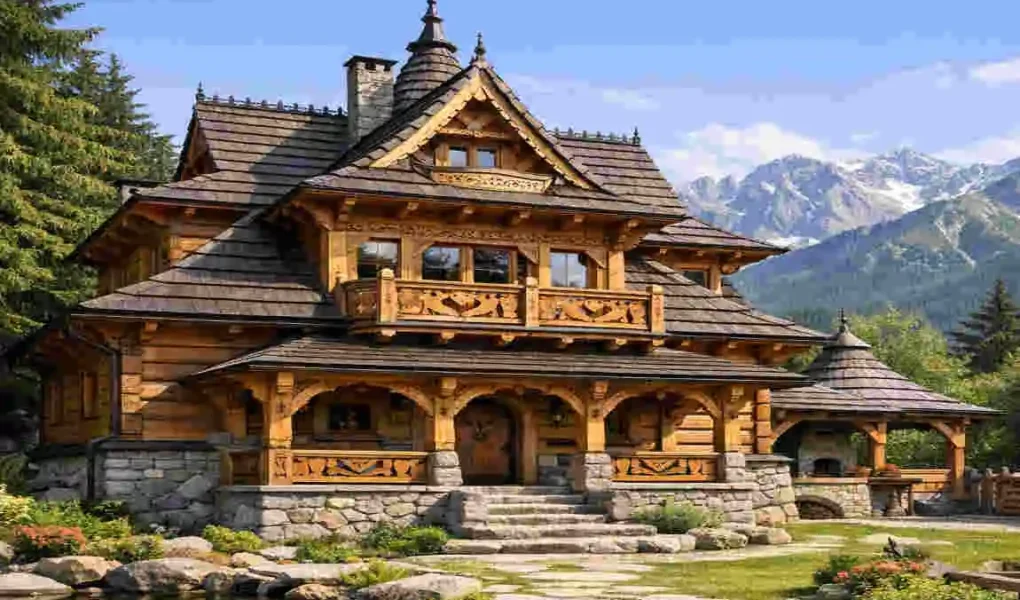
Zakopane-style architecture is a traditional mountain design from Zakopane, Poland, in the Tatra region. It grew from local Highland culture and the practical needs of mountain living. That means it is not only beautiful, but also deeply connected to place, climate, and craftsmanship.
What makes this style special is the way it combines natural wood, stone, steep roofs, and carved details. It feels warm, strong, and close to nature. That is why it still appeals to people who want cabins, lodges, vacation homes, or mountain-inspired houses.
If you love homes that feel authentic and grounded, this style offers a lot to admire. It brings together tradition and function in a way that still feels relevant today.
Origins and History of Zakopane Style Architecture
How the Zakopane Style Began
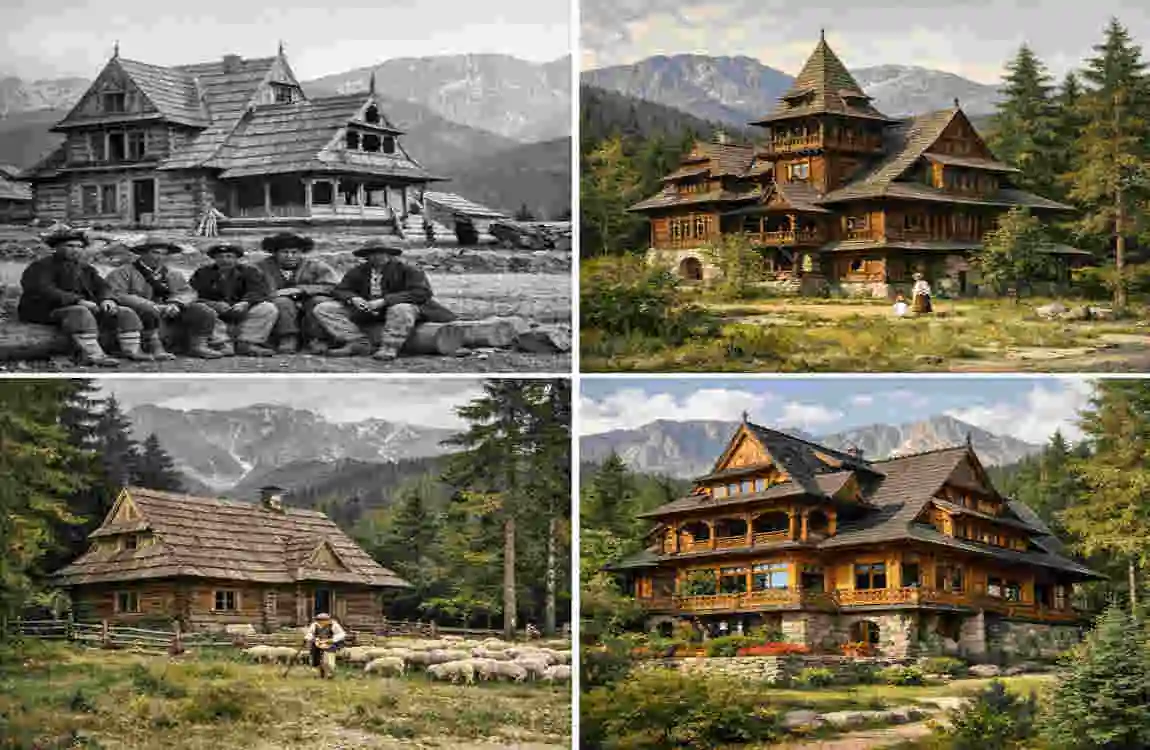
The style began in the late 19th century, when designers started paying close attention to the building traditions of the Podhale region. These local homes were already well suited to the mountain climate, so they became a strong source of inspiration.
Instead of copying city buildings, the style grew from local life. It reflected the materials people had nearby, the weather they faced, and the skills of regional builders.
Stanisław Witkiewicz and the Zakopane Style
One of the most important figures behind this style was Stanisław Witkiewicz. He studied local Highland buildings and helped shape them into a more defined architectural direction.
He did not simply imitate old forms. He refined them and gave them a stronger artistic identity. That is one reason the style became so important in Polish architectural history.
Cultural Importance
Zakopane style architecture is also a cultural symbol. It represents Podhale heritage, mountain craftsmanship, and regional pride. The homes often feel handmade because they were shaped by local tradition rather than mass production.
This connection to culture is a big part of the style’s lasting appeal. It tells a story, not just a visual one.
Key Features of Zakopane Style Architecture
Steeply Pitched Roofs
Steep roofs are among the most recognizable features of this style. In mountain areas, they serve a practical purpose by helping snow slide off more easily.
They also give the building a strong, dramatic outline. That roof shape makes the home look prepared for mountain weather while still feeling elegant.
Natural Wood Construction
Wood is the heart of Zakopane design. You will often see exposed timber walls, beams, balconies, and window frames.
This gives the home a natural warmth. The wood also helps the building blend into the surrounding landscape rather than stand apart from it.
Decorative Carvings
Hand-carved decoration is another signature detail. These carvings may include geometric patterns, floral shapes, and folk-inspired motifs.
The craftsmanship matters as much as the pattern. These details show care, skill, and respect for tradition.
Large Gables and Dormers
Large gables help create the style’s bold mountain character. Dormer windows are often used to bring light into upper rooms and to make the roofline more interesting.
These features are both useful and attractive. They give the building personality without making it feel overly ornate.
Stone Foundations and Details
Natural stone is often used around foundations, chimneys, and other base areas. It gives the home strength and adds visual contrast to the timber.
The mix of stone and wood is one of the reasons the style feels so grounded and balanced.
Materials Used in Traditional Zakopane Architecture
Wood
Wood is the most important material in this style. It provides warmth, texture, and a close connection to the mountain landscape.
Timber can be used structurally, but it also plays a decorative role. That is what makes the style feel both practical and artistic.
Local Stone
Stone adds strength and a sense of permanence. It often appears in lower parts of the building, where durability matters most.
It also gives the design a more natural look. Stone and wood together create a classic mountain combination.
Traditional Roofing Materials
Roofing materials have changed over time, but the visual character should stay close to the original style. The roof should still look strong, steep, and suited to the mountain environment.
Modern roofing can work well if it respects the shape and spirit of the traditional form.
Handmade Decorative Elements
Balconies, railings, doors, and window frames often feature handcrafted details. These small touches help the home feel authentic.
They also remind us that this style is rooted in skilled local artistry.
Interior Design in Zakopane Style Homes
Warm Wooden Interiors
Inside, these homes often continue the same natural feeling seen on the outside. Exposed beams, timber ceilings, and wooden walls create a cozy atmosphere.
This makes the interior feel like a true mountain retreat. The room feels warmer, softer, and more connected to nature.
Traditional Fireplaces
A fireplace is often a key part of the interior. In mountain homes, it is both practical and symbolic.
Stone and wood around the fireplace help strengthen the rustic feel. It becomes a natural focal point in the room.
Furniture and Décor
Furniture in Zakopane-inspired homes often leans toward rustic wood pieces with strong shapes. Decorative textiles, folk patterns, and local-inspired accessories can add character.
The goal is to keep the space comfortable without losing the traditional mood.
Modern Comfort With Traditional Character
You do not need to give up modern living to enjoy this style. A Zakopane-inspired home can still include updated kitchens, modern bathrooms, better insulation, and smart lighting.
The trick is to keep those modern features visually quiet so they do not overpower the traditional feel.
Zakopane Style Architecture vs. Modern Mountain Architecture
Traditional Zakopane homes and modern mountain homes often share the same basic goals. Both want to handle harsh weather, connect to the landscape, and feel welcoming.
But modern design usually uses simpler forms, larger glass areas, and more efficient construction methods. Traditional Zakopane architecture, on the other hand, leans more heavily on carved details, timber expression, and regional identity.
A good modern designer does not copy the old style exactly. Instead, they reinterpret it. That means keeping the spirit of the design while adapting it to modern needs.
Why Zakopane Style Works Well for Mountain Homes
Designed for Harsh Mountain Weather
Mountain homes need strong roofs, durable walls, and good insulation. Zakopane style naturally supports those needs.
Its steep roofs, sturdy materials, and compact mountain form make it both practical and beautiful.
Strong Connection With Nature
This style works because it respects the landscape. Wood and stone feel like they belong in a mountain setting.
Balconies, terraces, and windows often frame views in a way that feels natural rather than forced.
Distinctive Visual Identity
Many mountain homes can start to look similar. Zakopane architecture stands out because of its carved wood, steep rooflines, and regional character.
That makes it a strong choice for cabins, lodges, guest homes, and resorts that want a memorable look.
How to Create a Modern Zakopane-Inspired Home
Start With the Roof and Overall Shape
Begin with the building’s main shape. A steep pitched roof and clear mountain-home proportions do a lot of the work.
If the form is right, the rest of the design becomes easier to build around.
Choose Natural Materials
Use timber, stone, and other materials that feel honest and grounded. Keep the palette simple.
A few well-chosen materials often look better than too many mixed finishes.
Add Traditional Details Carefully
Carved railings, decorative gables, wooden balconies, and handcrafted doors can all bring the style to life.
You do not need to add every possible decorative element. A few good details are often enough.
Plan for Energy Efficiency
Modern homes should perform well, not just look traditional. Good insulation, efficient windows, ventilation, and heating systems are all important.
That way, you keep the style’s beauty without sacrificing comfort.
Common Mistakes to Avoid
Here are a few mistakes that can weaken the look:
- Using too many decorative elements
- Choosing fake-looking materials
- Ignoring the surrounding landscape
- Making the exterior traditional but the interior unrelated
- Forgetting modern insulation and weather protection
- Copying historical buildings without understanding the culture behind them
A respectful design feels more authentic than one that copies surface details.
Benefits and Challenges of Zakopane Style Architecture
Main Benefits
This style has many strengths:
- Unique mountain character
- Strong use of natural materials
- Connection to regional culture
- Cozy interior atmosphere
- Strong visual appeal
- Room for modern interpretation
Potential Challenges
There are also a few things to keep in mind:
- Wood needs regular maintenance
- Custom details can increase craftsmanship demands
- Mountain weather can be hard on exterior materials
- Construction may cost more if handcrafted features are included
- Authenticity and modern standards must be balanced carefully
Sustainable Ideas for Zakopane-Inspired Homes
Zakopane-inspired homes can also be sustainable. The style already works well with local climate and natural materials.
Some smart choices include:
- Using responsibly sourced timber
- Choosing local or regionally appropriate materials
- Improving insulation and airtightness
- Installing energy-efficient windows
- Designing with the climate in mind
- Preserving natural features around the property
- Choosing durable finishes that last longer
These steps help the home stay beautiful and practical for many years.
Where Zakopane Style Architecture Is Most Suitable
This style works especially well in places such as:
- Mountain cabins
- Vacation homes
- Ski lodges
- Boutique hotels
- Mountain restaurants
- Guest houses
- Rural retreats
It can also inspire modern homes in other regions, as long as the design is adapted thoughtfully.
Zakopane Style Architecture: Is It Still Relevant Today?
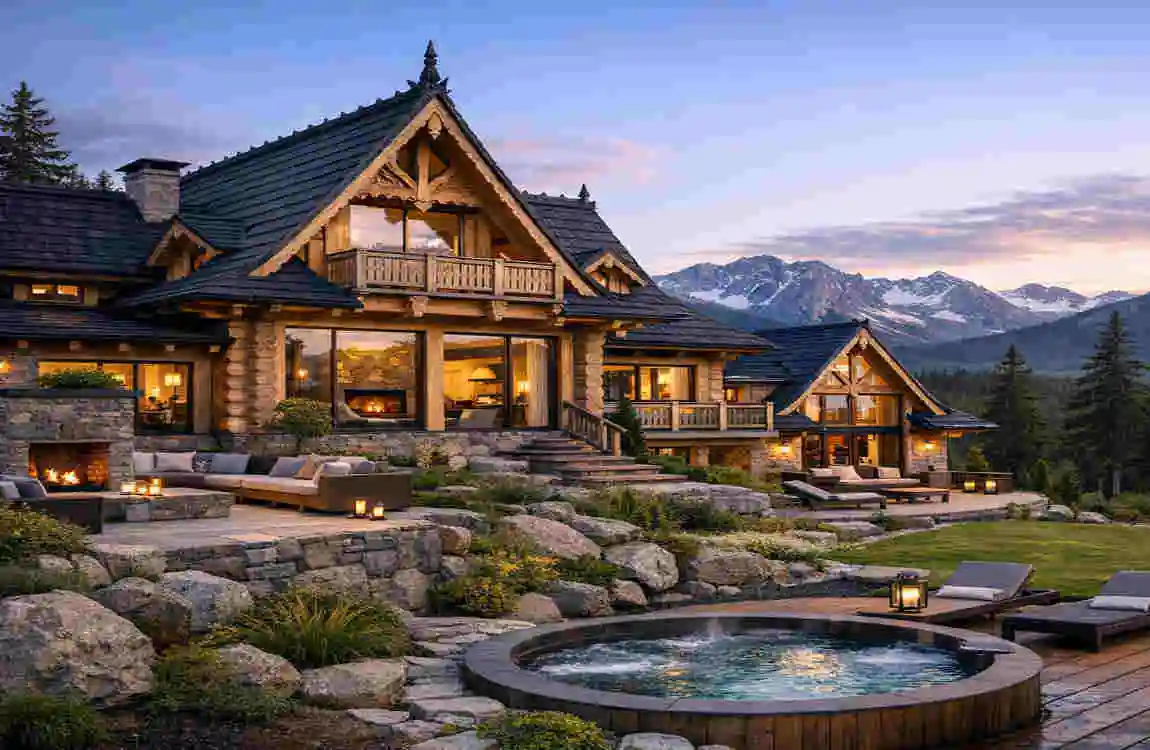
Yes, it is still very relevant. People today are looking for homes that feel natural, personal, and connected to place. That is exactly what this style offers.
It also aligns with modern home values such as sustainability, craftsmanship, and regional identity. Designers can update the layout and performance while keeping the traditional spirit alive.
The best modern examples do not try to freeze the past. Instead, they preserve the style’s feel and adapt it to present-day living.
FAQ
What is Zakopane style architecture?
Zakopane-style architecture is a traditional Polish mountain style from the Zakopane and Podhale regions. It blends local Highland building traditions with distinctive decorative features.
What are the main features of Zakopane style architecture?
Its main features include steep roofs, timber construction, stone details, carved wood, large gables, balconies, and a strong link to the mountain landscape.
Who created the Zakopane architectural style?
Stanisław Witkiewicz is widely credited with shaping and promoting the style in the late 19th century.
What materials are commonly used in Zakopane homes?
Wood and natural stone are the most common materials. They are used for structure, decoration, foundations, and fireplaces.
Is Zakopane style architecture suitable for modern homes?
Yes. It can be combined with modern insulation, efficient windows, updated interiors, and energy-saving systems.
Why are roofs so steep in Zakopane architecture?
Steep roofs help snow slide off in mountain climates and also create the style’s strong, recognizable shape.
Can Zakopane style architecture be sustainable?
Yes. With responsible timber use, good insulation, energy-efficient systems, and climate-aware design, it can be very sustainable.
| Feature | Zakopane Style Architecture |
|---|---|
| Origin | Zakopane, southern Poland |
| Main Influence | Traditional Highlander (Góral) culture |
| Key Material | Natural timber and stone |
| Roof Design | Steep, often decorative wooden roofs |
| Distinctive Details | Carved wood, balconies, ornaments, and regional motifs |
| Overall Look | Rustic, warm, artistic, and mountain-inspired |
| Best For | Mountain homes, cabins, lodges, and cultural buildings |