
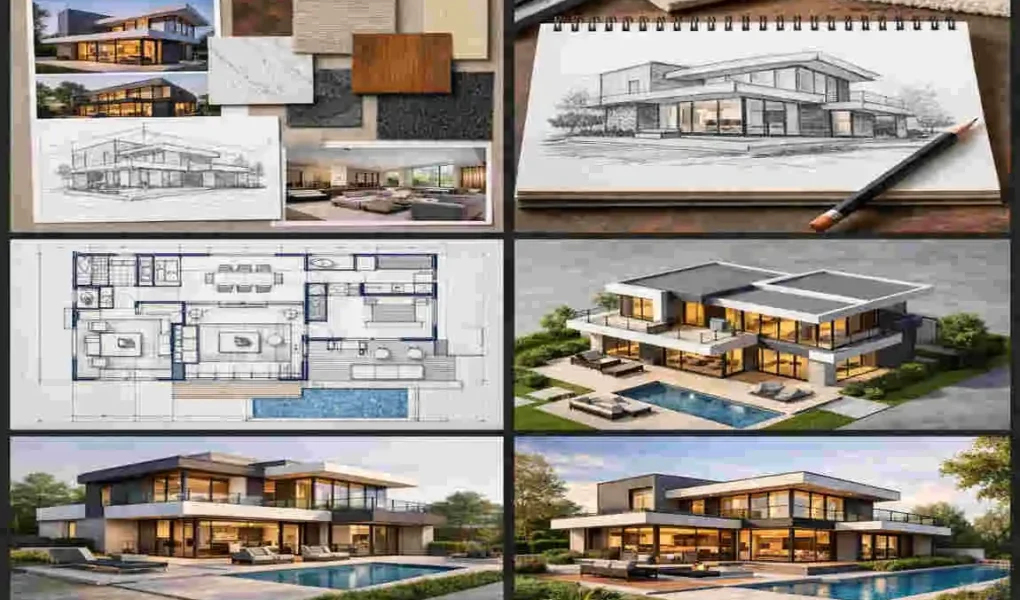
Creating a home is not just about building walls and choosing paint colours. It is about shaping a space that fits your daily life, your budget, and your future needs.
If you are wondering how to design a home, the answer starts with planning. Good design helps your home feel comfortable, practical, and beautiful from the start. It also helps you avoid expensive changes later.
Understand Your Home Architecture Needs
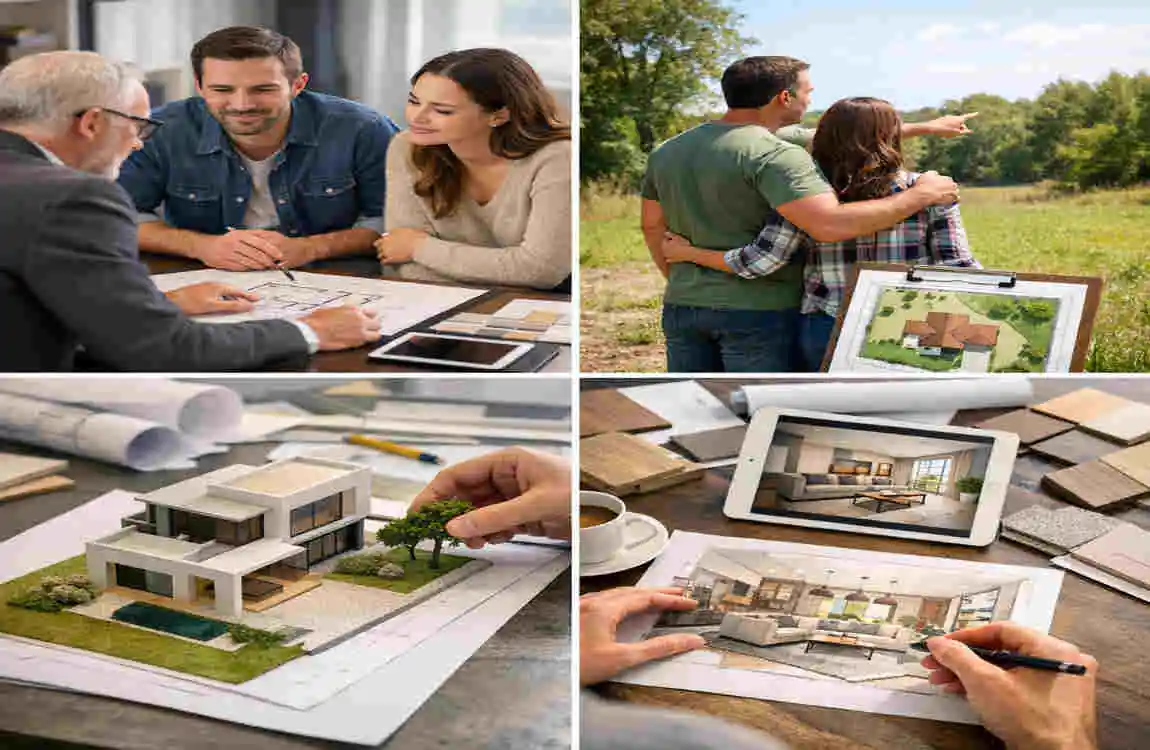
Before you think about style or materials, you need to understand what your home actually needs.
Define the Purpose of the Home
Start with a basic question: How will this home be used?
A family home, a retirement home, or a house for working from home will all need different layouts. Your design should match your lifestyle, not just look good on paper.
Think About the People Living There
Consider:
- How many people will live in the home?
- Do you need private spaces?
- Will children live there now or later?
- Do you work from home?
- Do you expect older parents to stay with you?
These details affect the number of bedrooms, bathrooms, storage spaces, and shared areas you need.
Make a Simple List
A helpful way to begin is to divide your needs into two groups:
- Must-haves: bedrooms, bathrooms, kitchen, storage
- Nice-to-haves: office, guest room, patio, large pantry
This keeps your design focused and practical.
Choose the Right Architectural Style
The style of your home shapes both its look and its feel. It also affects how the space is planned.
Popular Home Styles
Here are a few common choices:
- Modern architecture: clean lines, open spaces, simple forms
- Contemporary homes: current, flexible, and often light-filled
- Traditional architecture: classic shapes and familiar details
- Farmhouse style: warm, simple, and welcoming
- Minimalist design: calm, uncluttered, and efficient
- Mediterranean-inspired homes: textured, warm, and often suited to sunny climates
Choose What Fits Your Life
Do not pick a style only because it looks nice in photos. Think about your location, climate, and budget too.
For example, a farmhouse-style home may feel warm and cosy, while a modern home may suit a clean, open layout better.
Balance Exterior and Interior Design
A good home should look attractive outside and work well inside. The best design combines appearance, comfort, and function.
Plan the Floor Layout and Use of Space
A smart floor plan is one of the most important parts of home design.
Why Layout Matters
A well-planned layout makes daily life easier. It helps rooms connect naturally and reduces wasted space.
Place Rooms with Purpose
Think about where each room should go.
- Public spaces like the living room and kitchen often work best near the front or centre.
- Private spaces like bedrooms should feel quieter and more separate.
- Utility spaces like laundry or storage should be easy to reach but not in the way.
Pay Attention to Flow
You should be able to move through the house without awkward turns or narrow passages. Hallways, stairways, doors, and windows all affect this flow.
Use Space Carefully
If your home is small or oddly shaped, the layout matters even more. Flexible rooms can help a lot. A guest room can also serve as an office. A dining area can sometimes double as a study space.
Simple Room Planning Table
AreaPlanning TipWhy It Matters
Kitchen Keep it near dining space Makes daily use easier
Bedrooms Place in quieter zones Improves privacy
Living room Allow open movement Makes the home feel larger
Storage Add built-ins where possible Reduces clutter
Office space Use a calm, well-lit area Helps focus and comfort
Consider Light, Ventilation, and Energy Efficiency
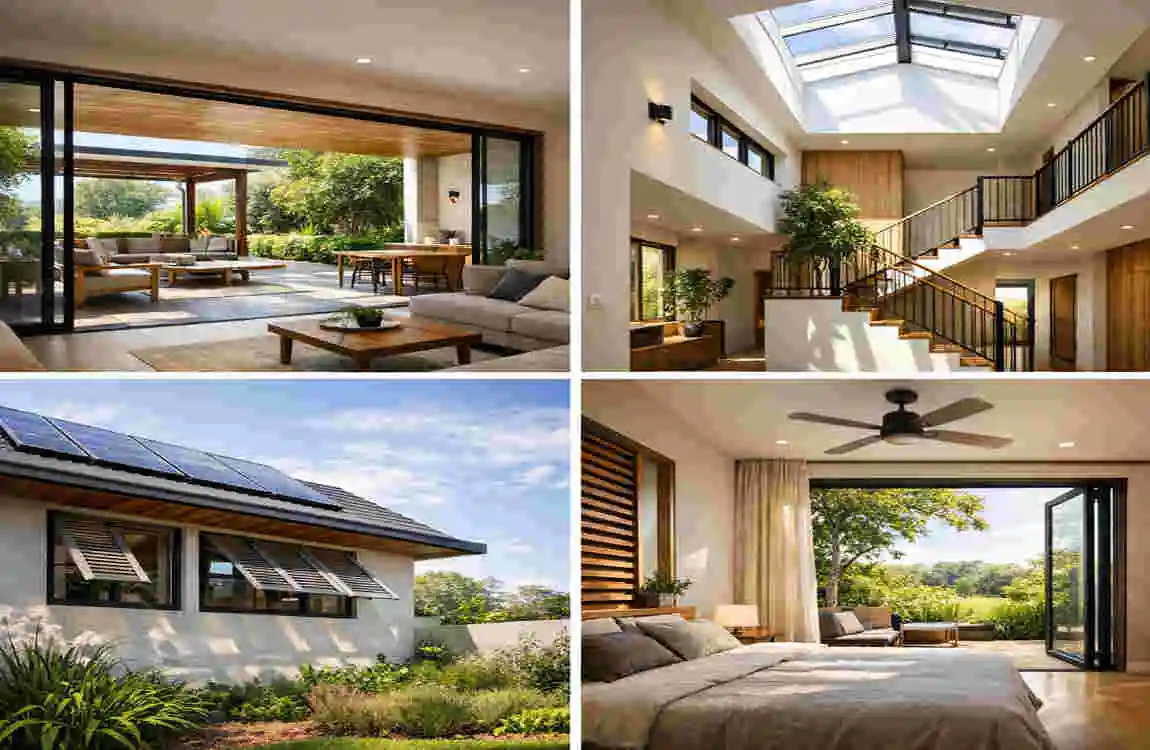
Good design is not just about looks. It also affects how your home feels every day.
Natural Light
Natural light can make a home feel brighter, larger, and more welcoming. Window placement should be planned carefully so rooms get enough light without losing privacy.
Ventilation
Fresh air matters too. Cross-ventilation, which allows air to move through the house, can make a big difference in comfort.
Energy Efficiency
Smart design can lower long-term costs. A well-insulated home, efficient windows, and thoughtful roof design can help reduce heating and cooling needs.
Practical Design Ideas
- Use windows where sunlight is useful
- Add shading where too much sun enters
- Choose insulation suited to your climate
- Think about roof shape and passive cooling
- Place rooms to support airflow
These details may seem small, but they can make the home more comfortable and cheaper to run.
Set a Realistic Budget and Select Materials
A good home design must fit your budget. That means making choices carefully from the start.
Build the Budget Early
Before finalising the design, decide what you can afford. Include:
- Design fees
- Labor
- Materials
- Permits
- Fixtures
- Unexpected costs
Separate Needs from Wants
Some features are essential. Others are upgrades.
For example:
- Essential: strong foundation, good insulation, safe wiring
- Optional: luxury finishes, extra decorative details, premium flooring
This helps you spend money where it matters most.
Choose Durable Materials
The cheapest option is not always the smartest one. Low-cost materials may need repairs sooner and cost more over time.
Pick materials that suit your local weather and daily use. If your area has humidity, heat, or heavy rain, your materials should be able to handle it.
Leave Room for Changes
A small contingency fund is always wise. Plans sometimes change, and prices can shift during construction.
Work With an Architect and Refine the Design
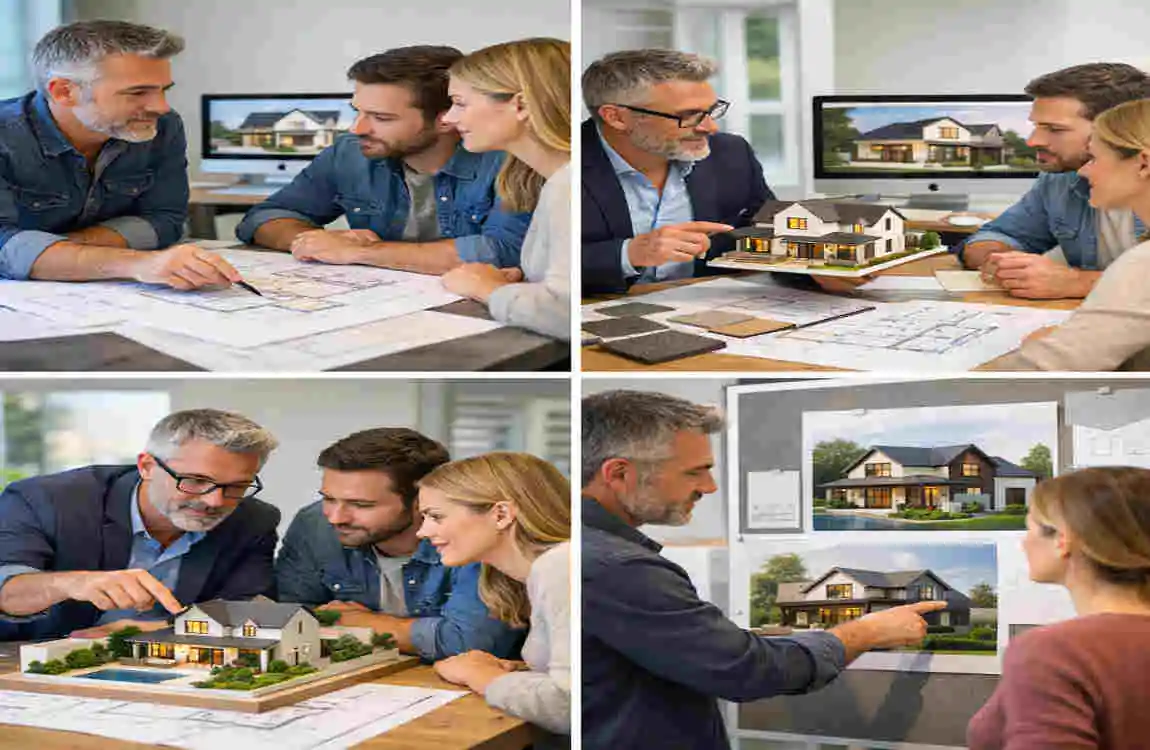
A professional architect can help turn your ideas into a real, buildable plan.
When You Should Get Help
An architect is especially useful if:
- Your lot has unusual conditions
- You want a custom layout
- You need help with code requirements
- You want to avoid costly design mistakes
What the Design Process Usually Looks Like
A typical process may include:
- Initial requirements
- Concept design
- Floor plans
- Elevations
- Detailed drawings
- Construction planning
Each step helps refine the idea before building begins.
Review Everything Carefully
Do not rush this stage. Look at the plans closely and ask questions if something feels off.
Once construction begins, changes become harder and more expensive.
Keep the Rules in Mind
Your design must follow local building regulations and site rules. This is one more reason to work carefully with a professional.
FAQ
What is the first step in home architecture design?
Start by identifying your lifestyle, space needs, budget, site conditions, and long-term goals.
How do I make a good home architecture design?
Focus on a practical layout, the right style, good light and ventilation, and a design that fits your budget.
What should I consider before designing a house?
Think about your family size, climate, lot conditions, room needs, local rules, budget, and plans.
Is hiring an architect necessary for a home design?
Not always, but an architect can help with planning, technical details, and code-related issues.
How can I make a small house feel bigger?
Use open layouts, good lighting, built-in storage, multifunctional rooms, and furniture that fits the space well.
| Design Element | Key Consideration | Ideal Approach |
|---|---|---|
| Floor Plan | Space and movement | Create an open, practical layout |
| Natural Light | Windows and orientation | Maximize sunlight with well-placed windows |
| Ventilation | Fresh air circulation | Add cross-ventilation where possible |
| Room Placement | Privacy and convenience | Separate private and social spaces |
| Kitchen Design | Functionality | Use an efficient work triangle |
| Outdoor Space | Connection to nature | Include a patio, balcony, or garden |
| Materials | Durability and style | Choose quality, climate-appropriate materials |
| Energy Efficiency | Long-term savings | Use insulation, shading, and efficient systems |