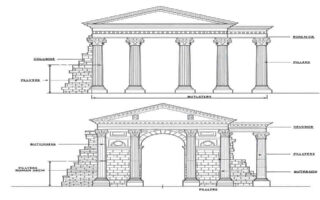
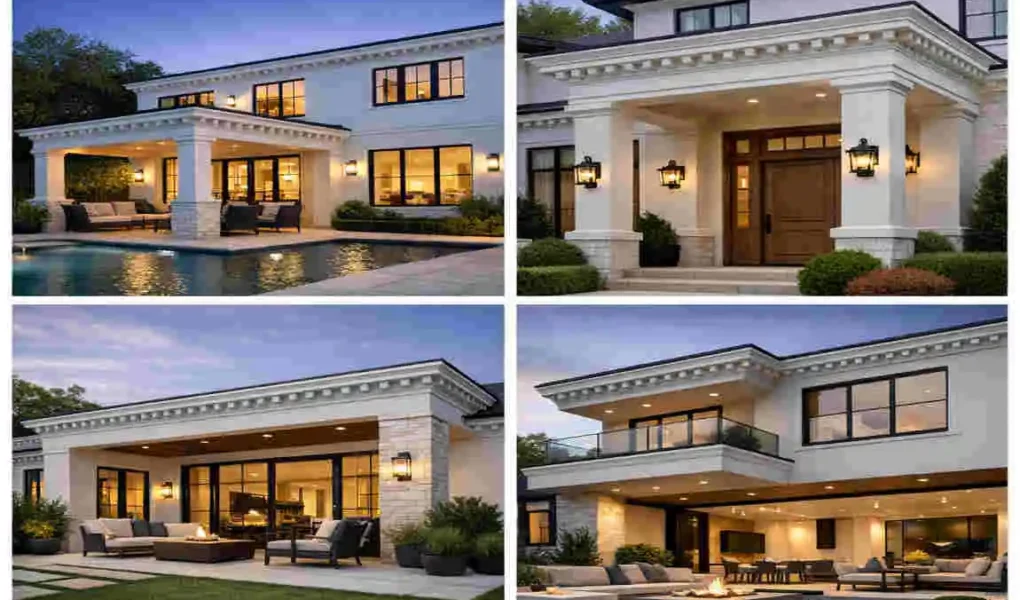
Architectural dentils are small, block-like details often arranged in a repeating row beneath a cornice or roof edge. They go back to Classical Greek and Roman architecture, where builders used them to add rhythm, depth, and elegance to a structure.
Today, dentil architecture at home is a simple way to bring in that same classic charm without redesigning your whole house. These details can make a home feel more finished, more refined, and more visually interesting.
The best part is that dentils do not have to make a house look old-fashioned. When used carefully, they can blend beautifully with modern siding, clean lines, and simple shapes. That balance is what makes them so appealing.
Understanding Dentils Architecture and Its Classic Appeal

What Are Architectural Dentils?
Dentils are small repeating shapes, usually square or rectangular, that look a bit like tiny blocks or teeth. In fact, the word “dentil” comes from the Latin word for tooth.
They are usually placed in a row beneath a cornice, molding, or roofline. Because they repeat in a neat pattern, they create a strong sense of order and detail.
This makes dentils a subtle but powerful design choice. They do not shout for attention, but they do help a home look more polished.
Where Did Dentils Architecture Come From?
Dentils first became popular in classical architecture, especially in Greek and Roman buildings. Later, they were carried into many traditional styles, including:
- Colonial
- Georgian
- Federal
- Neoclassical
- Other formal European-inspired designs
As these styles became more common in homes, dentils came to signify elegance and craftsmanship. Even today, they still carry that same classic feeling.
Why Are Dentils Still Popular Today?
Dentils are still used because they do something simple but important: they add depth.
Flat walls and plain roof edges can sometimes look unfinished. Dentils give those edges more shape and visual interest. They also work well when homeowners want a traditional touch without adding too much ornament.
That is why dentils architecture at home continues to be useful in both old and new houses.
Dentils Architecture at Home: Best Exterior Design Ideas
Dentils Around Rooflines and Cornices
One of the most natural places for dentils is along the roofline or beneath a cornice. This placement feels classic because it follows the house’s natural top edge.
Dentils in this area help define the shape of the home. They create a neat border that can make even a simple exterior feel more thoughtful and complete.
For the best look, the dentil size should match the home. If they are too large, they can overpower the house. If they are too small, they may disappear. Balance is key.
Dentils Above Windows and Doors
Dentils can also work well above windows and doors, especially when paired with trim or molding. This is a great way to frame important features of the home.
A front door with dentils above it can become a strong focal point. The detail helps the entry feel more welcoming and more designed.
You can also combine dentils with a small pediment, simple trim, or a clean molding line. That creates an elegant entrance without making it feel overly formal.
Dentils Along Porches and Entryways
Porches are another good place for dentils. A porch cornice with dentil detailing can make the front of the house feel more refined and architectural.
They can also highlight columns, beams, or covered entrances. When used here, dentils add character without needing extra decoration elsewhere.
If the dentils are the main decorative detail, keep nearby features simple. That keeps the design clean and prevents the exterior from feeling too busy.
Modern Ways to Use Classic Dentils Without Looking Outdated
Pair Dentils With Clean Exterior Lines
If you want a home to feel modern, the easiest trick is to keep the main structure simple. Clean walls, straight rooflines, and minimal trim can create the perfect backdrop for dentils.
This works especially well on homes that use modern siding or open, geometric shapes. The classic detail adds warmth, while the modern lines keep the design fresh.
The goal is not to cover the house in decoration. The goal is to use just enough detail to make the home feel layered and interesting.
Combine Dentils With Modern Materials
Dentils do not have to appear only on old-style homes. They can also work with materials like:
Material What It Adds Best Use
Wood Warmth and a natural look Traditional or farmhouse exteriors
PVC Low maintenance and clean finish Moisture-prone areas
Polyurethane Lightweight detail and easy shaping Decorative trim and cornices
Composite Strength and durability Long-lasting exterior accents
Brick or Stone Rich texture and contrast Classic or transitional homes
Fiber Cement A crisp, modern surface Contemporary or updated traditional homes
When dentils are set against smooth siding, stone, or wood, they become more noticeable. That contrast can make the design feel more layered and more custom.
Use Dentils as a Subtle Accent
Not every home needs bold dentils. In many cases, smaller and simpler dentils look better.
This approach works well when you want quiet elegance. It gives the home a classic touch without making it feel heavy or old.
If your goal is a modern look, subtle dentils are often the better choice. They are easier to blend into a clean exterior and usually feel more timeless over time.
Classic Dentils Architecture Ideas for Different Home Styles
Dentils on Colonial-Style Homes
Colonial homes often have symmetry, balance, and strong rooflines. Dentils fit naturally into that kind of design.
They work well around cornices, entryways, and porch trim. Because Colonial homes already feel formal, dentils can strengthen that look without feeling forced.
Dentils on Modern Farmhouse Homes
Modern farmhouse homes usually combine simple lines with a comfortable, welcoming feel. Dentils can add a touch of charm without detracting from the clean style.
They work especially well with white siding, dark trim, wood accents, and simple roof shapes. Used lightly, dentils can make the home feel more custom and less plain.
Dentils on Craftsman-Inspired Homes
Craftsman homes often focus on natural materials and visible structure. Because of that, dentils should be used carefully.
A small amount of dentil detailing can work around porch trim or upper sections, but it should not compete with the heavier, more handcrafted feel of Craftsman design. Keep the detail restrained and respectful of the style.
Dentils on Contemporary and Transitional Homes
Contemporary homes usually have clean, minimal exteriors. At first, dentils may seem like an unusual choice, but they can work surprisingly well when kept simple.
Transitional homes are often the best match. They already mix classic and modern ideas, so dentils can help soften the overall look. Choose clean profiles and avoid excessive ornamentation to keep the design balanced.
How to Choose the Right Dentils for Your Home
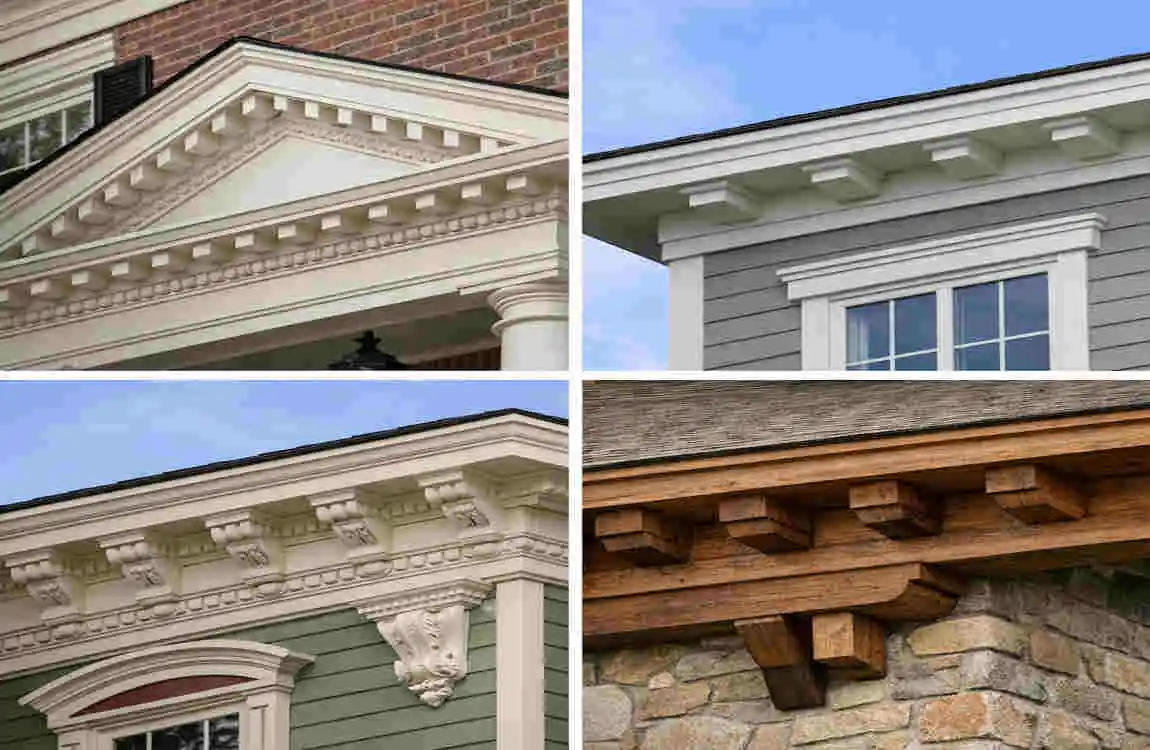
Choosing the Right Size and Proportion
Size matters a lot with dentils. They should always fit the scale of the house.
A large home may need larger dentils to keep the detail visible. A smaller house usually looks better with smaller, simpler blocks. The roof height, façade width, and other trim details should all be part of the decision.
If the dentils feel too large, they can dominate the exterior. If they are too small, they may look accidental. Proportion makes the difference between attractive and awkward.
Choosing Materials
The material you choose will affect both the look and the upkeep. Here is a simple breakdown:
- Wood: classic look, but needs regular care
- PVC: good for wet climates, low maintenance
- Polyurethane: lightweight and easy to install
- Composite: durable and practical
- Fiberglass or similar trim products: can offer strength and weather resistance
Think about your climate, your budget, and how much maintenance you want. The best material is the one that fits both your style and your lifestyle.
Choosing a Pattern and Finish
Spacing is just as important as size. Closely spaced dentils feel more decorative, while wider spacing feels calmer and simpler.
You can also paint them to match the trim, or use a contrasting finish to make them stand out. The right choice depends on the look you want.
If your home is already busy with details, a simple matching finish may work best. If the exterior is plain, a stronger contrast can help the dentils become a focal point.
Installation, Maintenance, and Common Design Mistakes
Where Dentils Should Be Installed
Dentils usually look best in places where a clear border or edge needs definition. Common locations include:
- Roof edges
- Cornices
- Porches
- Doors
- Windows
No matter where they go, the surface should be properly prepared. A clean, stable base helps the detail last longer and look better.
Maintenance Tips for Exterior Dentils
Like any exterior detail, dentils need care over time. Inspect them now and then for cracks, peeling paint, moisture damage, or loose pieces.
If they are painted, they may need repainting after a few years, depending on the weather and material. Wood usually needs more attention than synthetic products.
Regular cleaning also helps. A gentle wash can keep dirt from building up and preserve the crisp look of the detail.
FAQ About Dentils Architecture at Home
What is dentils architecture at home?
It means using repeated small block-like details, usually under cornices or along rooflines, as part of a home’s exterior design.
Are dentils still popular in modern home design?
Yes. They are still popular as a classic accent in traditional, transitional, farmhouse, and updated Colonial-style homes.
Where should dentils be placed on a house?
Common spots include rooflines, cornices, porches, doors, and windows.
Can dentils work on a modern house?
Absolutely. When used in a simple, balanced way, dentils can add character without detracting from a modern look.
What materials are used to make architectural dentils?
Common materials include wood, PVC, polyurethane, and composite trim products.
Are architectural dentils expensive?
The cost depends on the material, size, design, and installation work. Simpler versions are usually more affordable than custom decorative ones.
How do I keep dentils from making my home look old-fashioned?
Use them sparingly, match them to your home’s scale, and pair them with clean lines and modern materials.
| Dentil Architecture Idea | How to Use It in a Modern Home |
|---|---|
| Classic Cornice Dentils | Add small, evenly spaced blocks beneath the roofline for a timeless exterior. |
| Minimalist Dentil Trim | Use simple, narrow dentils around windows or doors for a subtle classical touch. |
| White Dentils on Dark Exterior | Contrast white dentil molding with charcoal, navy, or black walls for a modern look. |
| Dentil Kitchen Cabinet Detail | Incorporate small dentil patterns along cabinet crowns for an elegant traditional accent. |
| Entryway Dentil Molding | Frame the main entrance with dentils to create a refined architectural focal point. |
| Modern Fireplace Dentils | Add restrained dentil detailing around a fireplace mantel to blend classic and contemporary styles. |