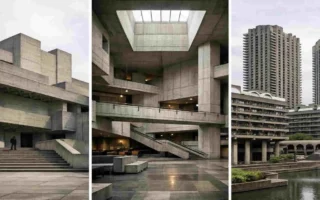
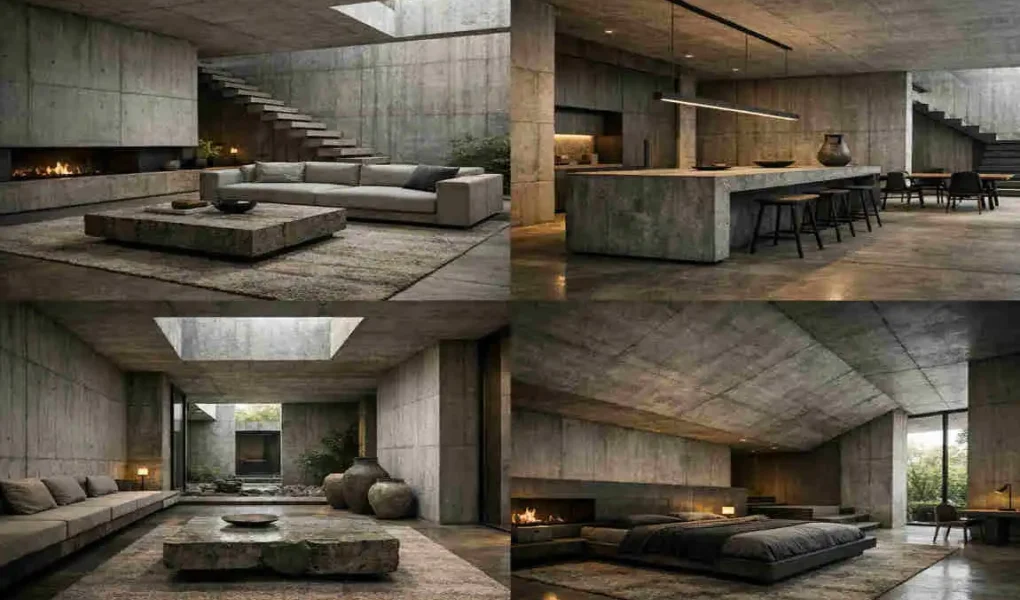
A brutalist architecture interior is bold, simple, and honest. It uses raw materials, strong shapes, and a clean layout to create a space that feels direct and powerful. Instead of hiding structure, this style often highlights it.
What Is Brutalist Architecture Interior?
A Simple Definition
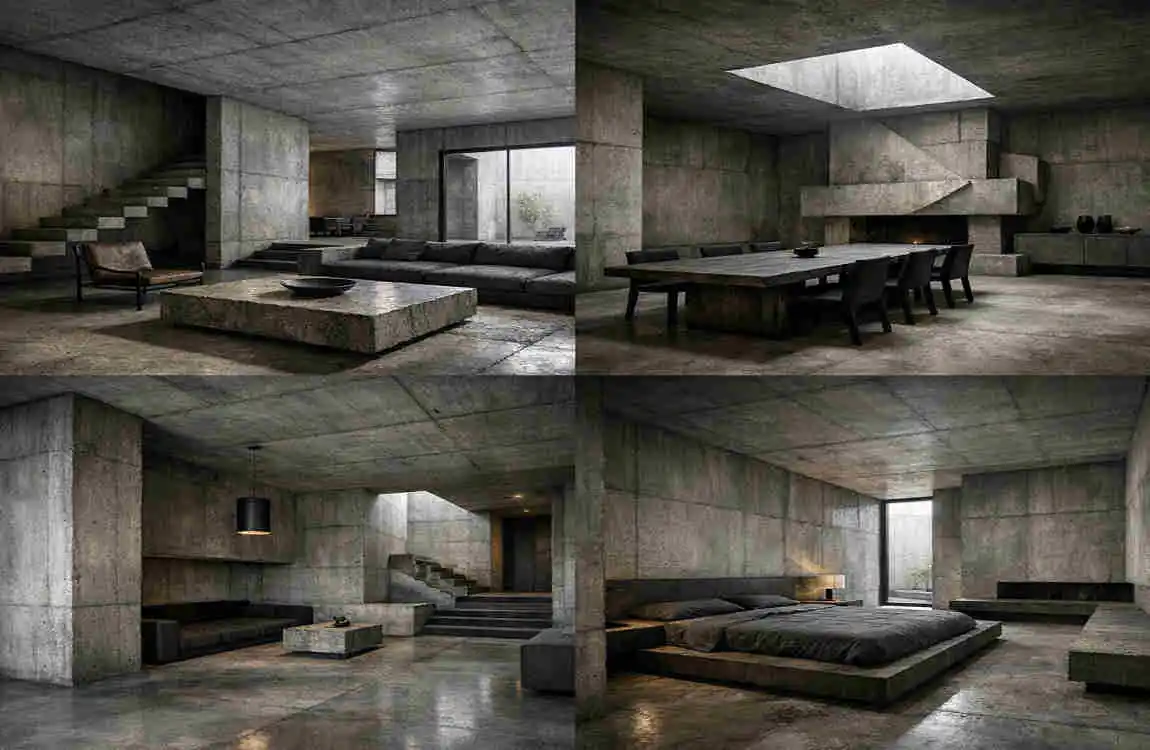
A brutalist architectural interior is a design style that focuses on raw surfaces, clear forms, and minimal decoration. It often uses concrete, stone, metal, and wood in a way that feels strong and intentional.
The style comes from Brutalist architecture, which became known for its bold structure and plain, functional look. Inside the home, that same idea continues through simple layouts, solid materials, and a clean visual style.
Main Characteristics of the Style
A Brutalist interior usually includes:
- Exposed concrete
- Strong geometric shapes
- Minimal decoration
- Industrial-inspired materials
- Neutral colors
- Functional furniture
This style is not about excess. It is about making a few strong choices and letting those choices define the room.
Brutalist vs. Cold Industrial Design
People sometimes confuse Brutalist interiors with industrial spaces. They are related, but not the same.
Industrial interiors often lean into rawness because of factories and warehouses. Brutalist interiors, on the other hand, feel more architectural and sculptural. They often look heavier, more structured, and more deliberate.
A Brutalist room can still feel warm if you balance it properly. That is one of the most important things to remember.
Key Elements of a Brutalist Architecture Interior
Raw and Natural Materials
Materials are the heart of this style. Concrete is the most recognizable choice, but it is not the only one.
You can also use:
- Stone
- Brick
- Steel
- Metal
- Natural wood
These materials create contrast. Concrete may feel strong and cool, while wood adds warmth and softness. That balance is what makes the room work.
Neutral Color Palette
Brutalist interiors usually stay close to nature. They rely on gray, charcoal, black, beige, off-white, and earthy tones.
This does not mean the room must feel dull. Neutral colors can be rich and layered when you mix different textures and finishes. For example, matte concrete, soft linen, and dark wood can all sit together beautifully.
Geometric Forms
This style often uses clean lines and bold shapes. You might see rectangular furniture, circular tables, block-like seating, or large architectural features.
The shapes should feel simple and strong. Avoid anything too delicate or overly decorative.
Minimalist Decoration
A Brutalist room does not need many accessories. In fact, too many objects can weaken the style.
Instead of filling every surface, choose a few statement pieces. A large artwork, a sculptural light, or a strong chair can say more than a room full of small items.
Stylish Brutalist Interior Ideas for Modern Homes
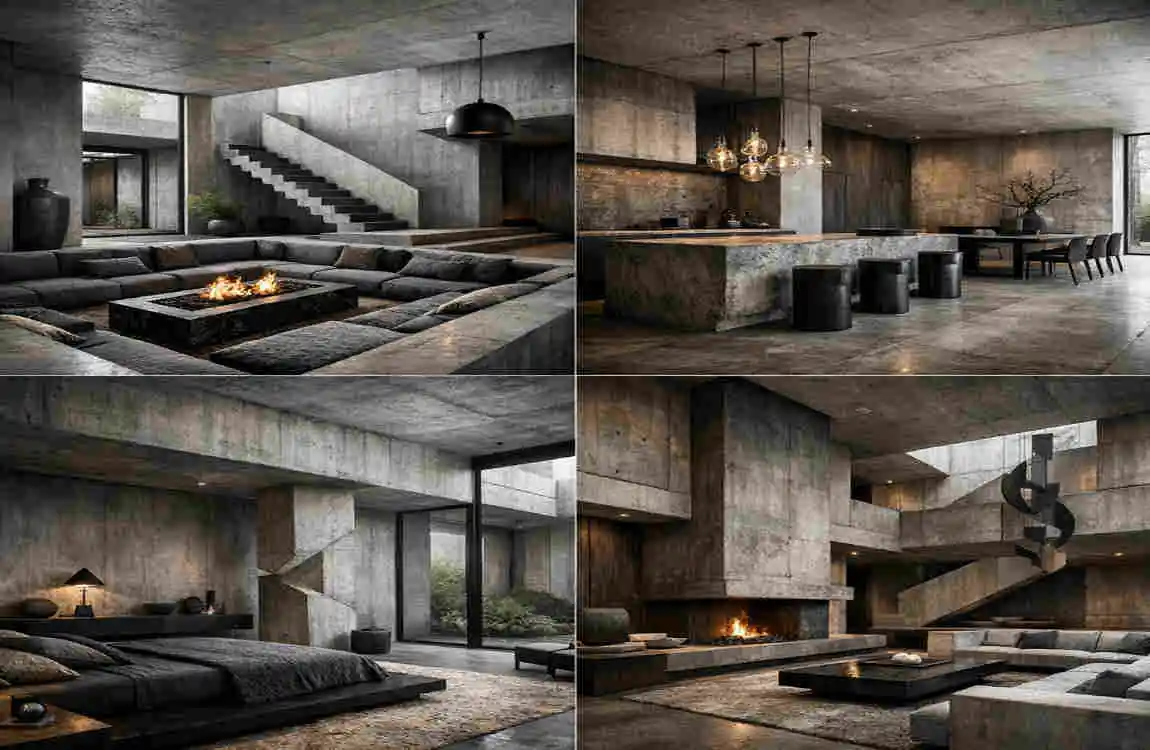
Brutalist Living Room
The living room is a great place to begin if you want to try this style.
A concrete feature wall can become the center of the room. Pair it with a large minimalist sofa, a simple coffee table, and one or two sculptural lights. If the space feels too hard, add a wool rug or linen curtains for softness.
Wood also helps a lot here. A wooden shelf, side table, or cabinet can keep the room from feeling too severe.
Brutalist Bedroom
A Brutalist bedroom should still feel peaceful. That means the palette should stay calm and simple.
You could use a plaster or concrete accent wall behind the bed. Then bring in wooden furniture, soft bedding, and warm bedside lighting. This keeps the room grounded without making it feel heavy.
If you want the room to feel more inviting, use layered textiles like thick throws and textured cushions.
Brutalist Kitchen
The kitchen is another strong place for Brutalist design.
Concrete countertops, dark cabinets, and simple metal hardware all work well together. Keep the layout clean and avoid too many decorative items on the counters.
Natural wood can help break up the darker surfaces. Even a small amount of wood can make the kitchen feel more balanced and less severe.
Brutalist Bathroom
Bathrooms often suit this style very well. Concrete, stone, and microcement finishes can create a spa-like and architectural feel.
Use minimalist fixtures, large mirrors, and clean lighting. A touch of wood or a warm-toned towel can soften the look and make the room feel more comfortable.
Brutalist Interior Material Guide
MaterialLookBest UseEffect on Space
Concrete Raw, strong, architectural Walls, floors, countertops Creates a bold focal point.
Stone Natural, solid, timeless Bathrooms, feature walls, floors Adds weight and texture.
Wood Warm, organic, grounding Furniture, shelves, accents Softens the overall look.
Steel/Metal Clean, sharp, modern Lighting, frames, hardware Adds contrast and definition.
Brick Textured, honest, rustic Walls, accents, interiors Brings character and depth.
How to Make Brutalist Interiors Feel Warm and Comfortable
Balance Hard Materials With Soft Furnishings
This is one of the most important design steps. Concrete and stone look great, but too much of them can feel cold.
Add soft items like rugs, cushions, curtains, and upholstered furniture. These pieces help the room feel human and livable.
Bring in Plants and Natural Elements
Plants work very well in Brutalist spaces. They add color, life, and movement to a style that can sometimes feel still or heavy.
You can also use natural baskets, clay pots, or wood trays to make the space feel more relaxed.
Use Layered Lighting
Lighting can completely change the mood of a Brutalist room. If you rely on one bright overhead light, the space may feel harsh.
Instead, use a mix of lighting types. Table lamps, wall lights, and soft accent lights can make the room feel warmer and more flexible.
Add Texture
Texture gives Brutalist interiors more depth. You do not need bright colors to make a room interesting.
Try mixing smooth concrete with rough stone, soft fabric, matte metal, and natural wood. That contrast is what gives the room life.
Keep Some Visual Simplicity
Even when you add warmth, do not lose the style’s clean structure. Brutalist design still depends on clear lines and a strong sense of order.
The goal is to soften the room without making it cluttered.
Common Mistakes to Avoid in Brutalist Interior Design
Too Much Concrete
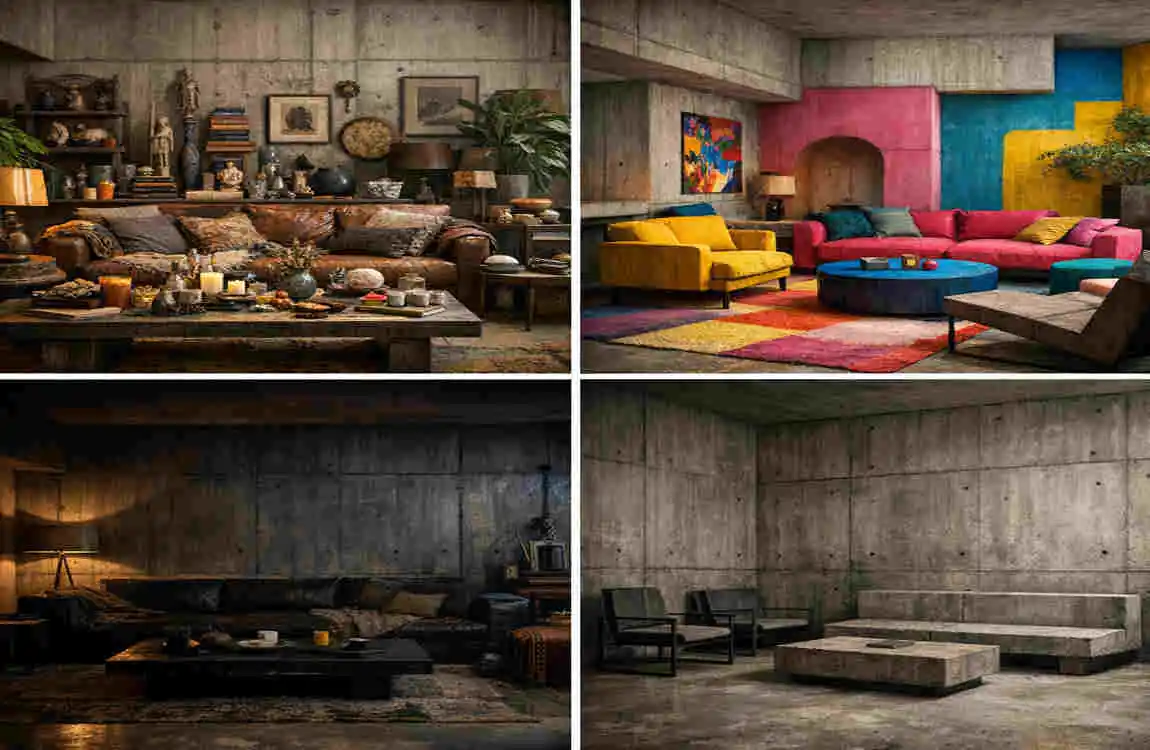
Concrete is a signature part of the style, but using it everywhere can make the room feel flat or severe. One strong concrete surface is often enough.
Poor Lighting
Dark corners and weak lighting can make the space feel heavy in a bad way. Use lighting carefully so the room feels layered rather than harsh.
Too Many Decorative Objects
Brutalist spaces do not need lots of accessories. Too many small items can weaken the clean, bold look.
Ignoring Comfort
A room can look stylish but still be unpleasant to use. Always think about seating, lighting, and everyday comfort.
Only Using Cool Gray Shades
Gray is important in this style, but using only cool tones can make the room feel lifeless. Add beige, wood, or warm stone tones for balance.
FAQ About Brutalist Architecture Interior
Is brutalist architecture interior suitable for modern homes?
Yes. It works especially well in modern homes with open layouts, clean lines, and simple forms.
What materials are commonly used in brutalist interiors?
Common materials include concrete, stone, steel, brick, glass, and natural wood.
How can I make a brutalist interior feel cozy?
Use warm lighting, rugs, cushions, curtains, plants, and wooden furniture to soften the look.
What colors work best with brutalist interior design?
Neutral shades such as gray, black, beige, cream, and earthy tones work best.
Can a small home have a brutalist interior?
Yes. You can use concrete finishes, simple furniture, mirrors, and good lighting without overwhelming the space.
Is brutalist interior design expensive?
It depends. Some elements can be costly, especially custom materials, but you can also create the look in more affordable ways with smart material choices.
| Interior Idea | Key Features | Modern Benefit |
|---|---|---|
| Exposed Concrete Walls | Raw concrete textures and natural gray tones | Creates a bold, minimalist look |
| Open-Plan Layout | Large, uncluttered spaces with fewer partitions | Makes rooms feel spacious and connected |
| Minimalist Furniture | Simple shapes, clean lines, and functional pieces | Keeps the interior balanced |
| Warm Wood Accents | Wooden floors, cabinets, or furniture | Softens the industrial feel of concrete |
| Statement Lighting | Sculptural pendant lights and modern fixtures | Adds character and visual interest |
| Neutral Color Palette | Gray, beige, black, white, and earthy shades | Supports a calm, sophisticated atmosphere |