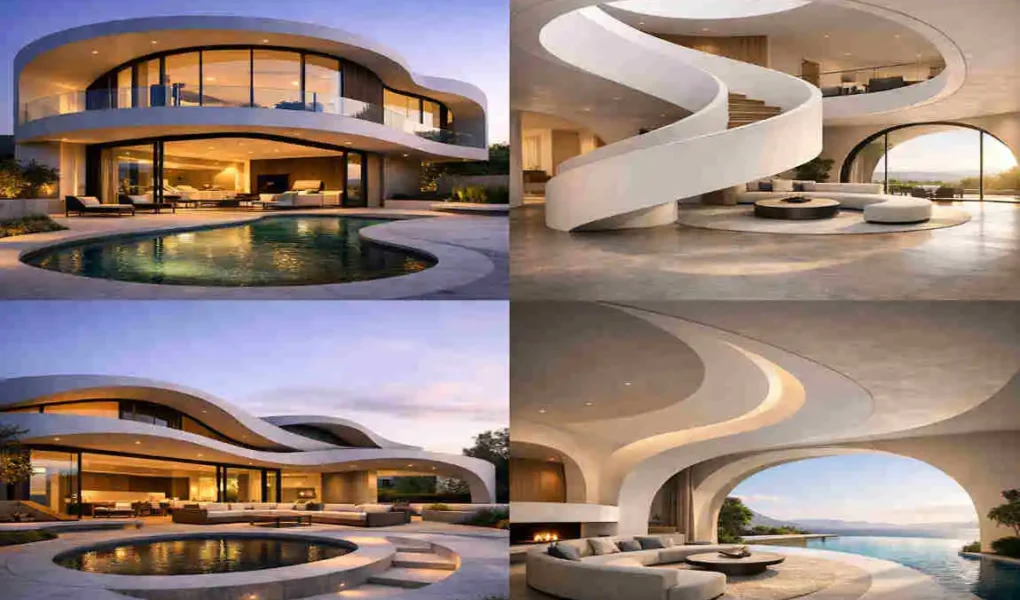
A curved architectural shape is a design feature that uses soft, rounded, or flowing lines instead of sharp corners and straight edges. In modern homes, curves are becoming more popular because they make spaces feel warmer, smoother, and more inviting.
You can see curved shapes in walls, roofs, windows, staircases, ceilings, and even furniture-style built-ins. These forms bring a softer look to a home and help balance the strong lines often found in modern design. They also create movement, which makes a space feel more natural and less rigid.
What Is a Curved Architectural Shape in Home Design?
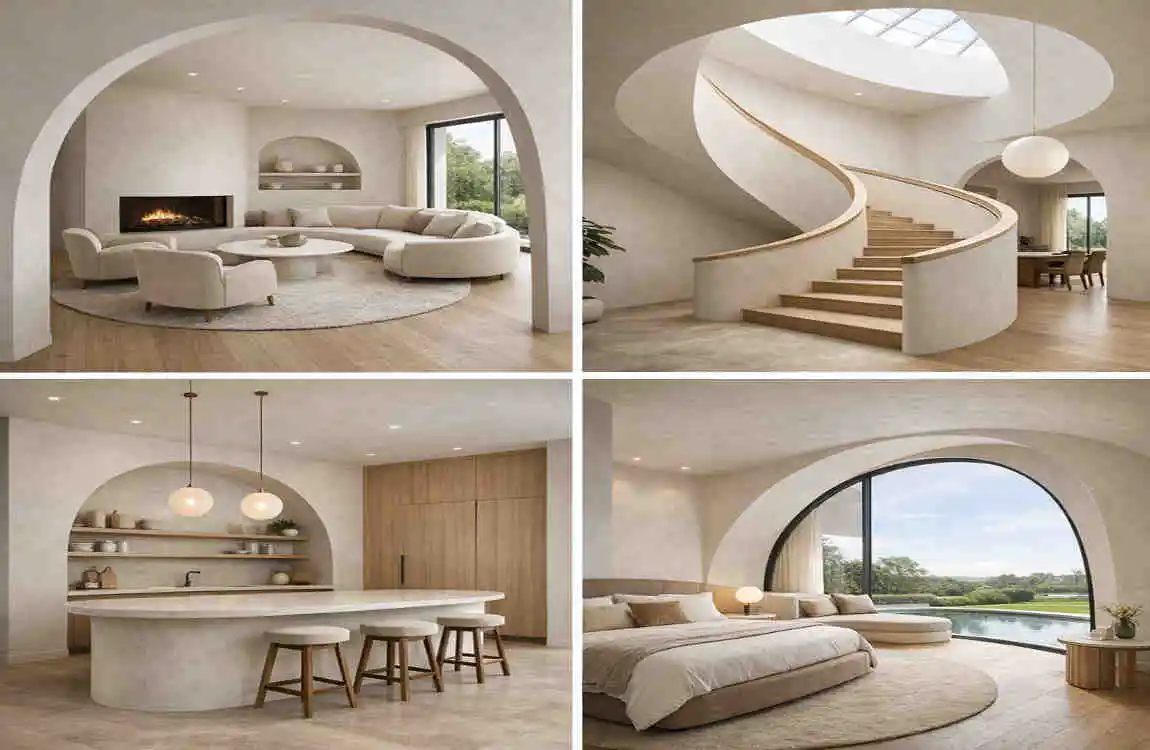
Understanding Curved Architecture
Curved architecture refers to the use of rounded or flowing forms in a building. Instead of relying solely on rectangles and angles, designers use arches, circles, waves, and rounded surfaces to shape a home.
This style stands out because it adds a more organic feel. It can make a house look elegant, creative, and comfortable at the same time.
Common Types of Curved Shapes
Some of the most common curved elements in homes include:
- Arches
- Rounded walls
- Circular rooms
- Curved roofs
- Bow-shaped windows
- Spiral staircases
- Curved balconies and terraces
Each one adds a different effect. Some are bold and dramatic, while others are subtle and simple.
Why Curves Are Trending
Curves are trending because many homeowners want homes that feel softer and more personal. Straight lines can sometimes look too strict. Curves break that pattern and add visual interest.
They also work well in modern, minimalist, Mediterranean, and organic-style homes, making them very flexible in design.
Popular Curved Architectural Shapes for Modern Homes
Curved Exterior Walls
A curved exterior wall can become the main feature of a home. It helps the house stand out from nearby homes and creates a smooth, flowing appearance.
This kind of shape works well for entrances, front façades, or large living room walls that face the outside.
Arched Doors and Windows
Arched doors and windows bring a classic idea into modern design. They soften the look of a home and allow more natural light to enter.
They can make a room feel taller, brighter, and more open.
Curved Roof Designs
Curved roofs can look very stylish, but they need careful planning. They may be built in barrel, wave-like, or gently rounded forms.
These roofs must be designed for drainage, insulation, and weather protection, so they are not just beautiful but also practical.
Rounded Interior Features
Curves can also appear inside the home. Popular examples include:
- Curved kitchen islands
- Rounded room dividers
- Curved ceilings
- Built-in seating
- Rounded fireplaces
These details help create a softer and more welcoming interior.
Benefits of Using Curved Architectural Shapes
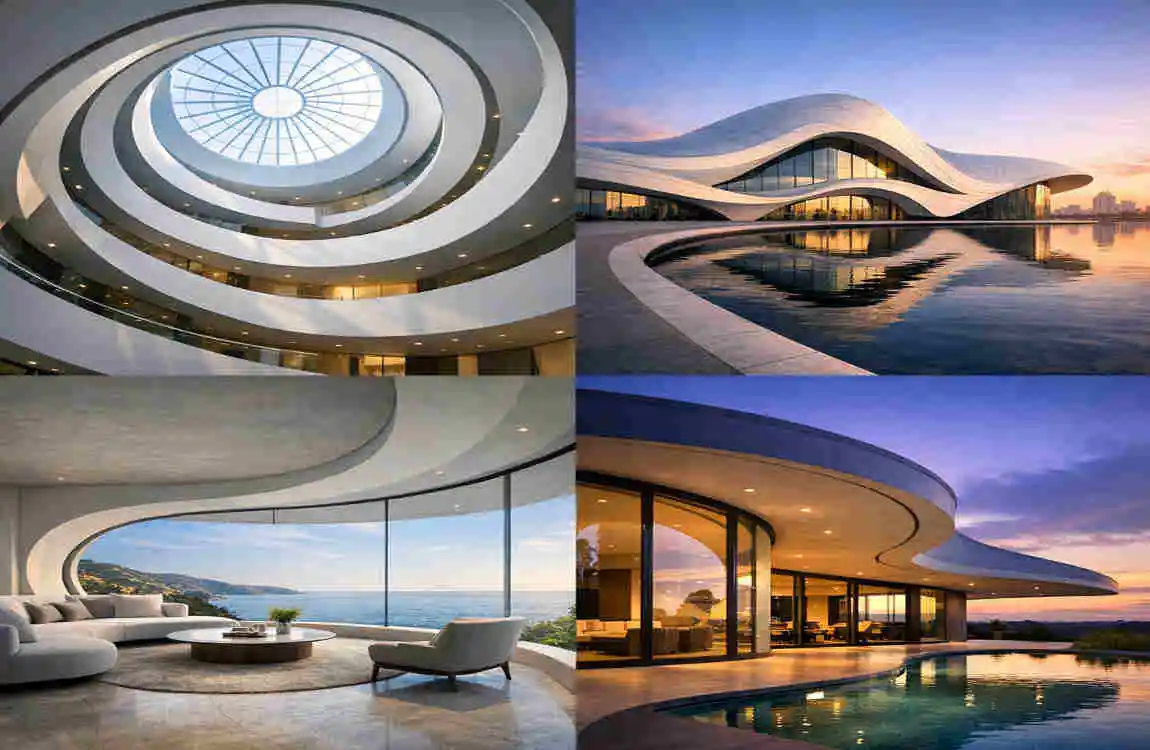
Creates a Softer, More Welcoming Look
Curves naturally feel calm and friendly. They reduce the harsh look of straight edges and help a home feel more relaxing.
This is one reason many people use curved shapes in living rooms, bedrooms, and entryways.
Improves Visual Flow
A curved architectural shape helps the eye move smoothly through a room. It can guide people from one area to another without hard breaks.
This is especially useful in open-plan homes where spaces connect.
Adds Architectural Character
A home with curves often looks more unique. Even a small curved feature can make a room feel more designed and memorable.
It gives the house personality without needing too many decorations.
Supports Natural Light
Curved windows, openings, and skylights can change the way light enters a space. They can soften sunlight and spread it more evenly.
This creates a bright but comfortable feeling inside the home.
Where Can You Use Curved Architectural Shapes?
Living Room
In the living room, curves work well in feature walls, archways, built-in shelves, and seating areas. They can make a social space feel more open and inviting.
Kitchen and Dining Area
Curved kitchen islands and rounded dining spaces can make movement easier and help the room feel less boxy.
Bedroom
In the bedroom, curved headboards, rounded wall details, or soft ceiling transitions can create a peaceful mood.
Bathroom
Bathrooms often look elegant with curved shower walls, rounded mirrors, or arched storage niches.
Exterior and Landscaping
Outside the home, curves can appear in patios, pathways, balconies, and garden walls. These features help the home blend more naturally with the landscape.
Materials and Construction Considerations
MaterialBest UseImportant Note
Concrete Curved walls and strong structural forms Often needs special formwork.
Wood Decorative curves, panels, and furniture details Bent or laminated wood may be used.
Glass Windows and sleek modern features Usually needs custom fabrication
Metal Railings, frames, and design accents Works well for clean, modern curves
Drywall Interior curved finishes Needs flexible framing and skilled installation
Curved designs often cost more than straight ones because they need more planning, more skill, and sometimes custom-made parts.
That is why qualified architects, engineers, and builders should handle structural curves.
How to Design a Curved Architectural Shape Successfully
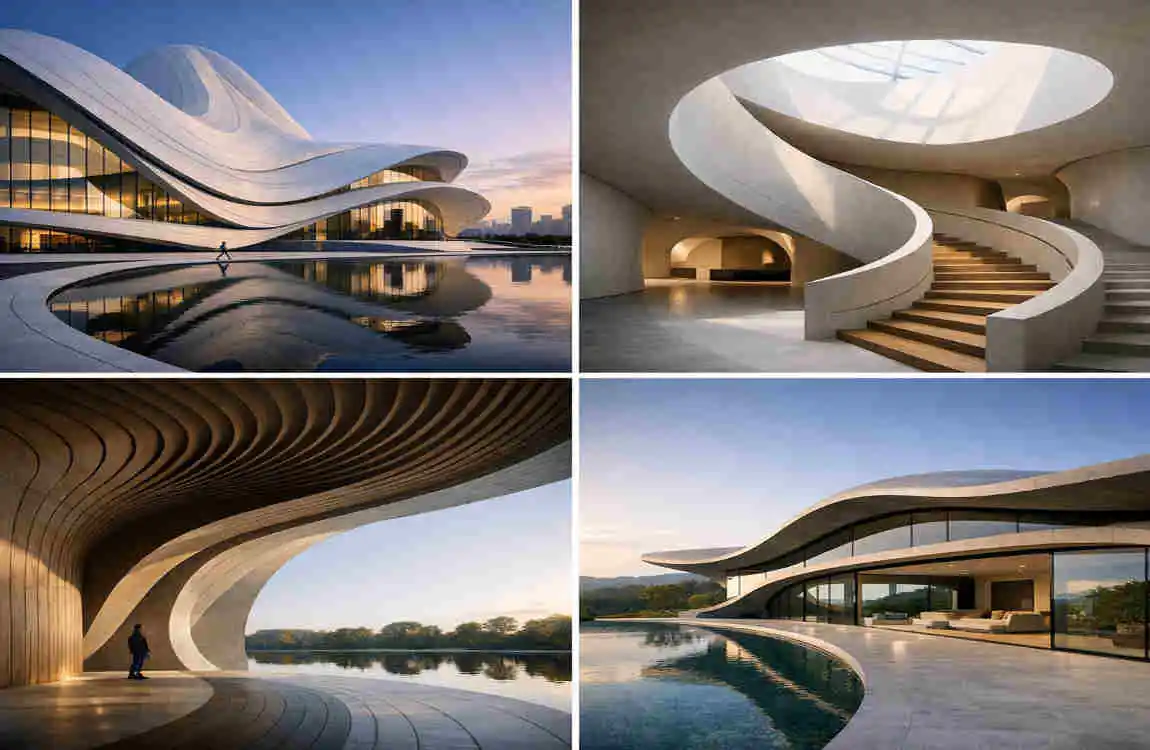
Start With the Purpose
Before adding a curve, ask yourself why it is there. Is it for style, function, light, or structure? A clear purpose helps the design feel useful rather than random.
Balance Curves With Straight Lines
Too many curved elements can feel overwhelming. A good design usually mixes curves with straight lines so the home stays balanced.
Think About Furniture and Space
Curved walls and rooms affect how furniture fits. Always plan circulation and layout before building.
Work With Professionals
Curved construction is not always simple. A skilled team can make sure the shape is safe, practical, and long-lasting.
Quick Design Tips
- Use curves with purpose
- Keep the look simple
- Choose materials that fit the shape
- Check maintenance needs
- Follow local building rules
FAQ
What is a curved architectural shape?
It is a rounded or flowing design form used in a building, such as a curved wall, arch, roof, or staircase.
Are curved walls more expensive than straight walls?
Yes, they can be more expensive because they often need custom work and skilled labor.
Can curved shapes work in small homes?
Yes. Even small homes can use curves in doorways, partitions, mirrors, or feature walls.
Do curved roofs need special planning?
Yes. They need proper planning for structure, drainage, waterproofing, and insulation.
| Curved Architectural Shape | Where It Works Best | Main Benefit |
|---|---|---|
| Arched Doorways | Entryways, hallways | Adds elegance and softness |
| Curved Walls | Living rooms, bedrooms | Creates a smooth, flowing look |
| Round Windows | Exterior walls, staircases | Brings unique visual interest |
| Curved Staircases | Entry halls, open spaces | Makes the interior feel luxurious |
| Arched Ceilings | Living rooms, bedrooms | Adds height and character |
| Circular Rooms | Modern homes, lounges | Creates a distinctive layout |