If you have ever faced a sudden power cut, you already know how stressful it can feel. The lights go out, the fridge stops working, the heating may switch off, and your phone battery becomes a real worry. This is why many UK homeowners look at backup power.
A generator can be very useful during storms, flooding, grid faults, or planned maintenance. But it must be used properly. Safety matters most because a generator used improperly can pose serious risks, including carbon monoxide poisoning, fire, and electrical hazards.
Why You May Need a Generator for Your Home in the UK
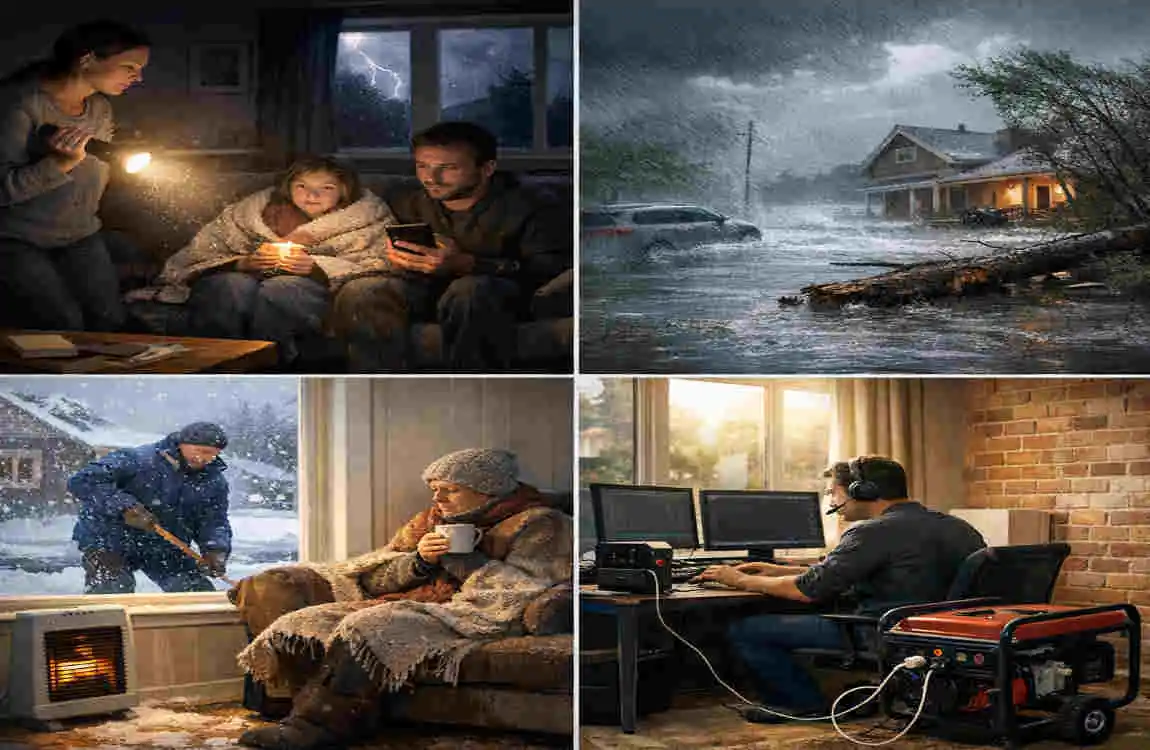
Power cuts can happen at any time, and in many modern homes they create more than just inconvenience. A generator gives you backup power when the main supply fails.
Common Causes of Power Cuts
In the UK, power cuts often happen because of:
- Storms and strong winds
- Flooding
- Grid failures
- Planned maintenance work
Some outages last only a short time. Others can continue for hours or even longer. That is why backup power can be so helpful.
Benefits of Having a Backup Generator
A generator can keep important things running, such as:
- Emergency lighting
- Heating systems
- Fridges and freezers
- Internet and communication devices
- Medical equipment
For many families, this means comfort, safety, and peace of mind during an emergency.
Types of Generators for UK Homes
Not every generator works the same way. The best choice depends on how much power you need, how often you expect to use it, and how much you want to spend.
Portable Generators
Portable generators are the most common type for homeowners.
Features: They are usually smaller, manual, and run on petrol, diesel, or LPG.
Pros:
- Lower cost
- Easy to move
- Good for short-term backup
Cons:
- Usually noisier
- Need manual setup
- Not ideal for powering the whole house
Best uses: They work well for essential items like lights, a fridge, or a few appliances.
Standby Generators
Standby generators are installed outside the home and can start automatically when the power goes off.
Pros:
- Automatic operation
- Can support whole-house backup
- More convenient during long outages
Cons:
- Higher upfront cost
- Needs professional installation
- Takes up more space
If you want a more permanent solution, this is often the best option.
Inverter Generators
Inverter generators are popular because they are quieter and more fuel efficient.
Pros:
- Quiet operation
- Efficient fuel use
- Safer for sensitive electronics like laptops and TVs
Cons:
- Usually more expensive than basic portable models
- May not provide enough power for larger homes
These are a smart choice if you want clean, stable power for smaller essential loads.
How to Use a Generator to Power Your House UK Safely
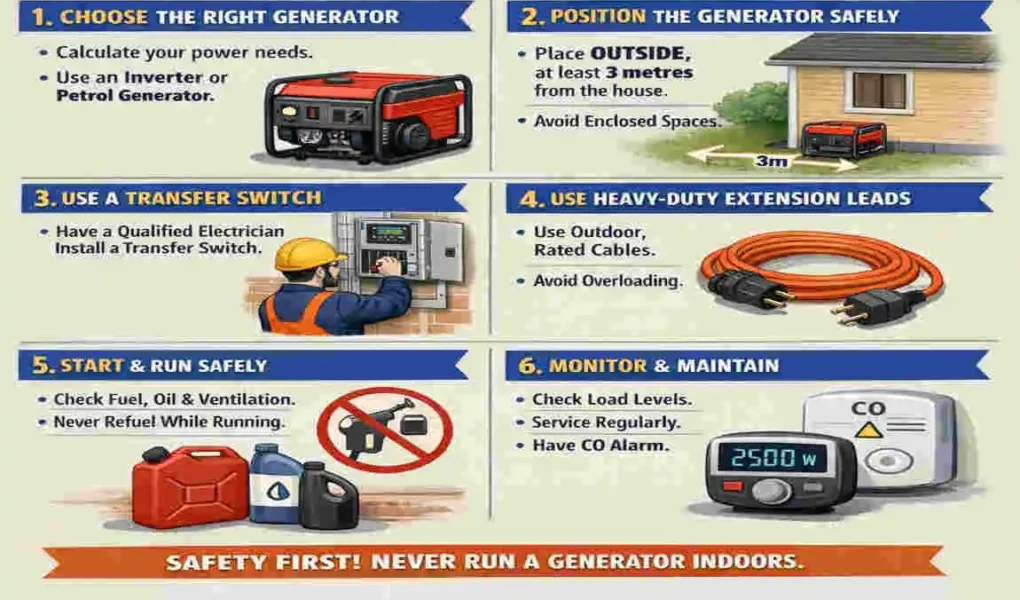
This is the most important part. Using a generator safely is not just about switching it on. It is about choosing the right system, installing it properly, and using it with care.
Choose the Right Generator Size
The first step is to choose a generator that can meet your needs. A unit that is too small will overload. A unit that is too large may waste fuel and money.
Think about the items you need during a power cut. For example:
- Fridge
- Boiler or heating pump
- A few lights
- Phone chargers
- Internet router
- Medical devices, if needed
If you only want essential backup, a smaller unit may be enough. If you want to power most of the house, you will need a much larger generator.
Calculate Your Power Requirements
Make a simple list of the appliances you want to run. Check the wattage of each item, then add them together.
Here is a quick guide:
Appliance Typical Power Use
LED light bulb 5–15W
Fridge 100–800W
Internet router 10–20W
TV 50–200W
Boiler pump 200–600W
Kettle 2000–3000W
Some appliances require extra power at startup, so always allow a safety margin. Do not size your generator too tightly.
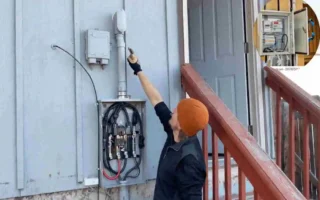
Install a Transfer Switch
A transfer switch is one of the safest ways to connect a generator to your home.
It lets you move from grid power to generator power without unsafe wiring. It also helps protect your home and prevents power from being fed back into the public network.
In simple terms, it makes the setup much safer and more controlled.
Never Backfeed the National Grid
This is a very important warning. Never plug a generator directly into a wall socket to power your house.
Why? Because it can send electricity back into the grid. This is called backfeeding, and it can seriously injure utility workers and damage equipment.
It is also unsafe for your own home.
Position the Generator Outdoors
Generators must always be used outside, in fresh air, away from doors, windows, and vents.
Why this matters:
- Exhaust fumes contain deadly carbon monoxide
- Indoor use can quickly become life-threatening
- Even open garages are not safe
Place the generator on a dry, level surface. Keep it away from anything flammable.
Connect Essential Appliances
Once the generator is running safely, connect only the appliances you really need.
A good approach is to power the most important items first:
- Heating or boiler system
- Fridge or freezer
- Lighting
- Communication devices
- Any medical equipment
Try not to plug in everything at once. Overloading the generator can cause shutdowns or damage.
Start and Shut Down Properly
Follow the manufacturer’s instructions each time you use the generator.
A simple safe routine looks like this:
- Check fuel and oil levels
- Place the generator outdoors
- Start it before connecting loads
- Let it stabilise for a moment
- Plug in the appliances one by one
- Turn everything off before shutting down the generator
This small routine helps keep the equipment running well and reduces risk.
Generator Safety Tips Every UK Homeowner Should Know
A generator is useful, but only if you treat it with care. These safety habits matter every time.
- Prevent carbon monoxide poisoning by never running a generator indoors
- Keep the generator dry unless it has proper weather protection
- Store fuel safely in approved containers
- Use heavy-duty extension leads that match the load
- Perform routine maintenance like oil checks and cleaning
- Test it monthly, so it is ready when needed
- Keep children away from the machine while it runs
- Read the manufacturer’s instructions before first use
If you remember only one thing, remember this: safe placement and proper ventilation are essential.
UK Generator Laws and Electrical Regulations
If you are connecting a generator to your house, you should follow UK electrical rules carefully.
Transfer Switch Requirements
A proper transfer switch is the safest way to connect generator power to your home wiring. It helps prevent backfeeding and keeps the system controlled.
Building Regulations
Some generator setups may need to comply with building and electrical standards, especially for fixed installations. This is important for safety and insurance.
Electrical Safety Standards
All home electrical work should meet the right UK safety standards. If wiring is involved, it should be done properly and safely.
When to Hire a Qualified Electrician
You should call a qualified electrician if:
- You want a standby generator installed
- You need a transfer switch fitted
- You want the generator connected to your home circuit
This is usually the safest and smartest choice.
Generator Running Costs in the UK

Running a generator costs money, and the amount depends on the fuel type, size, and how long you use it.
Fuel Type Main Notes
Petrol Easy to find, but often more expensive to run
Diesel Efficient and popular for larger units
LPG Clean option, often used with some inverter models
Other costs include:
- Oil and maintenance
- Replacement parts
- Storage containers
- Occasional servicing
A small generator used only for emergencies may cost less overall. In contrast, a larger standby unit will cost more to buy and maintain.
Common Generator Mistakes to Avoid
Many problems arise because people skip basic safety steps.
Avoid these mistakes:
- Running the generator indoors
- Overloading the unit
- Using the wrong extension leads
- Backfeeding the grid
- Ignoring maintenance
- Storing fuel badly
These mistakes can cause serious damage or injury, so it is worth taking the time to do things right.
Frequently Asked Questions
How can I safely use a generator to power my house in the UK?
Use a properly sized generator with a professionally installed transfer switch, place it outdoors in a well-ventilated area, and never connect it directly to household wiring without approved equipment.
Can I plug a generator directly into my home’s sockets?
No. This is dangerous and illegal because it can cause backfeeding and pose serious risks to utility workers and your home’s electrical system.
What size generator do I need for a UK house?
It depends on what you want to run. Most homes need between 3kW and 8kW for essential backup power, while whole-house systems may need more.
Is a transfer switch required in the UK?
Yes. A transfer switch is the safest way to connect a generator to your home’s electrical system and helps prevent dangerous backfeeding.
Can I run a generator during heavy rain?
Only if it is protected by a purpose-built generator canopy or shelter that allows ventilation. Never operate a generator in standing water or enclosed spaces.
How often should I maintain my generator?
Inspect it regularly, change the oil as the manufacturer recommends, and test-run it at least once a month to keep it ready for emergencies.
| Topic | Information |
|---|---|
| Purpose | A generator provides temporary electricity during power outages for essential household appliances. |
| Best Generator Type | An inverter or standby generator is ideal for UK homes due to stable power output and efficiency. |
| Connection Method | Always connect through a professionally installed transfer switch or generator inlet. Never plug directly into a wall socket. |
| Fuel Options | Petrol, diesel, LPG (propane), and dual-fuel generators are commonly used in the UK. |
| Generator Placement | Operate the generator outdoors only, at least 6–10 metres away from doors, windows, and vents. |
| Carbon Monoxide Safety | Install carbon monoxide (CO) alarms inside your home and never run a generator indoors, in garages, or sheds. |
| Essential Appliances | Prioritize powering the refrigerator, freezer, heating system, lighting, Wi-Fi, and medical equipment. |
| Electrical Safety | Use heavy-duty outdoor-rated extension leads if needed, and avoid overloading the generator beyond its rated capacity. |
| Backfeeding Warning | Never connect a generator directly to household sockets, as backfeeding can seriously injure utility workers and damage your electrical system. |
| Weather Protection | Keep the generator dry by using a purpose-built generator canopy. Never operate it in standing water or heavy rain. |