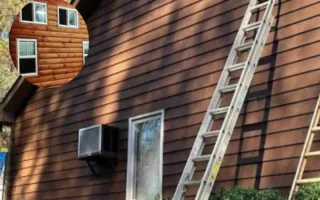

Damp is one of those home problems that starts small but can quickly grow into something expensive and stressful. At first, you may notice a musty smell, a patch of peeling paint, or a little mold in the corner of a room. Many homeowners ignore it because it seems minor. But damp rarely stays minor for long.
The good news is that damp can often be managed, treated, and prevented when you act early. The key is to understand what kind of damp you have, what is causing it, and how to fix the root problem, not just the visible damage. If you only cover up the stain, the moisture will keep spreading behind the scenes.
This matters for your health too. Damp conditions encourage mold growth, and mold can trigger allergies, breathing problems, and irritation for people in the home. Children, older adults, and anyone with asthma or weak lungs are often more severely affected.
What Is Damp in a House?
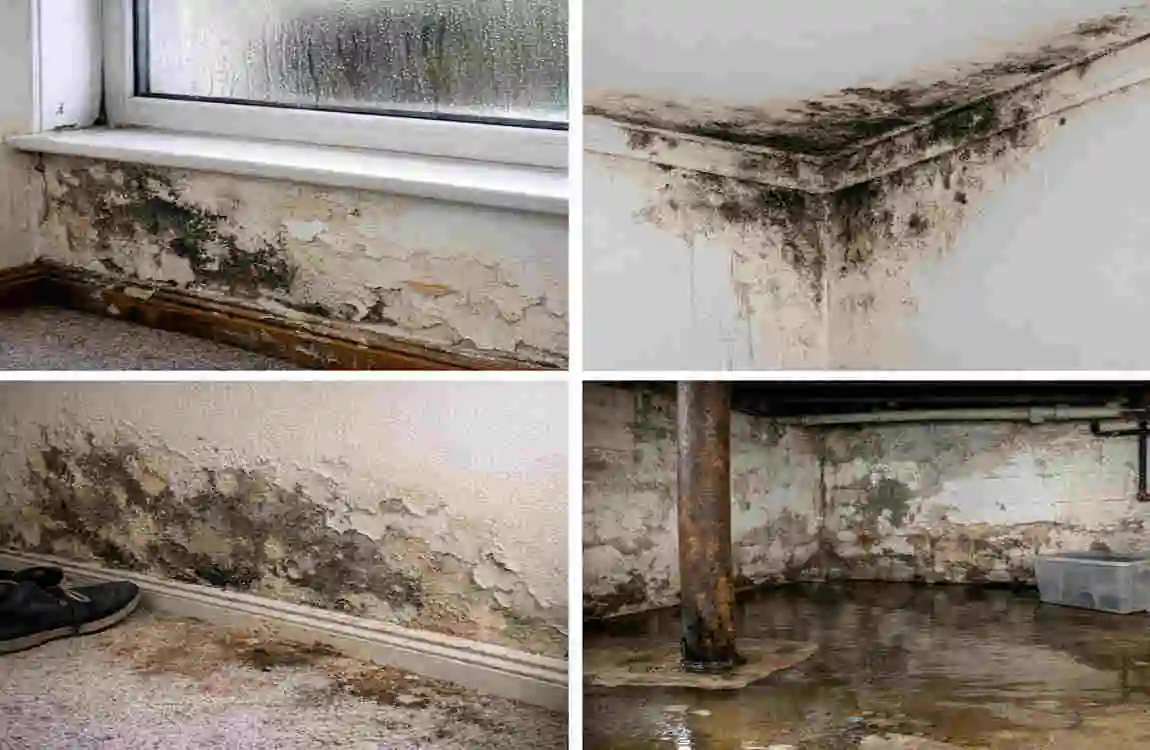
Damp is simply unwanted moisture inside your home. It can build up in walls, ceilings, floors, furniture, or hidden spaces behind plaster and cabinets. Sometimes the moisture comes from outside. Other times it comes from inside the home, such as cooking, showering, or drying clothes indoors.
Not all damp is the same. That is important because each type needs a different solution.
Rising Damp
Rising damp occurs when moisture from the ground rises through walls and masonry. This usually affects ground-floor walls and can leave tide marks, damaged plaster, and salt deposits. It often points to a problem with the damp-proof course or the wall structure itself.
Penetrating Damp
Penetrating damp occurs when water enters the home from outside. Broken roof tiles, cracked walls, damaged gutters, or leaking pipes may cause it. Unlike rising damp, this type can appear on any floor and often creates random damp patches that worsen during wet weather.
Condensation Damp
Condensation damp is one of the most common forms. It happens when warm, moist air hits a cold surface and turns into water droplets. You often see it on windows, bathroom walls, bedroom corners, and behind furniture. It can lead to black mold if the room stays damp for too long.
Visual Signs to Watch For
Damp often leaves clues before the damage becomes serious. Look for:
- Dark patches on walls or ceilings
- Peeling paint or wallpaper
- Mold growth in corners or around windows
- Soft, bubbling plaster
- A cold, clammy feeling on walls
- Salt stains or powdery residue
- Rotting skirting boards or damaged wood
If you notice one or more of these signs, do not wait. The sooner you identify the type of damp, the easier it is to treat.
Main Causes of Damp in Homes
To truly understand how to get rid of damp in house, you need to start with the cause. Damp is rarely random. It usually comes from one of a few common sources, and once you know where the moisture is coming from, you can choose the right fix.
Poor Ventilation
Poor airflow is one of the biggest causes of damp in modern homes. When moisture cannot escape, it settles on walls, ceilings, and windows. Kitchens, bathrooms, and laundry areas are especially at risk because they produce a lot of steam.
If windows stay closed all the time and fans are weak or missing, humidity builds up fast. Over time, this can create mold, condensation, and that familiar stale smell.
Leaking Pipes or Plumbing Issues
A hidden pipe leak can slowly soak into walls and floors without being noticed right away. Even a small drip under a sink or behind a wall can cause major damp damage over time. Leaks around radiators, washing machines, toilets, and bathroom fittings are also common.
The danger here is that the source may be hidden. You might only see the damp patch long after the leak began.
Roof Damage or Broken Tiles
A damaged roof can allow rainwater into the loft and upper floors. Missing tiles, cracked flashing, or worn sealants can all let water in. Once it enters, it may travel along beams or walls before showing up as a stain on a ceiling or wall.
This kind of damp usually gets worse during storms or heavy rain.
Blocked Gutters and Drainage Problems
Blocked gutters stop rainwater from flowing away from the property. Instead, the water spills down walls or gathers near the foundation. Poor drainage can also cause water to collect around the base of the home, increasing the risk of penetrating and rising damp.
This is one of the easiest causes to overlook, yet it can create serious problems over time.
High Indoor Humidity
Indoor humidity rises when you cook, shower, dry laundry indoors, or breathe in a poorly ventilated room. If your home traps this moisture, you may see condensation on cold surfaces and mold in hidden areas.
A home with too much indoor moisture often feels heavy, damp, and uncomfortable, especially in winter.
Structural Cracks in Walls
Cracks in walls, brickwork, or render can let water in from outside. Even small cracks may allow rain to enter during wet conditions. As the damage grows, the moisture can spread deeper into the home.
This is why routine maintenance matters. Small cracks are much cheaper to repair than the damage they can cause later.
Ground Moisture Rising Through Foundations
In some homes, moisture from the ground can rise through the foundation and into the walls. This usually happens when the damp-proof barrier has failed, is damaged, or was never installed correctly.
Understanding how to get rid of damp in house starts with identifying the cause. If you only remove the visible mold but ignore the leak, humidity, or wall damage, the damp will return.
Signs You Have a Damp Problem
Sometimes damp is obvious. Other times it hides in plain sight. If you know what to look for, you can catch it early and avoid more serious damage.
Musty Smell in Rooms
One of the first signs of damp is a stale, earthy, musty smell. You may notice it when you walk into a room, open a wardrobe, or move furniture away from a wall. That smell often means moisture is trapped somewhere nearby.
Dark Patches on Walls or Ceilings
Damp patches usually appear as gray, brown, or yellow stains. They may spread over time or change after heavy rain. If the patch feels soft or looks darker after wet weather, water may be getting in from outside.
Peeling Paint or Wallpaper
Moisture can weaken adhesive and cause wallpaper to lift or bubble. Paint may also crack, blister, or flake off. This is often a strong clue that the wall underneath is damp.
Mold Growth
Mold may appear black, green, white, or even orange depending on the surface and moisture level. It often grows in corners, on windowsills, behind furniture, or around bathroom ceilings. Mold is not just ugly; it can affect health and signal a bigger moisture issue.
Cold, Clammy Walls
If a wall feels unusually cold and damp to the touch, it may be holding moisture. This is common in poorly insulated rooms or walls affected by condensation or penetrating damp.
Allergy Symptoms in Occupants
Sometimes the house gives away the problem through the people living in it. If someone in the home starts coughing more often, sneezing, or feeling irritated indoors, mold and damp may be part of the cause.
Health Risks of Damp and Mold Exposure
Damp is not only a property problem. It can also become a health problem, especially when mold starts to grow. The longer the damp remains untreated, the greater the risk for everyone in the home.
Respiratory Problems
Damp and mold can make breathing harder, especially for people with asthma, bronchitis, or other lung issues. Mold spores may trigger coughing, wheezing, tight chests, and shortness of breath. Even people without existing conditions can feel worse in a damp home.
Skin Irritation and Allergies
Some people develop itchy skin, red eyes, sneezing, or blocked noses when exposed to moldy air. These reactions can be mild at first, then become more noticeable over time.
Children and Elderly Occupants
Children and older adults are often more vulnerable because their immune systems may be weaker. A damp room can affect sleep, comfort, and long-term health. If a child is constantly coughing or a senior feels unwell indoors, the home environment should be checked carefully.
Long-Term Exposure Risks
Living with damp for a long time may worsen existing health issues and increase the chance of recurring respiratory symptoms. Mold spores can also spread through the home and settle into carpets, curtains, and furniture, making the problem harder to control.
Why Immediate Action Matters
The earlier you act, the better. Removing damp quickly helps protect both your home’s structure and the health of the people inside. That is why waiting is a bad idea. Damp rarely fixes itself, and the damage usually becomes more expensive with time.
How to Get Rid of Damp in House: Step-by-Step Solutions
Now we come to the most important part: the practical steps. If you want real results, you need to treat the source of moisture, clean up the damage, and reduce the conditions that let damp return.
Improve Ventilation
Fresh air is one of your best defenses against damp. Good ventilation helps move moisture out of the home before it settles on walls and surfaces.
Open windows regularly, even if only for short periods, especially after cooking, showering, or drying clothes. In rooms that create a lot of steam, such as bathrooms and kitchens, extractor fans are very useful. If your home has air bricks or vents, make sure they are not blocked.
Poor ventilation is a major cause of condensation, so improving airflow is often one of the first and most effective steps.
Fix Leaks Immediately
If water is coming in from a leak, the problem will keep growing until the leak is repaired. Check pipes under sinks, around toilets, behind washing machines, and near radiators. Look for wet spots, dripping sounds, or signs of water damage.
Roof leaks and gutter issues also need quick attention. Replace broken tiles, repair damaged flashing, and clear blocked gutters so rainwater can drain away properly. If you see cracks in exterior walls, seal them before more water enters.
A small repair today can prevent a much larger repair later.
Reduce Indoor Humidity
Controlling humidity is a big part of home moisture control. If your rooms stay too humid, condensation and mold will keep coming back.
A dehumidifier can help pull moisture from the air, especially in problem rooms like basements, bathrooms, or laundry spaces. Try not to dry clothes indoors unless you have strong ventilation or a vented dryer. Also, keep your home at a consistent, comfortable temperature, because cold rooms tend to collect moisture more easily.
If you live in a very damp climate or have a home that naturally stays cool, this step becomes even more important.
Treat Existing Mold
Once mold has formed, you need to remove it safely. For small areas, mold removal sprays can help. Some homeowners also use natural options such as vinegar or baking soda to treat light surface mold.
However, if the mold covers a large area, keeps returning, or is hidden behind furniture or plaster, it may be better to call a professional. Scrubbing the visible spot is not enough if the wall beneath is still wet. Mold cleanup should always go hand in hand with moisture control.
Waterproofing and Damp Proofing
In some homes, especially older properties or basements, you may need stronger damp-proofing measures. A damp-proof course can help stop rising moisture from traveling up the walls. Exterior wall sealants may reduce rain penetration. Basement waterproofing systems can help protect rooms below ground level from ongoing water entry.
This is where the problem becomes more structural. If your home has repeated damp issues, professional damp proofing may be the long-term answer.
Put It All Together
Effective methods for eliminating damp in a house include ventilation, repairs, and moisture control. That is the main formula. You should not rely on a single fix. Instead, combine several actions:
- Improve airflow
- Repair leaks
- Control humidity
- Remove mold safely
- Seal the building where needed
When these steps work together, damp is much less likely to return.
Preventing Damp from Returning
Once you remove damp, the next goal is to keep it away. Prevention is always easier and cheaper than repeated repairs.
Regular Home Inspections
Check your home every few months for signs of moisture, especially in bathrooms, kitchens, lofts, basements, and around windows. Look at walls after heavy rain and inspect hidden areas behind furniture or appliances.
Gutter and Roof Maintenance Schedule
Clean gutters regularly and ensure water flows away from the property. Replace broken roof tiles and check seals around roof edges before winter and after storms.
Keep Indoor Humidity Below 50%
If possible, use a hygrometer to measure indoor humidity. A level below 50% is usually a good target for reducing the risk of condensation and mold.
Use Moisture Absorbers in Problem Areas
Small moisture absorbers can help in wardrobes, closets, and storage areas where air does not circulate well. They are not a complete solution, but they can support your larger damp-control plan.
Improve Insulation
Well-insulated walls and windows stay warmer, which makes condensation less likely. Good insulation also helps your home hold heat more evenly, reducing cold spots where moisture can gather.
Simple Prevention Habits
Here are a few habits that can make a real difference:
- Wipe away condensation from windows
- Keep bathroom doors closed during showers
- Use extractor fans every time you cook or bathe
- Move furniture slightly away from exterior walls
- Open windows for short periods each day
Small habits add up. If you stay consistent, your home will be far less likely to develop damp again.
DIY vs Professional Damp Treatment
Some damp problems are simple enough to handle yourself. Others need expert diagnosis and treatment. Knowing the difference can save you time, stress, and money.
When DIY Methods Are Enough
DIY treatment can work well if you are dealing with light condensation, minor surface mold, or a small leak that you can clearly identify and repair. You may also be able to improve ventilation, use a dehumidifier, or treat small mold spots yourself.
When to Call Professionals
You should contact a professional if:
- Damp keeps returning after treatment
- You suspect rising damp
- The mold covers a large area
- There is major wall damage
- You cannot find the moisture source
- The problem affects multiple rooms
Cost and Effectiveness Comparison
Here is a simple comparison to help you decide:
SituationDIY ApproachProfessional HelpBest Choice
Small condensation on windows Wipe moisture, improve ventilation Usually not needed DIY
Minor surface mold Mold spray or natural cleaner Optional DIY
Hidden pipe leak Temporary observation Leak detection and repair Professional
Rising damp Limited DIY fixes Damp proofing treatment Professional
Roof leak or wall crack Basic sealing may help briefly Full repair and inspection Professional
Severe damp across multiple rooms Not recommended Full diagnosis and treatment Professional
Long-Term Value
DIY can be cheaper upfront, but it may not solve the root issue. Professional treatment usually costs more . Still, itupfront can protect your home’s structure and prevent recurring damage. If you are unsure, it is safer to get an expert opinion.
Risk of Ignoring Severe Damp
Severe damp can damage plaster, timber, insulation, and even electrical systems. The longer you wait, the more expensive the repair can become. In serious cases, ignoring damp may also put your family’s health at risk.
Best Materials and Tools to Combat Damp
The right tools can make damp control easier and more effective. You do not need every product on the market. You just need the ones that fit your home’s problem.
Useful Tools and Products
- Dehumidifiers to pull moisture from the air
- Anti-mold paints to protect cleaned surfaces
- Waterproof sealants for small cracks and exterior protection
- Moisture meters to check damp levels in walls and floors
- Ventilation systems to improve airflow in key rooms
A moisture meter is especially helpful because it takes guesswork out of the process. Instead of relying only on sight or smell, you can measure whether a wall is still holding too much moisture.
Common Mistakes People Make When Treating Damp
Many damp problems last longer than they should because homeowners make a few common mistakes. Avoiding these can save you a lot of trouble.
Painting Over Damp Walls
This is one of the biggest mistakes. Paint may hide the stain for a while, but it does not stop the moisture. The dampness will usually return, and the paint may peel even faster.
Ignoring Ventilation
If you treat mold but leave the room sealed and humid, the problem will return. Ventilation is not optional. It is a key part of the solution.
Delaying Repairs
A small leak, crack, or gutter issue may seem harmless at first. But water damage grows slowly and silently. Delaying repair almost always makes the final bill larger.
Using Temporary Fixes Only
Temporary fixes can be useful in an emergency, but they should never be the full answer. You need to identify the root cause and address it properly to achieve lasting results.
Expert Tips for a Damp-Free Home
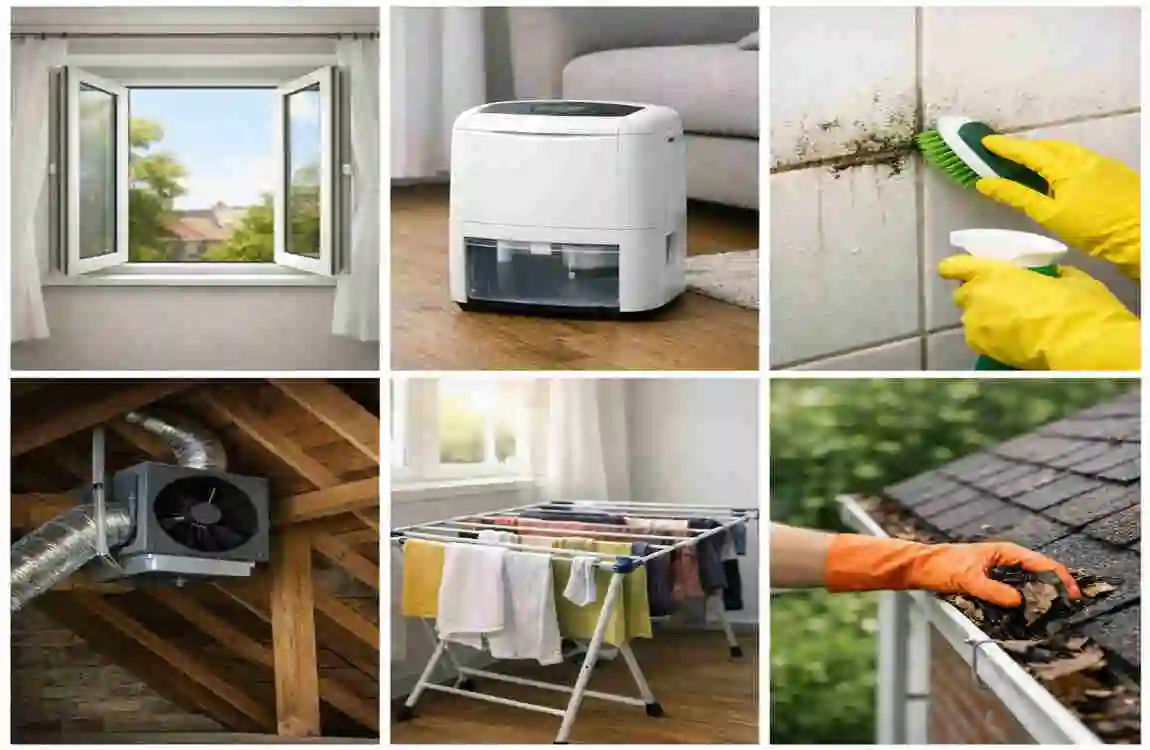
A few smart habits can help keep your house dry and healthy throughout the year.
Keep Furniture Away from Walls
Leave a small gap between furniture and exterior walls so air can circulate freely. This helps prevent cold, damp air from getting trapped behind sofas, wardrobes, and beds.
Let Natural Sunlight In
Sunlight helps dry out rooms and reduces the chance of mold growth. Open curtains and blinds during the day when possible, especially in rooms that feel dark or damp.
Build Regular Air Circulation Habits
Even in winter, short bursts of fresh air can help. Try to air out rooms daily, especially after showering or cooking. A few minutes can make a real difference.
Do Seasonal Checks
Inspect your home before winter and after wet seasons. Check roofs, gutters, walls, vents, and window seals. Seasonal maintenance is one of the easiest ways to prevent surprise damp problems.
FAQs – How to Get Rid of Damp in House
What is the fastest way to remove damp?
The fastest short-term action is to improve ventilation and remove surface moisture. Open windows, use fans, and run a dehumidifier if you have one. But the fastest real solution depends on the cause. If there is a leak, a roof problem, or rising damp, you must fix the source to properly stop the moisture.
Can damp go away on its own?
Usually, no. Damp normally gets worse over time because the source of moisture keeps feeding the problem. In some cases, a room may dry out temporarily in warm weather. Still, the issue will often return unless you address the cause.
Is damp dangerous to health?
Yes, it can be. Damp can lead to mold growth, and mold may trigger coughing, wheezing, allergies, skin irritation, and breathing issues. Children, older adults, and people with asthma are often more sensitive to it.
How much does damp treatment cost?
The cost varies a lot. Small DIY fixes may be inexpensive, while professional repairs can range from a few hundred to several thousand pounds depending on the damage, the type of damp, and the size of the area. Rising damp solutions, structural repairs, and basement waterproofing usually cost more than simple mold cleaning.
Can I paint over damp walls?
It is not recommended. Painting over damp walls only hides the problem for a short time. The moisture will usually break through again, and the paint may bubble, crack, or peel. Always dry and treat the wall first.
| Problem Area | Effective Solution | How It Works | Extra Tips |
|---|---|---|---|
| Condensation on windows & walls | Improve ventilation | Lets moist air escape and reduces humidity | Open windows daily, use extractor fans in kitchens/bathrooms |
| Mold on walls/ceilings | Use anti-mold cleaner | Removes spores and prevents spread | Dry the area completely after cleaning |
| Musty smell in rooms | Dehumidifier use | Extracts excess moisture from air | Empty tank regularly and run daily in humid seasons |
| Rising damp from floors/walls | Damp-proof course (DPC) treatment | Blocks moisture rising from ground | Requires professional inspection if severe |
| Water leaks (roof/plumbing) | Repair leaks immediately | Stops water entry at source | Check roof tiles, pipes, and gutters regularly |
| High indoor humidity | Use moisture absorbers (silica gel, salt, charcoal) | Absorbs excess moisture in small spaces | Place in wardrobes, cupboards, and corners |
| Poor air circulation | Rearrange furniture & increase airflow | Prevents trapped moisture buildup | Keep furniture slightly away from walls |